Back massager
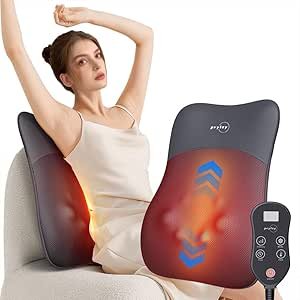
Back Massager — Relief, Relaxation & Recovery for Everyday Comfort
A back massager is a device designed to relieve tension, loosen tight muscles, reduce pain, and improve circulation in the back area — from the upper shoulders down through the lower back. As back stiffness and discomfort have become common due to prolonged sitting, poor posture, workouts, or stress, a back massager provides a personal, easy‑to‑use solution that fits into daily routines at home, in the office, or even while traveling.
This guide covers what a back massager is, how it works, the main types available, key features to look for, benefits, everyday use tips, and how to choose the right one.
What Is a Back Massager?
A back massager is a device — manual, electric, or vibration‑based — that applies pressure, vibration, heat, or kneading motions to muscles along the back. Its purpose is to:
- Reduce muscle tension and stiffness
- Improve blood flow and circulation
- Alleviate lower back pain or shoulder discomfort
- Support relaxation and stress relief
- Complement physical therapy or exercise recovery
Back massagers range from handheld units and massage cushions to electric shiatsu devices and full‑body massage chairs.
How a Back Massager Works
Back massagers use one or more techniques to stimulate soft tissues:
- Vibration: Rapid shaking motion that loosens muscles gently
- Shiatsu/Kneading Nodes: Rotating or pressure‑point action to imitate hands
- Percussion/Tapping: Rapid short blows to improve circulation and reduce soreness
- Heat Therapy: Light warmth to relax muscle fibers and increase blood flow
- Manual Pressure: User‑controlled handheld devices allow focused targeting
Combined or single action depends on the model you choose.
Common Types of Back Massagers
| Type | Description | Best For |
|---|---|---|
| Handheld Massager | Compact, user‑controlled tool | Targeted relief, versatile |
| Massage Cushion / Pad | Sits on chair or car seat | Anywhere you sit |
| Shiatsu Massager | Rotating nodes mimic hands | Deep muscle tension |
| Percussion Gun / Theragun‑style | Rapid taps for muscle recovery | Sports soreness |
| Massage Chair | Full back (and body) coverage | Maximum comfort and relaxation |
Key Features to Consider
Choosing the right massager involves comparing key features:
Intensity & Speed Levels
Adjustable settings let you tailor pressure from gentle to deep tissue.
Heat Function
Soothing warmth enhances muscle relaxation and circulation.
Coverage Area
Some models focus on upper or lower back, while others cover the entire back or extend to shoulders and hips.
Portability
Handheld and cushion models are easy to carry; chairs are stationary.
Power Source
- Electric/AC powered: Consistent performance at home
- Battery/Rechargeable: Portable for travel and cars
- Corded: No battery concerns, continuous power
Ergonomics & Ease of Use
Handles, straps, or contoured designs help you reach hard‑to‑access spots without strain.
Benefits of Using a Back Massager
| Benefit | Explanation |
|---|---|
| Relieves Muscle Tension | Reduces stiffness from sitting, workouts, or stress |
| Improves Circulation | Warmth and motion increase blood flow |
| Reduces Pain & Discomfort | Supports recovery from minor muscle aches |
| Promotes Relaxation | Helps unwind after long days |
| Supports Posture & Flexibility | Regular use can ease tight areas that contribute to poor posture |
| Enhances Sleep Quality | Relaxed back muscles often improve rest |
Everyday Scenarios Where It Helps
After Work Unwinding
Use a lighting mode or heat function to relieve desk‑related tension.
Post‑Workout Recovery
Deep kneading or percussion can ease sore muscles after exercise.
Travel Comfort
Portable cushions or handheld units make long journeys less stressful on the back.
Morning Start
Gentle vibration or warmth helps wake up stiff muscles.
Weekend Relaxation
A longer session improves circulation and overall comfort.
How to Use a Back Massager Safely
- Read the Manual
Understand settings, contraindications, and proper use. - Start Gentle
Especially if you’re new to massaging or have sensitive areas. - Focus on Muscles, Avoid Bones
Move the device around muscles and soft tissue; avoid pressing hard on the spine itself. - Don’t Overuse
Sessions of 10–20 minutes per area are usually sufficient. - Stay Hydrated
Drinking water after a session supports tissue recovery. - Consult a Professional if Needed
If you have injuries, chronic pain, or medical conditions, talk to a healthcare professional before regular use.
Who Can Benefit Most
- Office workers with long sitting hours
- Athletes and regular gym users
- People with mild back stiffness or discomfort
- Individuals seeking relaxation after stressful days
- Travelers with long car or plane journeys
- Older adults with general muscle tightness
Quick Feature Comparison
| Feature | Best For |
|---|---|
| Heat + Kneading | Deep relaxation and stiffness release |
| High Intensity/Percussion | Muscle recovery and soreness |
| Light Vibration | Gentle relaxation, everyday use |
| Handheld Control | Targeted pain points |
| Cushion / Chair | Overall back comfort, multi‑area coverage |
Maintenance & Longevity Tips
- Wipe down surfaces after each use
- Store in a cool, dry place
- Check cords and batteries regularly
- Replace pads/attachments as recommended
Routine care extends the life of your device and keeps it hygienic.
Common Questions
Does a back massager replace a professional massage?
It helps relieve everyday tension and soreness, but it does not replace medical or therapeutic treatment for serious issues.
Can it help chronic back pain?
It can provide temporary relief and support muscle relaxation, but consult a doctor if pain persists.
Is heat necessary?
Heat adds comfort and loosens tissue, but non‑heat models still provide effective muscle stimulation.
Final Summary
A back massager is a versatile, user‑friendly tool that enhances comfort, reduces muscle tension, supports recovery, and promotes relaxation. With a variety of types — from handheld devices and cushions to deep‑tissue shiatsu units — there’s an option for almost every back‑related need. When used safely and consistently, a back massager becomes a valuable part of self‑care and everyday comfort routines, improving your physical ease and overall well‑being.
*Disclosure: As an Amazon Associate, this content may earn a commission from qualifying purchases at no additional cost to you.*