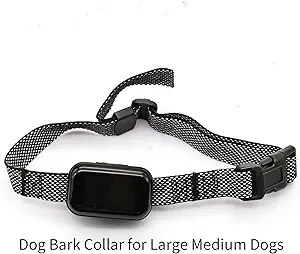
Bark Collar with Strap — Complete Guide to Understanding, Choosing, and Using One
A bark collar with strap is a training tool designed to help manage and reduce excessive barking in dogs. It typically consists of a small device that fits around the dog’s neck on a strap and delivers a harmless but attention‑grabbing stimulus when the dog barks. These collars are widely used by owners to support training, deter nuisance barking, and promote calmer behavior when used responsibly and humanely.
This comprehensive guide explains what bark collars are, how they work, features to consider, safety guidelines, and tips for effective use.
What Is a Bark Collar with Strap?
A bark collar with strap is a device worn around a dog’s neck that detects barking through sound, vibration, or both. When the dog barks, the collar delivers a corrective signal — such as a vibration, sound, or mild static pulse — intended to interrupt the barking behavior so you can reinforce quieter alternatives.
The strap holds the collar securely in place and is adjustable to fit various neck sizes. Unlike training collars without straps (like handheld tools), strap‑on bark collars stay on the dog and work passively throughout the day.
How Bark Collars Work
Bark collars use one or more of these detection and correction methods:
Sound Detection
A built‑in microphone senses barking. When the dog barks, the collar responds automatically. Sound sensors can pick up the dog’s bark even when the dog’s head isn’t pressed against a contact sensor.
Vibration Detection
Some collars use a vibration sensor that detects throat movement when the dog barks. This helps reduce “false triggers” from other dogs barking nearby.
Corrections Delivered
When the collar detects barking, it typically responds with:
- Vibration: A gentle vibration to interrupt behavior
- Audible tone: A beep or sound the dog associates with correction
- Static pulse (Low level): A mild static sensation that many dogs perceive as an interrupt, not pain
Modern collars often start with mild stimuli and escalate only if barking continues, allowing the dog to learn with the least intrusive correction necessary.
Key Features to Consider
Adjustable Strap and Fit
Make sure the strap is adjustable and sized correctly for your dog’s neck. A proper fit ensures accurate bark detection and comfort.
Detection Method
- Sound + vibration combo: More reliable bark detection with fewer false activations
- Sound only: Good for quieter environments
- Vibration only: Helpful if your dog’s bark is difficult to detect via microphone
Correction Levels
Look for collars with multiple intensity levels so you can choose the appropriate stimulus strength based on your dog’s size and sensitivity.
Rechargeable Battery
Wireless rechargeable collars (via USB) are more convenient than replaceable batteries and typically reduce waste.
Range and Visibility
Some collars include LED indicators or safety lights for better visibility at night.
Water Resistance
If your dog spends time outdoors or near water, a water‑resistant model prevents damage from rain or splashing.
Auto‑Adjusting Sensitivity
Advanced collars adjust their sensitivity to reduce false triggers from other dogs or environmental noise.
Choosing the Right Bark Collar
By Dog Size
- Small dogs: Choose lighter collars with gentle correction levels
- Medium dogs: Balanced features with adjustable intensity
- Large dogs: Stronger detectors and higher correction levels
By Barking Behavior
- Occasional nuisance barking: Basic vibration or sound collar may suffice
- Persistent barking: Combo detection with adjustable static levels can be more effective
By Activity Level
For active or outdoor dogs, choose water‑resistant, durable collars with a secure strap and comfortable padding to prevent chafing.
How to Use a Bark Collar Safely
1. Proper Fitting
Place the collar snugly but not too tight — you should be able to slip two fingers under the strap comfortably. The contact sensors should rest against the dog’s skin.
2. Introduce Gradually
Allow your dog to wear the collar without correction at first so they get familiar with it. Pair it with praise and positive reinforcement when quiet.
3. Reinforce Quiet Behavior
Use treats and praise immediately when the dog is calm or quiet after a bark. This helps the dog understand that quiet behavior earns rewards.
4. Monitor and Adjust
Start with lower correction levels and increase only if necessary. Avoid overly high intensity. The goal is to interrupt barking, not cause fear or distress.
5. Limit Duration
Bark collars are a training aid, not a permanent restraint. Once your dog learns better habits, remove the collar during calm periods.
Safety and Welfare Considerations
- Use humane correction levels: The goal is awareness, not pain.
- Consult a trainer: Bark collars work best when combined with positive reinforcement training and guidance from a qualified trainer or behaviorist, especially for chronic barking issues.
- Avoid over‑dependence: Bark collars should support training, not replace it.
- Watch for irritation: Check your dog’s neck regularly for any signs of skin irritation or rubbing.
Everyday Scenarios When a Bark Collar Helps
At Home
Diminishing unwanted barking caused by boredom, doorbells, or household noises.
Apartment Living
Reducing persistent barking that may disturb neighbors.
Yard or Outdoor Use
Discouraging nuisance barking triggered by passing people, cars, or animals.
Training Support
Used alongside obedience training to shape calm responses to triggers.
Alternatives and Complements to Bark Collars
Bark collars work best as part of a comprehensive training plan. Consider combining them with:
- Positive reinforcement training
- Daily exercise and mental stimulation
- Environmental management (blocking visual triggers)
- Professional behavior consultation
Addressing the underlying causes of excessive barking — such as anxiety, boredom, or lack of exercise — is often essential for lasting improvement.
Final Thoughts
A bark collar with strap can be an effective training aid for managing excessive barking when used responsibly, fitted properly, and paired with positive training practices. Choosing the right detection method, appropriate correction levels, and a comfortable, adjustable strap helps ensure both effectiveness and your dog’s welfare.
If you’d like help selecting the best bark collar for your dog’s size and behavior, just tell me your dog’s age, weight, and what kind of barking issue you’re trying to address. I can guide you to suitable features and training tips.