Bodycam mini camera
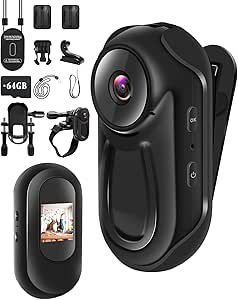
Bodycam Mini Camera – Complete Buying Guide & Review
Mini body cameras are compact wearable recording devices used for capturing video and audio hands-free. Whether for personal safety, sports activities, security monitoring, law enforcement, cycling, or vlogging, a Bodycam Mini Camera offers freedom, convenience, and reliable documentation. These devices are lightweight, easy to mount on clothing or gear, and often packed with useful features like wide-angle lenses, night vision, and loop recording.
This detailed affiliate blog covers what a bodycam mini camera is, how it works, key features to consider, types available, use cases, setup tips, and comparison tables to help you choose the right one for your needs.
What Is a Bodycam Mini Camera?
A Bodycam Mini Camera is a compact wearable video recorder designed to be attached to clothing, helmets, bags, belts, or gear. It captures continuous video and audio while allowing the user to remain hands-free. These cameras are often smaller than action cameras yet rugged and capable of recording high-quality footage in various conditions.
Bodycam mini cameras are used in many scenarios including:
- Personal safety and self-defense
- Outdoor sports (hiking, cycling, skiing)
- Security and private investigation
- Law enforcement documentation
- Vlogging on the go
- Pet or vehicle monitoring
How Bodycam Mini Cameras Work
Mini bodycams typically contain the following components:
- Camera Lens: Wide-angle or adjustable lens for broader field of view
- Image Sensor: Captures light and color for video imaging
- Memory Storage: Built-in storage or microSD card slot for video files
- Battery: Rechargeable battery with varying capacity that determines recording time
- Controls: Buttons or touchscreen for start, stop, mode selection, and settings
- Connectivity: USB, Wi-Fi, Bluetooth, or app support for file transfer
Once powered on and mounted, the camera begins recording to the internal memory or connected media card. Many models offer loop recording, time stamps, and automatic continuous capture when powered.
Key Features to Consider
| Feature | Why It Matters |
|---|---|
| Video Resolution | Determines clarity of footage (1080p, 2K, 4K) |
| Battery Life | Dictates how long you can record per charge |
| Storage Type & Capacity | Affects how much video you can save |
| Mounting Options | Clips, magnets, straps — ease of use |
| Field of View | Wider angles capture more surroundings |
| Night Vision / Low-Light Performance | Useful for dark environments |
| Water Resistance | Protects camera in rain/sweat |
| Connectivity | USB, Wi-Fi, app support makes file transfer easier |
| Audio Quality | Important for dialogue and environment sound |
Video Resolution Explained
Video clarity impacts how much detail you capture:
| Resolution | Typical Use |
|---|---|
| 720p HD | Basic quality, smaller files |
| 1080p Full HD | Standard quality for everyday recording |
| 2K / QHD | Sharper detail and better clarity |
| 4K UHD | Highest detail, best for professional results |
For bodycams, 1080p is usually a solid balance of quality, storage space, and performance.
Battery Life and Recording Time
Battery life varies by model. A typical mini bodycam can record between 1.5 to 8 hours per charge. Some models support:
- Swappable batteries
- External power banks
- Auto-off/auto-resume
- Motion activated recording
For long events or security use, choose models with longer battery life or support for power accessories.
Storage & Memory Options
Most bodycam mini cameras use:
- MicroSD cards (typical range from 16–256 GB)
- Built-in memory (limited, fixed capacity)
Ensure the camera supports higher-capacity cards (128 GB or 256 GB) for extended recording without frequent file management.
Mounting and Wearability
Bodycams may include or support:
- Clothing clips
- Magnetic mounts
- Helmet/gear straps
- Lanyards or chest mounts
Mounting flexibility lets you record from the best angle while staying hands-free.
Connectivity & App Support
Connectivity options can make file transfer and control easier:
| Connectivity | Typical Benefits |
|---|---|
| USB Cable | Direct file transfer to computer |
| Wi-Fi | Wireless file sharing and live preview |
| Bluetooth | Quick pairing and control via app |
| Mobile App | Remote view, settings, live streaming |
App support adds convenience for reviewing footage and adjusting settings without connecting to a computer.
Pros and Cons
| Pros | Cons |
|---|---|
| Hands-free recording | Battery lasts only a few hours on some models |
| Lightweight and portable | Smaller size can mean limited mic quality |
| Multiple mounting options | Storage fills quickly without compression |
| Useful for many scenarios | Some features cost extra |
Common Use Cases
Personal Safety: Wear it in daily life to capture unexpected events.
Sports & Adventure: Record action footage while biking, running, or hiking.
Security Recording: Monitor surroundings during night patrols or home protection.
Vlogging: Capture first-person perspective without a tripod or handle.
Work Documentation: Useful for delivery drivers, technicians, and field workers.
Price & Value Comparison
| Price Range | Typical Features | Best For |
|---|---|---|
| Budget | Basic recording, standard battery | Casual users |
| Mid-Range | Better resolution, longer battery | Everyday active users |
| Premium | Advanced features, app support | Professionals & serious users |
Choose based on how much recording quality, battery duration, and features matter for your intended use.
Comparison Table: Bodycam Features
| Feature | Importance |
|---|---|
| Video Resolution | Clarity of captured footage |
| Battery Life | Length of continuous recording |
| Storage Capacity | Amount of video saved without deleting |
| Mount Options | Ease of placement and use |
| Connectivity | Convenience of file transfer & control |
How to Choose the Right Bodycam Mini Camera
To select the best mini body camera:
- Define Your Main Use: Safety, sports, work, or security.
- Prioritize Resolution: 1080p is the practical sweet spot for most.
- Check Battery Life: Longer duration if you plan extended use.
- Review Storage Options: Support for larger memory cards.
- Assess Mounting Compatibility: Clips, magnets, or straps you prefer.
- Consider Connectivity: Wi-Fi and app support simplify usage.
Balancing these features ensures your bodycam matches both your recording needs and budget.
Disclaimer
This article contains general informational content about bodycam mini cameras and does not constitute professional advice. As an Amazon Associate, we may earn from qualifying purchases made through affiliate links included in this blog. Product prices, availability, and features may change without prior notice. Always review product details on the official Amazon product page before purchasing.