Charger Cable Type 2 to UK 3 Pin Plug
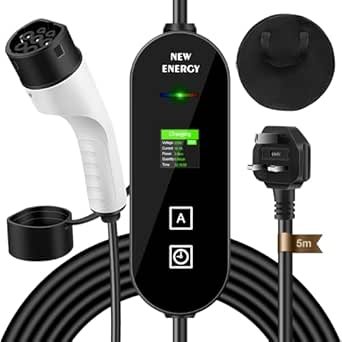
Charger Cable Type 2 to UK 3 Pin Plug: Portable EV Charging Made Simple
A Charger Cable Type 2 to UK 3 Pin Plug is a convenient charging lead that lets you power an electric vehicle (EV) using a standard UK 3‑pin socket (13 A domestic plug) and a Type 2 EV inlet — the common charging socket on most modern EVs and plug‑in hybrids across the UK and Europe.
Unlike dedicated EVSE (Electric Vehicle Supply Equipment) wallboxes or dedicated public chargers, this cable enables slow, portable charging wherever a regular household socket is available. It’s ideal for occasional charging, overnight top‑ups, travel, or as a backup charging option.
What Is a Type 2 to UK 3 Pin Charger Cable?
In the UK and Europe, the Type 2 connector (also called Mennekes) is the standard for EV charging — used on public chargers, home wallboxes, and vehicles. A Type 2 to UK 3 pin plug cable adapts this connector to a domestic socket, allowing the EV to draw power directly from a regular plug socket through a portable charging cable.
These cables typically include an in‑cable control box (EVSE controller) that manages safety functions such as current limiting, ground fault detection, and locking, so the cable can safely communicate with the vehicle and the mains supply.
Why Use a Charger Cable Type 2 to UK 3 Pin Plug?
Not everyone needs a dedicated home wallbox. A portable Type 2 to UK 3 pin cable is useful when:
- You rent or cannot install a permanent home charger
- You need a backup option when wallbox or public chargers aren’t available
- You’re travelling or staying away from home but only have access to a regular plug
- You want a cost‑effective, simple charging solution for overnight top‑ups
However, it’s important to understand that this setup typically delivers slower charging speeds (due to socket and cable current limitations) compared with dedicated EV chargers.
How It Works
- Connect the UK 3 Pin Plug
Plug the charger cable into a standard UK 13 A socket. - Start the Cable’s EVSE Logic
The in‑line controller confirms the supply is safe and negotiates with the car. - Plug the Type 2 Connector into Your EV
Insert the Type 2 end into your vehicle’s charging inlet. - Charging Begins
The controller manages current draw (often limited to 8–10 A from a standard socket), and the EV begins charging.
This portable charger must meet BS 1363 safety standards for UK mains plugs and IEC 61851 standards for electric vehicle charging circuits.
Typical Charging Performance
| Charging Source | Typical Max Current | Typical Power | Estimated Charge Rate (EV) | Notes |
|---|---|---|---|---|
| UK 3 Pin Socket (13 A) | ~8–10 A* | ~1.8–2.3 kW | ~5–10 15 miles / hour | Slower than dedicated home wallbox; safe for overnight top‑ups |
| Dedicated 3‑Phase Type 2 Wallbox | 16–32 A | 7 kW–22 kW | ~20–60 miles / hour | Faster daily charging solution |
| Public Fast Charger (Type 2, AC) | Up to 43 kW | 43 kW | ~150+ miles / hour | Ideal for quick top‑ups on the go |
*Actual current may be limited by cable rating and EVSE controller defaults.
Key Features to Consider
Cable Rating & Current Limit
Ensure the cable is rated for at least 10 A at 230 V and that the in‑cable controller sets a safe current limit for UK socket use.
Safety Standards
Look for compliance with:
- BS 1363 (UK mains plug safety)
- IEC 62196‑2 (Type 2 connector standard)
- IEC 61851 (EV charging safety)
Protection Features
- Earth leakage detection (RCD/RCCB or equivalent)
- Overcurrent and short‑circuit protection
- Temperature monitoring
Length & Flexibility
Longer cables (5–8 m) give more flexibility in parking positions and socket access.
Portability
Lightweight design with a carry bag or coil makes it easy to take with you.
Pros & Cons
| Advantages | Considerations |
|---|---|
| Portable & Flexible: Works at any 230 V socket | Slow Charging: Limited by socket current |
| No Installation Required: Great for renters | Socket Load: Avoid using with long extension leads |
| Cost‑Effective: Cheaper than wallbox | Overnight Use Best: Not ideal for rapid daily charging |
| Backup Option: Useful when public chargers are unavailable | Depends on Mains Quality: Old or poor sockets may not be reliable |
Safety Tips for UK 3 Pin Charging
- Use a Dedicated Socket: Avoid extension leads; plug directly into a wall outlet.
- Check Socket Condition: No loose parts, discoloration, or overheating marks.
- Don’t Exceed Current Limits: The controller will cap charging current — respect this.
- Dry & Well‑Ventilated Area: Prevent overheating and moisture issues.
- Inspect Cable and Plug: No cracks, frayed wires, or loose contacts.
Installation & Setup (Quick Guide)
- Uncoil and Inspect: Ensure there are no visible damages.
- Plug into Mains: Insert the UK 3 pin plug into the socket.
- Connect to EV: Insert the Type 2 end into your EV’s charging inlet until it clicks.
- Monitor First Charge: Check for warmth at the plug and cable; slight warmth is normal.
- End Charging: Use the car’s interface or EV app to stop charging, then unplug.
Everyday Use Cases
At Home Overnight Charging
Leave the EV plugged in while you sleep for a gradual top‑up.
Office Parking
If a socket is available near your parking spot, charge during working hours.
Travel & Stayovers
Bring the cable when you visit friends or stay in a B&B with accessible sockets.
Emergency Backup
If your primary charger is unavailable, a portable cable keeps you moving.
Who Should Use This Cable?
- EV owners without a home charging wallbox
- Renters or flat dwellers with limited installation options
- Occasional drivers who need infrequent charging
- Travellers who want a backup charging method
For daily high‑mileage charging, a dedicated home wallbox (7 kW+) or regular use of public AC/DC chargers is generally recommended.
Final Thoughts
A Charger Cable Type 2 to UK 3 Pin Plug offers unmatched convenience and portability for EV owners who need a flexible charging option without installation. While it delivers slower power compared with fixed wallboxes, it’s perfect for overnight top‑ups, travel, or occasional use. By choosing a cable rated for safety standards, paying attention to current limits, and using proper sockets, you can confidently add this cable to your EV gear and enjoy stress‑free charging anywhere a UK 3‑pin socket is available.
*Disclosure: As an Amazon Associate, this content may earn a commission from qualifying purchases at no additional cost to you.*