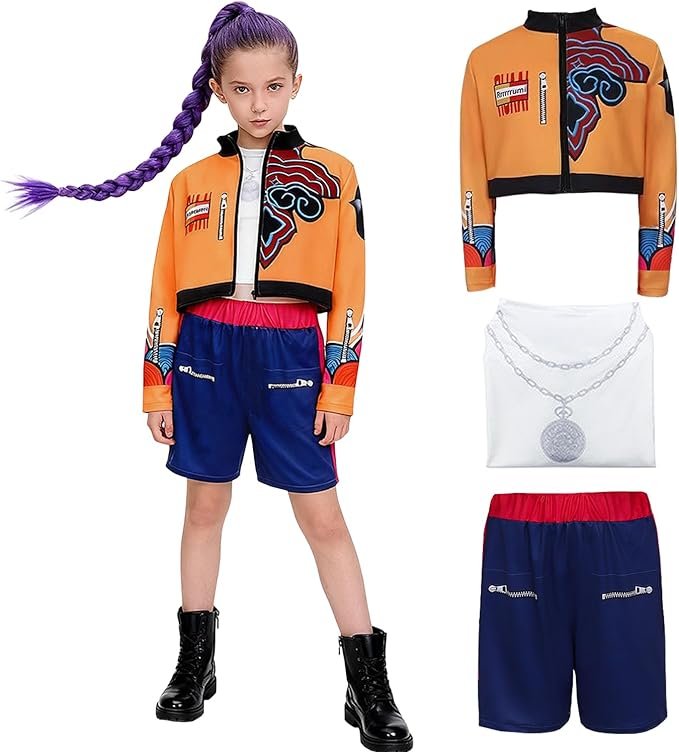
Children’s Costume – Inspiring Imagination, Creativity, and Play
Children’s costumes play an important role in imaginative development, allowing kids to explore creativity, storytelling, and self-expression through dress-up and role play. From classic characters to modern themes, costumes help children step into new worlds, act out adventures, and build confidence in a fun and engaging way. Whether worn for parties, school events, holidays, or everyday play, children’s costumes continue to be a timeless source of joy.
What Is a Children’s Costume
A children’s costume is a themed outfit designed to represent a character, profession, animal, or fantasy role. These costumes are created specifically for kids, focusing on comfort, safety, and age-appropriate design. They may include clothing, accessories, headpieces, and sometimes props that complete the look while remaining lightweight and easy to wear.
Children’s costumes are widely used for events such as birthdays, costume parties, school functions, theatrical performances, cultural celebrations, and seasonal holidays.
Popular Types of Children’s Costumes
Children’s costumes come in a wide variety of themes to suit different interests and age groups.
Fantasy and Fairytale Costumes
These include princes, princesses, fairies, knights, dragons, and magical creatures. Fantasy costumes encourage storytelling and imaginative play inspired by books and fairy tales.
Superhero Costumes
Superhero outfits remain one of the most popular choices, allowing children to embody bravery, strength, and heroism. These costumes often feature bright colors, symbols, and capes.
Animal Costumes
Animal costumes such as lions, dinosaurs, unicorns, bears, and butterflies are especially popular with younger children. They are playful, colorful, and easy to recognize.
Career and Role-Play Costumes
Costumes representing professions like doctors, firefighters, police officers, astronauts, and chefs allow children to explore real-world roles and dream about future possibilities.
Seasonal and Holiday Costumes
These include outfits for Halloween, Christmas, school events, and themed celebrations. Seasonal costumes often feature festive colors and designs suitable for special occasions.
Materials and Comfort
Children’s costumes are typically made from lightweight and breathable materials to ensure comfort during extended wear. Common materials include polyester blends, cotton fabrics, soft mesh, and felt. Quality costumes focus on smooth stitching, soft textures, and flexible designs that allow children to move freely while playing.
Comfort is especially important for younger children, as costumes should not restrict movement or cause irritation.
Safety Considerations
Safety is a key factor in children’s costume design. Well-made costumes avoid sharp edges, small detachable parts, or materials that could cause discomfort. Many costumes are designed with easy closures such as Velcro, elastic bands, or zippers for quick dressing and removal.
Visibility, breathability, and non-toxic dyes are also important aspects, particularly for costumes worn during active play or public events.
Educational and Developmental Benefits
Children’s costumes support learning and emotional development in several ways:
- Encouraging imaginative play and creativity
- Supporting language and communication skills through role play
- Helping build confidence and self-expression
- Promoting social interaction and cooperative play
- Allowing children to explore emotions and storytelling
Through costumes, children learn to express ideas, interact with others, and develop problem-solving skills in a playful environment.
Occasions for Wearing Children’s Costumes
Children’s costumes are suitable for many occasions, including birthday parties, school plays, themed events, cultural celebrations, and casual dress-up at home. Many families also use costumes as part of educational activities, storytelling sessions, or creative games.
Because of their versatility, children’s costumes are often reused across multiple events and play scenarios.
Storage and Care
Proper care helps maintain the quality of children’s costumes. Most costumes can be gently hand-washed or spot-cleaned, depending on the material. Storing costumes in a clean, dry place helps preserve colors and fabric condition for future use.
Conclusion
Children’s costumes are more than simple outfits; they are tools for creativity, learning, and joyful expression. By encouraging imaginative play and role exploration, costumes help children build confidence while enjoying memorable experiences. With thoughtful design, comfortable materials, and engaging themes, children’s costumes remain an essential part of childhood fun and development.