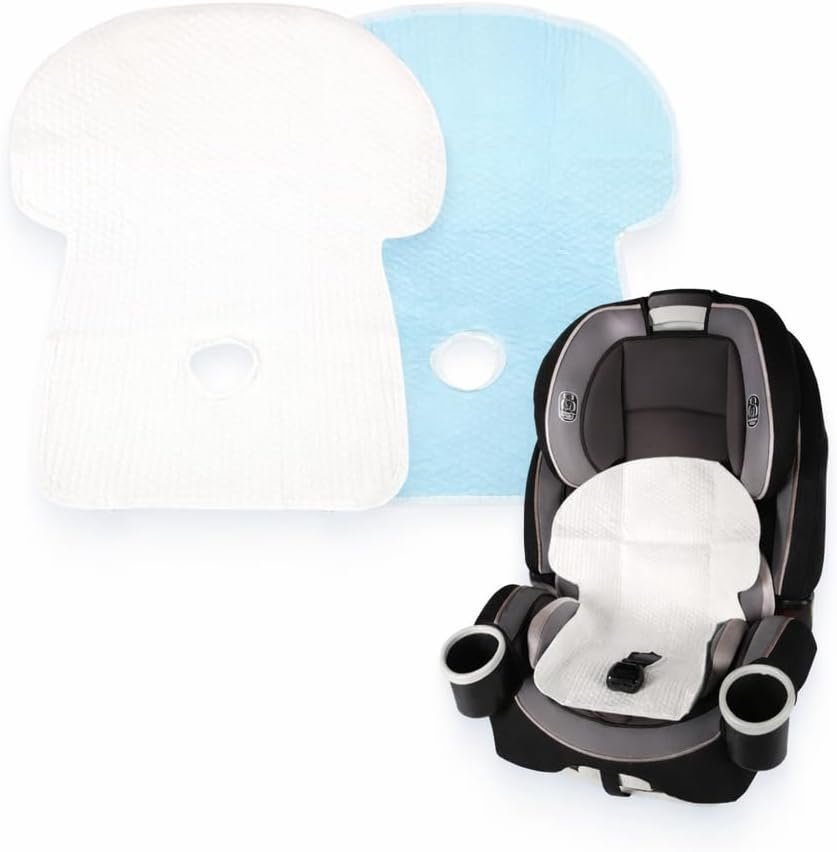
Disposable Car Seat Liners — Complete Guide
Disposable car seat liners (sometimes called disposable seat covers or liners) are single-use protective sheets designed to be placed on a car seat to shield the upholstery from spills, stains, dirt, moisture and cross-contamination during travel. They’re especially useful when you want quick protection without washing or maintaining washable covers.
These liners are typically made from lightweight materials such as non-woven fabric or thin plastic (like polyethylene), and often include absorbent or fluid-resistant layers to trap liquids and keep seats clean.
Why Use Disposable Seat Liners
Disposable seat liners are used in a variety of scenarios where hygiene and ease of cleanup are priorities:
1. Protecting Seats from Messes
Whether you’re dealing with kids, pets, food and drink spills, sweat or mud, disposable liners serve as a barrier that prevents damage or stains to upholstery. They are particularly helpful on long trips, busy family outings or daycares where multiple passengers use a vehicle.
2. Travel and On-the-Go Convenience
Because they are lightweight and compact, disposable liners can be stored easily in your glove compartment or travel bag and deployed quickly for unexpected messes. This makes them popular for road trips, rentals, airport transport and rideshare use.
3. Hygiene and Cross-Contamination Control
In shared vehicles — such as ride-hailing cars, taxis, buses, or workplaces with pooled cars — liners can help reduce the risk of transferring dirt, body oils or allergens between users.
4. Easy Cleanup
Once a liner is soiled, you simply remove and dispose of it, eliminating the need for deep cleaning, stain removal, or laundering that comes with reusable covers.
Common Materials and Construction
Different disposable liners use different materials to balance convenience, strength and cost:
- Polyethylene (PE) Plastic: Very inexpensive and moisture-resistant, but may make rustling noise and skid unless secured well.
- Non-Woven Fabric: A polypropylene-based material that’s quieter, stronger and more comfortable than thin plastic.
- Laminated SMS (Spunbond-Meltblown-Spunbond): A thicker web that provides better fluid barrier properties, similar to medical-grade protective materials.
When Disposable Liners Are Most Useful
These liners are especially practical for:
- Kids and infants: Easy cleanup after spills, potty accidents or travel messes.
- Pet travel: Protecting upholstery from wet paws, shedding hair and muddy paws.
- Rentals and shared cars: Temporary protection that maintains hygiene without long-term wear.
- Medical or care settings: Transporting individuals who may leak fluids or need sanitary conditions.
Pros of Disposable Car Seat Liners
Quick and Easy Protection
They can be installed and removed in seconds and don’t require washing.
Portable Storage
Folded liners take up little space in a glove box or luggage.
Hygienic
Ideal for one-time use when cleanliness is a top priority.
Cost-Effective in Bulk
Buying in packs or boxes offers low per-unit costs for frequent use.
Limitations and Things to Consider
Limited Reusability
Disposable liners are designed for single use; reusing them can lead to microbial buildup and reduced effectiveness.
Environmental Impact
Most liners, especially plastic-based ones, contribute to waste unless specifically labeled biodegradable or recyclable.
Fit and Stability
One-size-fits-most liners may shift or slide on contoured seats, so they’re not always as stable as fitted reusable covers.
Comfort and Breathability
Thin plastic liners can feel less comfortable (and potentially warmer) than fabric alternatives, especially on long rides.
Safety and Installation
While not designed to interact with safety systems, any liner should be installed so that it does not interfere with seat belts, airbags, or seat structure. Manufacturers of disposable liners generally recommend they lie flat and not bunch beneath occupants.
Typical Use Cases
Here are everyday situations where disposable car seat liners are especially handy:
- Potty training toddlers or babies on the go
- Feeding kids in car seats during travel
- Shuttle or rideshare services needing hygienic turnover
- Transporting pets that might wet or dirty seats
- Medical transport or caregiver use where sanitation is crucial
Summary
Disposable car seat liners are single-use protective sheets that guard vehicle seats against spills, dirt, moisture and cross-contamination. They’re portable, inexpensive and quick to install, making them useful for travel, kids, pets, rentals and shared vehicles. The main trade-offs include one-time use, potential environmental impact, and sometimes fit issues, but for many people the convenience and hygiene benefits outweigh these concerns.
If you’d like, I can also explain how to choose the right size and material of disposable liners for your specific vehicle seats or scenarios (like kids vs pets). Just tell me what you need!