Dog Nail Trimmers
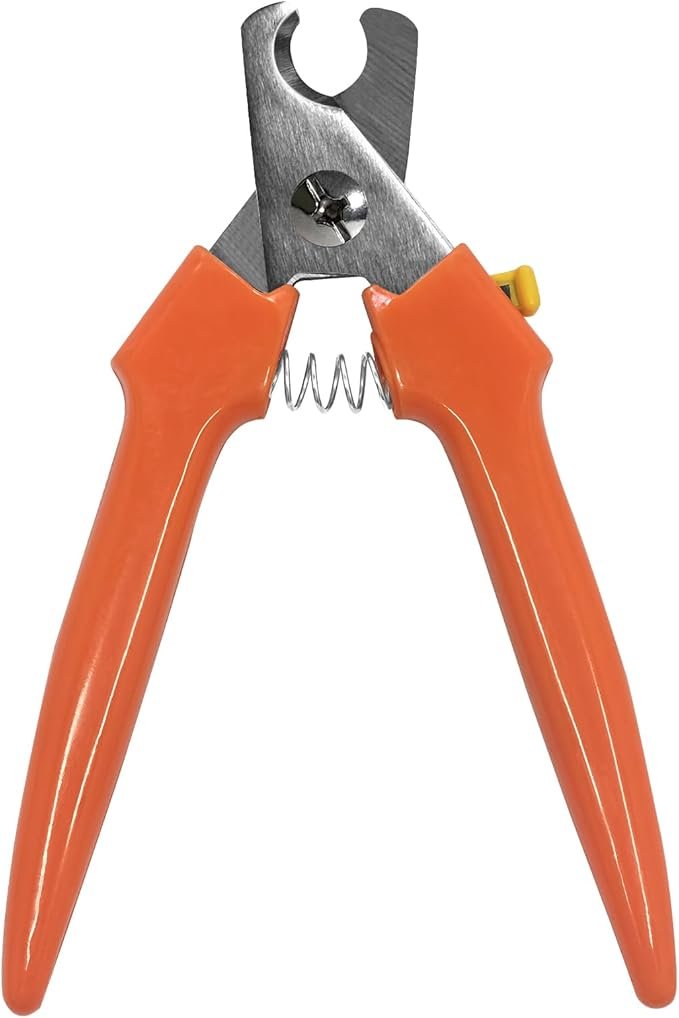
Dog Nail Trimmers: Essential Tools for Safe and Comfortable Grooming
As a dog owner, grooming is an important part of maintaining your pet’s health and well-being. Among the many grooming tasks, dog nail trimming is one that often gets overlooked but is crucial to your dog’s comfort and hygiene. Long nails can cause a variety of issues, including difficulty walking, discomfort, and even injury. Having the right dog nail trimmers will ensure a safe, effective, and stress-free experience for both you and your pet.
In this guide, we’ll dive into the different types of dog nail trimmers, how to choose the best one for your pet, and tips for safely trimming your dog’s nails.
Why Nail Trimming is Important for Your Dog
Before we talk about the tools, it’s essential to understand why regular nail trimming is important:
- Preventing Overgrown Nails: When nails grow too long, they can curl under or cause pain by pressing into the dog’s foot pads. This can lead to walking difficulties or infection.
- Avoiding Injury: Long nails can catch on things, causing splits or tears. Trimming your dog’s nails reduces the risk of accidental injury.
- Improved Comfort: Dogs with overgrown nails often have a hard time walking properly, which can affect their posture and gait, leading to discomfort.
- Hygiene: Long nails can collect dirt, bacteria, and other debris, leading to infections or unpleasant odors.
- Bonding Experience: Regular grooming, including nail trimming, creates an opportunity to bond with your dog, helping them get used to being handled and ensuring that grooming sessions go smoothly in the future.
Types of Dog Nail Trimmers
There are several types of dog nail trimmers available, each designed for specific purposes and different dog sizes. Here’s a breakdown of the most common types:
1. Scissor Nail Trimmers
- Design: Scissor-style trimmers resemble a pair of scissors, with two blades that cross each other to cut the nail.
- Best for: Small to medium-sized dogs with soft to medium nails.
- Advantages:
- Provides precise control.
- Easy to use for those with a steady hand.
- Works well for dogs with smaller nails or lighter trims.
- Disadvantages:
- Not as effective for larger dogs with thicker, tougher nails.
- Can be tiring on the hands after multiple trims.
2. Guillotine Nail Trimmers
- Design: These trimmers have a blade that moves in a guillotine-like motion to cut the nail when you press the handle.
- Best for: Dogs with smaller to medium-sized nails.
- Advantages:
- Quick and clean cut.
- Works well for smaller dogs or nails that are not too thick.
- The safety guard prevents trimming too close to the quick (the sensitive part of the nail).
- Disadvantages:
- Can be challenging to use on large or thick nails.
- Some people find it hard to achieve a precise cut on darker nails.
3. Grinder (Dremel Tool)
- Design: A motorized grinding tool that sands down the nail rather than cutting it. It works like a rotary tool with a rotating drum or bit.
- Best for: Dogs with tough nails, or for owners who prefer a smoother finish.
- Advantages:
- Smoother finish than clippers.
- Works well for larger dogs or dogs with thick nails.
- Less risk of cutting too close to the quick, as the grinding process is gentler.
- Disadvantages:
- May take longer to grind down the nails.
- Noise can be startling for dogs, so gradual desensitization is needed.
- Requires more maintenance than trimmers, such as changing the grinding bits.
4. Plier-style Nail Trimmers
- Design: Similar to scissor trimmers, but the handles are pliable, resembling a plier’s shape. The blades are often stronger and more robust.
- Best for: Medium to large dogs or dogs with thick nails.
- Advantages:
- Strong and effective for cutting through tougher nails.
- The ergonomic handle design allows for better grip and control.
- Typically more durable than scissor-style trimmers.
- Disadvantages:
- Can be harder to control if you have smaller hands.
- Might be too heavy or cumbersome for smaller dogs or owners with arthritis.
How to Choose the Right Dog Nail Trimmer
When choosing the best nail trimmer for your dog, consider the following factors:
- Size of Your Dog:
- Small dogs typically have softer nails, which are best suited for scissor-style or guillotine trimmers.
- Large dogs with thicker nails will benefit from plier-style trimmers or nail grinders for more power and durability.
- Nail Thickness and Texture:
- If your dog’s nails are particularly tough or thick, you’ll need stronger trimmers or a grinder. Soft, brittle nails can be easily managed with scissors or guillotine trimmers.
- Comfort and Ease of Use:
- Look for ergonomically designed handles that feel comfortable in your hands. Choose a trimmer that you feel confident using, as a steady hand is essential to avoid injury.
- If your dog’s nails are dark or hard to see the quick, a grinder might be easier to use because it offers more precision and a safer process.
- Noise Sensitivity:
- If your dog is sensitive to noise, a nail grinder might be less desirable due to its sound. In this case, manual clippers would be a better option.
- Safety Features:
- Look for trimmers with built-in safety guards or adjustable cutting blades to help avoid cutting the quick, which can cause pain and bleeding.
Tips for Safely Trimming Your Dog’s Nails
1. Get Your Dog Used to the Process:
- Before trimming, let your dog get used to the trimmer by allowing them to sniff and investigate it.
- Desensitize your dog to the sound of a nail grinder if you’re using one. Turn it on for a few seconds while they’re calm, then reward them with a treat.
2. Trim in Small Amounts:
- When trimming, take small cuts to avoid cutting too close to the quick. For light-colored nails, you can see the quick as a pink area inside the nail. For dark nails, trim small portions at a time to avoid hitting the quick.
3. Have Styptic Powder on Hand:
- In case you accidentally cut the quick and cause bleeding, styptic powder (or cornstarch) can help stop the bleeding quickly.
4. Reward Your Dog:
- Give your dog treats and praise after each successful nail trim to make the experience positive. Over time, this will help them stay calm and relaxed during the process.
5. Trim Regularly:
- Trim your dog’s nails regularly (every 2-4 weeks) to keep them at a comfortable length and avoid overgrowth. This will make the process quicker and easier each time.
Recommended Dog Nail Trimmers
Here are a few popular and highly-rated dog nail trimmers to consider:
- Safari Professional Nail Trimmer (Scissor style)
- Best for: Small to medium-sized dogs.
- Features: Ergonomic handle, stainless steel blades, and a comfortable grip.
- Andis Nail Clipper (Guillotine style)
- Best for: Small to medium-sized dogs.
- Features: Sharp stainless steel blades and a spring-loaded mechanism for easy use.
- Dremel 7300-PT (Nail Grinder)
- Best for: Dogs with thick nails or those sensitive to clippers.
- Features: 2-speed settings, long battery life, and quiet operation.
- Boshel Dog Nail Clippers (Plier-style)
- Best for: Large dogs with thick nails.
- Features: Safety guard to prevent over-cutting, ergonomic non-slip handle.
- Resco Original Deluxe Dog Nail Clippers (Plier-style)
- Best for: Medium to large dogs with tough nails.
- Features: High-quality steel blades, and a locking mechanism for storage.
Conclusion
Trimming your dog’s nails may seem like a challenging task, but with the right dog nail trimmers, it can be a quick and easy process. Whether you choose scissor trimmers, guillotine-style, plier trimmers, or a nail grinder, make sure the tool suits your dog’s size, nail thickness, and comfort. Regular nail trimming not only promotes your dog’s health and well-being but