Ear Plugs for Sleeping
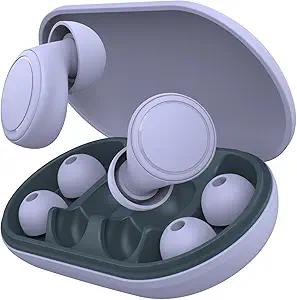
Ear Plugs for Sleeping Review: Quiet Nights, Better Rest
If you struggle to fall asleep or stay asleep because of noise—whether it’s traffic, loud neighbors, a snoring partner, or early‑morning sounds—a good pair of ear plugs for sleeping can make a real difference. Unlike sound machines or headphones, ear plugs create a physical barrier that reduces noise, helping your brain settle into deeper, more restorative sleep.
In this review, we’ll take an honest look at what to expect from sleeping ear plugs, the types available, how they perform in everyday use, and what to consider before you buy.
What Are Ear Plugs for Sleeping?
Ear plugs designed for sleep are soft inserts that fit into your ear canal to reduce external sounds. Unlike bulky audio devices, sleeping ear plugs are lightweight, unobtrusive, and meant to be comfortable for extended wear. They can significantly cut down noise levels, helping you relax and sleep without constant interruptions.
These are ideal for:
- Light sleepers
- People living in noisy areas
- Shift workers who sleep during the day
- Frequent travelers staying in hotels or shared rooms
- Anyone seeking deeper, uninterrupted rest
Types of Ear Plugs and How They Work
Different materials and designs affect comfort, noise reduction, and usability. Here are the most common types:
Foam Ear Plugs
What they are: Soft, expandable foam that compresses and then expands in the ear canal.
Daily use:
- Great for blocking out loud noises
- Comfortable once inserted correctly
- Disposable or limited reusable life
Best for: High noise reduction, budget‑friendly use
Silicone Ear Plugs
What they are: Soft, moldable plugs that form a seal over the ear canal.
Daily use:
- Reusable and easy to clean
- Softer feel, which can be more comfortable especially for side sleepers
- Great for consistent nightly use
Best for: Sensitive ears and frequent sleepers
Wax Ear Plugs
What they are: A blend of soft wax and cotton that molds to your ear.
Daily use:
- Very comfortable, gentle on skin
- Excellent at sealing out noise
- Typically lasts fewer nights before needing replacement
Best for: Those who prioritize comfort and fit
Key Features That Matter
Noise Reduction Rating (NRR)
NRR measures how much sound ear plugs can block. A higher NRR means more noise reduction. For sleeping:
- 20–30 dB is generally good for snoring and moderate noise
- 30+ dB is ideal if you’re dealing with loud street noise or persistent disturbances
Comfort and Fit
Since you’ll be wearing these overnight, comfort is critical. Good sleeping ear plugs:
- Sit snugly without pressure
- Don’t irritate the ear canal
- Stay in place even if you move or sleep on your side
Look for soft materials and ergonomic shapes designed for sleep rather than industrial use.
Reusability and Maintenance
- Disposable foam plugs are inexpensive but need regular replacement.
- Silicone or wax options are reusable and easy to clean, making them more eco‑friendly and cost‑effective over time.
Some kits include a small storage case or cleaning tools, which can help extend the lifespan of reusable plugs.
Everyday Use: What You Can Expect
In real‑life sleep settings, ear plugs can:
- Reduce noise that wakes you up or interrupts sleep cycles
- Make early morning or daytime naps more restful
- Help maintain focus during bedtime routines
- Improve overall sleep quality for light or sensitive sleepers
They’re also useful for travel—on planes, trains, or bus rides—when ambient noise is constant.
In practical use, proper insertion is important for effectiveness. Foam plugs should be rolled between your fingers, inserted gently, and allowed to expand. Silicone and wax plugs should be molded to fit the outer ear shape snugly.
Pros and Cons
Pros
- Blocks unwanted noise effectively
- Affordable sleep solution
- Portable and easy to use
- Reduces need for white noise machines or headphones at night
Cons
- Some people find plugs uncomfortable initially
- Foam plugs aren’t reusable
- May take a little practice to insert properly
- Not ideal if you need to hear alarms or important sounds
Who Should Buy Ear Plugs for Sleeping?
These products are ideal if you:
- Struggle with noisy environments
- Want a simple, low‑cost way to improve sleep quality
- Travel frequently and need portable noise reduction
- Are a light sleeper or nap during the day
They’re not as suitable if you need to stay alert for sounds like baby monitors or alarms unless paired with other solutions.
Final Verdict
Ear plugs for sleeping are one of the easiest and most effective tools for achieving quieter, more restful sleep. Whether you choose foam for strong noise blocking, silicone for comfort and reuse, or wax for a tailor‑like fit, the right pair can make a noticeable difference in how well you rest.
For everyday use, look for a pair with a comfortable fit, solid noise reduction rating, and materials that suit your routine. With the right choice, you can finally enjoy peaceful sleep—even in noisy environments.