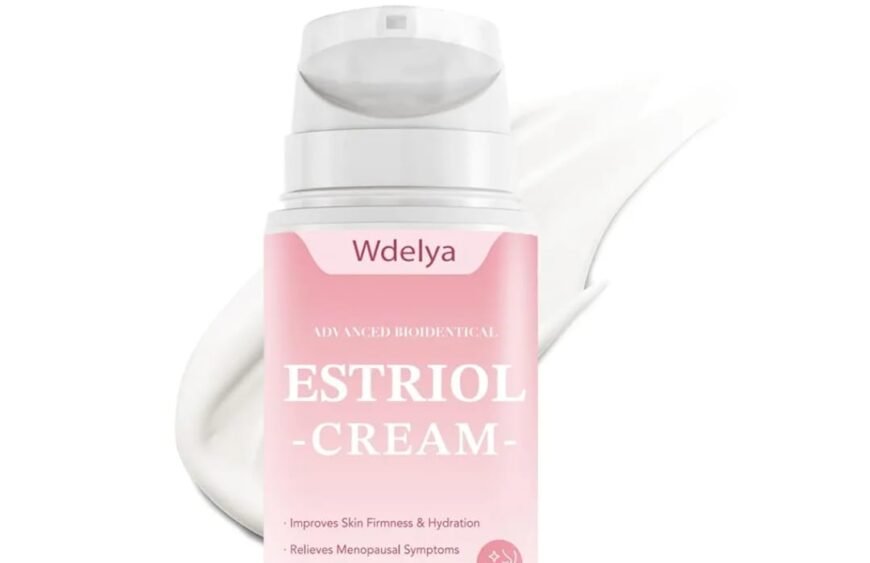
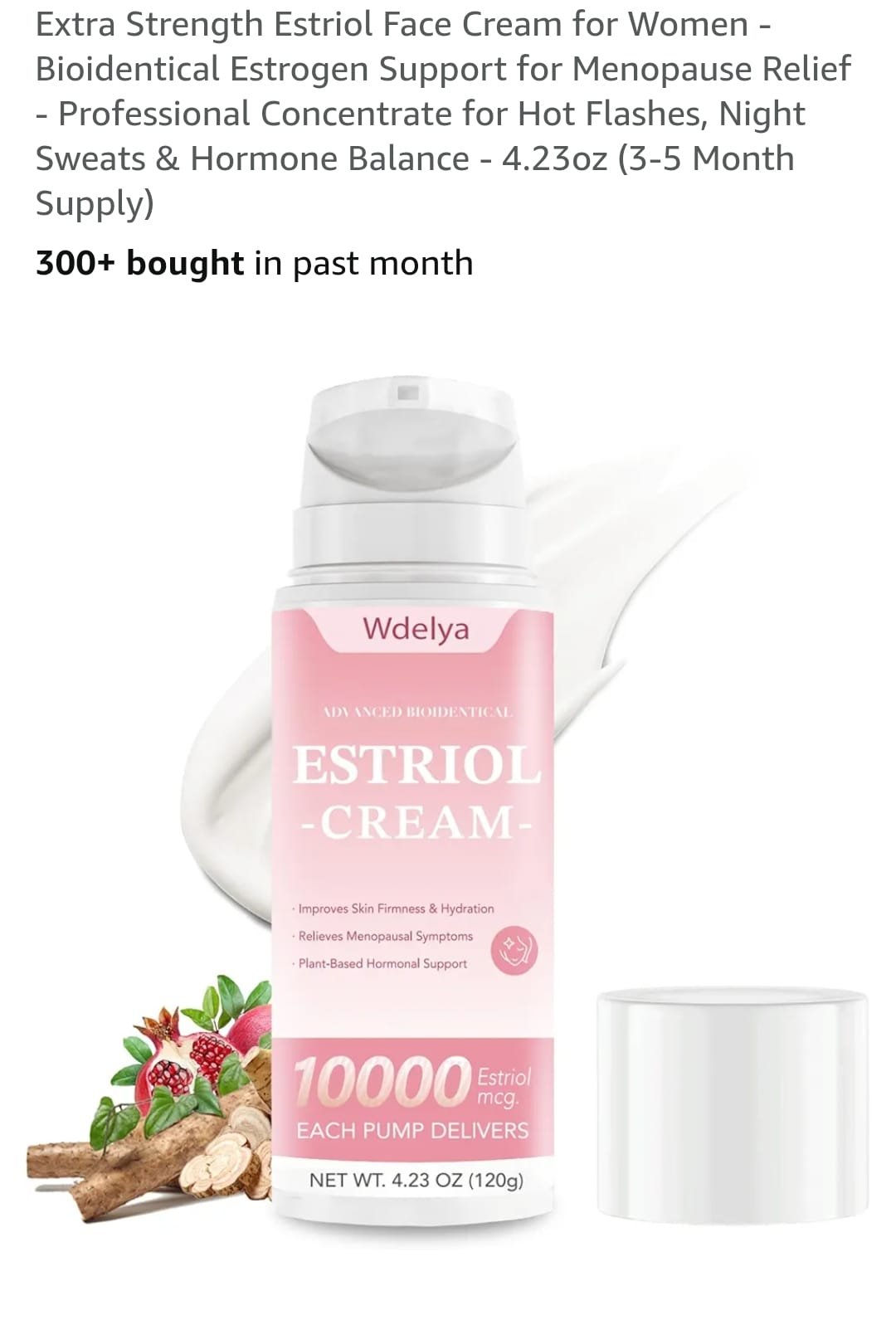
Face Cream for Women — A Detailed Guide to Nourished, Healthy, and Radiant Skin
A face cream for women is a daily skincare product formulated to moisturize, protect, and improve the appearance of the skin on the face. Its main purpose is to lock in hydration, support the skin’s natural barrier, and address specific concerns like dryness, aging, uneven tone, or sensitivity. Choosing the right face cream can make a noticeable difference in how your skin looks, feels, and ages over time.
This long‑form guide explains what face creams do, key ingredients to look for, how to choose based on skin type, and tips for effective use.
What Face Creams Do
At its core, a face cream helps with:
1. Hydration and Moisture
Face creams seal in water and prevent dryness, leaving skin soft and smooth. They often contain humectants (attract moisture), emollients (soften skin), and occlusives (seal hydration).
2. Skin Barrier Support
The outermost layer of skin, the stratum corneum, protects against environmental stressors. Good face creams help strengthen this barrier so the skin is less prone to irritation and moisture loss.
3. Targeted Benefits
Depending on formulation, face creams can:
- Reduce fine lines and wrinkles
- Minimize dullness and uneven tone
- Calm redness and sensitivity
- Help with pigmentation or sun damage
- Improve firmness and elasticity
Key Ingredients and What They Do
Hyaluronic Acid
A natural moisture‑binding molecule that can hold many times its weight in water. It plumps the skin and improves hydration.
Ceramides
Lipids (fats) found in the skin that help restore the protective barrier and reduce dryness.
Niacinamide
A form of vitamin B3 that assists with barrier repair, redness reduction, and improved texture.
Peptides
Short chains of amino acids that support skin structure and may help with firmness and smoothness.
Antioxidants (e.g., Vitamin C, E)
Protect against free radical damage from pollution and UV exposure, leading to brighter, more resilient skin.
Retinoids
Vitamin A derivatives that promote cell turnover, help fade fine lines, and smooth texture. Best used at night and introduced slowly.
Alpha‑Hydroxy Acids (AHAs)
Ingredients like glycolic or lactic acid gently exfoliate dull surface cells, revealing fresher skin.
SPF (Sun Protection Factor)
Some daily creams include SPF to protect against premature aging from UV exposure. Sun protection is a cornerstone of skincare benefits.
Choosing the Right Face Cream Based on Skin Type
Face creams are not one size fits all. Matching formulation to your skin’s needs makes them more effective.
Normal Skin
A balanced, non‑greasy cream works well — light yet hydrating. Look for niacinamide and antioxidants for maintenance.
Dry Skin
Choose rich, nourishing creams with ceramides, hyaluronic acid, and plant oils. Thicker textures help stave off flakiness.
Oily or Combination Skin
Look for oil‑free, non‑comedogenic formulas that hydrate without clogging pores. Gel‑to‑cream textures can be ideal.
Sensitive Skin
Seek fragrance‑free, gentle formulas with calming ingredients (aloe, panthenol, oat extract) and avoid harsh irritants.
Mature Skin
Creams with peptides, antioxidants, retinoids, and SPF help improve firmness and reduce visible signs of aging.
When to Apply Face Cream
The best results come from consistent use:
Morning Routine
- Cleanse
- Toner (if you use one)
- Serum (optional)
- Face cream
- Sunscreen (if not included in your cream)
Night Routine
- Remove makeup/cleanse
- Toner/essence
- Serum
- Night cream or richer face cream
Face creams work best on slightly damp skin, helping to lock in moisture after cleansing.
Face Cream Textures and When to Use Them
- Lightweight gel or lotion: Ideal for warm weather and oily skin.
- Cream: Balanced moisture for most skin types.
- Rich, thick cream: Great for dry or aging skin, especially overnight.
- Cream with SPF: Best for daytime when sun exposure is expected.
Addressing Common Skin Concerns
Dryness & Dehydration
Regular hydration — especially creams with hyaluronic acid or ceramides — helps plump and soothe parched skin.
Aging & Fine Lines
Peptides, retinoids, and antioxidants may help support collagen and smooth texture. Consistent use over time brings subtle improvements.
Dullness
Antioxidants (like vitamin C) and gentle exfoliants (like AHAs) in your cream or routine help promote radiance.
Redness or Sensitivity
Soothing, fragrance‑free formulas with calming botanicals like chamomile or oat extract can help. Barrier support ingredients (lipids, ceramides) reduce irritation.
Ingredients to Avoid or Watch
- Artificial fragrances (can irritate sensitive skin)
- Harsh alcohols (can dry skin if overused)
- Heavy silicones (may feel occlusive on some skin types)
- High concentrations of exfoliants without prior tolerance
Always patch‑test new products when trying active ingredients like retinoids or acids.
Daily Skincare Tips With Your Face Cream
- Apply on damp skin after cleansing to lock in hydration.
- Use sunscreen daily, even if your cream has SPF. UV exposure is a leading cause of premature aging.
- Be consistent: Benefits take time; most actives show noticeable improvements over weeks.
- Adjust seasonally: Richer creams in winter, lighter textures in summer.
A Note on Allergies and Safety
Check ingredient lists if you have known sensitivities. If you experience redness, burning, or irritation, discontinue and consult a dermatologist or skincare professional.
Pregnant or breastfeeding women should consult healthcare providers before using products with retinoids.
Final Thoughts
A face cream for women is more than just a moisturizer — it’s a foundational skincare step that hydrates, supports the skin barrier, and targets specific concerns. With thousands of formulations available, matching a cream to your skin type, concerns, and daily habits ensures you get the most benefit.
Healthy skin care doesn’t happen overnight, but with consistent use of a well‑chosen face cream, your skin can look more radiant, resilient, and comfortable every day.
If you’d like, I can help you choose a face cream based on your specific skin type (dry, oily, combination, sensitive) and your main concerns (aging, dullness, acne, hydration). Just tell me what matters most to you.