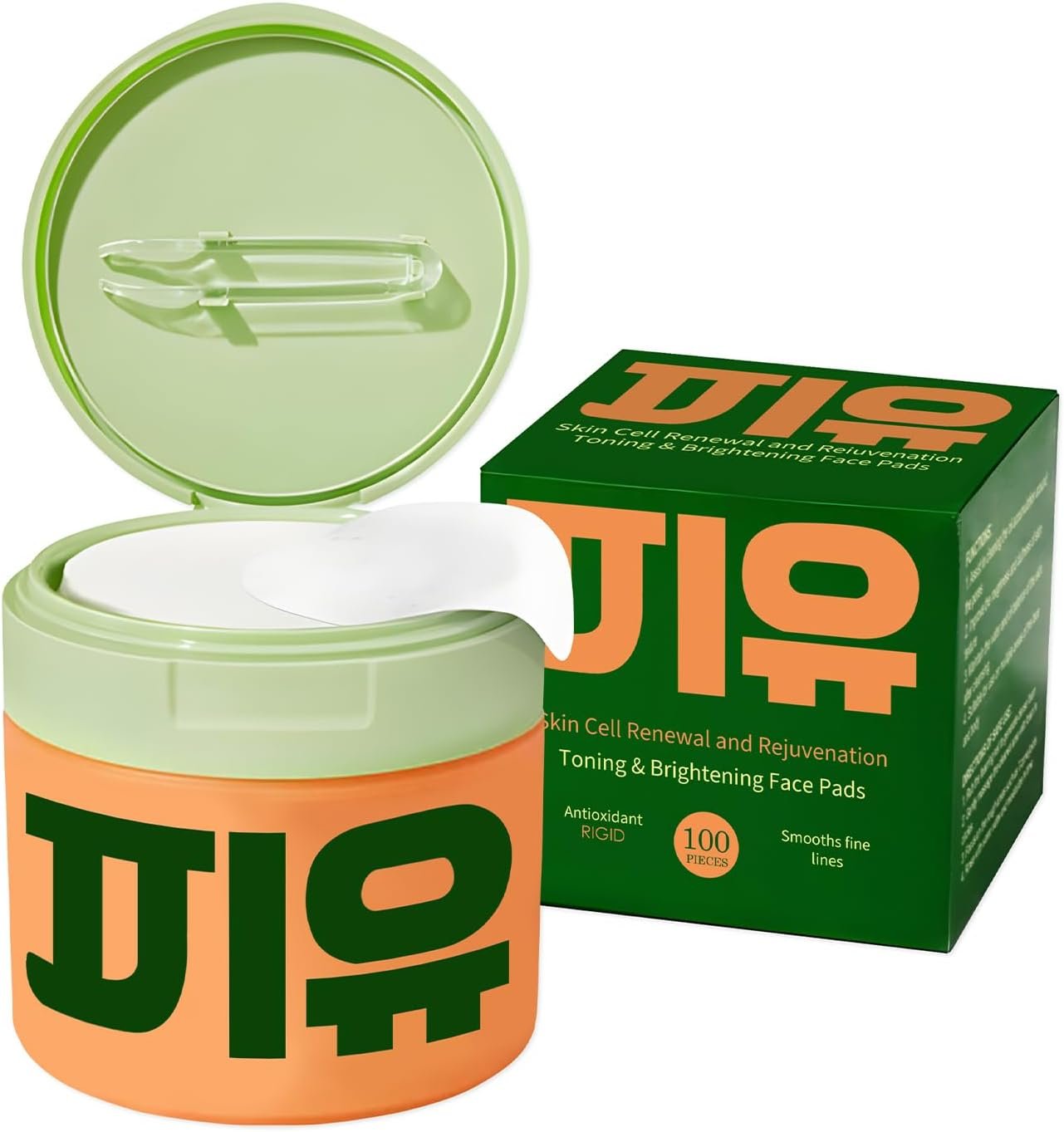
Facial Peeling Pads — Complete Guide to Exfoliation, Benefits, and How to Use Them Safely
Facial peeling pads are pre‑saturated cotton or cloth pads infused with exfoliating ingredients designed to remove dead skin cells, refine texture, and reveal smoother, brighter skin. They deliver chemical exfoliation in a convenient, easy‑to‑use format — perfect for both beginners and experienced skincare users.
This guide explains what they are, how they work, key ingredients, benefits, how to use them, safety tips, and how to choose the right ones.
What Facial Peeling Pads Are
Facial peeling pads are round or square pre‑soaked wipes that contain exfoliating acids or enzymes. Instead of manually scrubbing your skin, these pads gently dissolve the bonds holding dead skin cells on the surface, promoting natural cell turnover.
They are typically packaged in tubs, resealable packets, or dispensers for daily or weekly use.
How They Work
Facial peeling pads work using chemical exfoliants — ingredients that loosen the “glue” between dead skin cells so they can be easily lifted away without abrasive scrubbing. When you swipe the pad across your face, the active ingredients go to work on:
- Removing dead skin buildup
- Unclogging pores
- Smoothing texture
- Improving brightness
This type of exfoliation is often more uniform and gentle than rough physical scrubs.
Key Exfoliating Ingredients
Different peeling pads contain different active ingredients — each with specific benefits:
1. Alpha Hydroxy Acids (AHAs)
Water‑soluble acids that work on the skin’s surface.
- Glycolic Acid: Smallest AHA molecule; strong exfoliant
- Lactic Acid: Milder; adds moisture while exfoliating
Best for textural refinement, brightness, and uneven tone.
2. Beta Hydroxy Acid (BHA)
Oil‑soluble acid that can penetrate into pores.
- Salicylic Acid: Great for oilier skin and acne‑prone pores
It helps clear congested pores and reduce blackheads.
3. Polyhydroxy Acids (PHAs)
Gentler acids with larger molecules.
- Example: Gluconolactone
Ideal for sensitive or dry skin needing mild exfoliation.
4. Enzymes
Natural enzymes (like papaya or pumpkin) gently break down dead skin cells and are good for very sensitive skin.
Benefits of Using Facial Peeling Pads
1. Smoother Skin Texture
Regular use helps soften rough patches and uneven areas.
2. Brighter, More Radiant Complexion
Dead skin removal reveals fresher, glowing skin beneath.
3. Reduced Breakouts
By clearing dead cells and excess oil, they can help prevent clogged pores.
4. Better Absorption of Other Products
Exfoliating makes serums and moisturizers work more effectively.
5. Fewer Bumps and Blackheads
Especially when BHA‑based pads are used consistently.
How to Use Facial Peeling Pads
Here’s a simple, effective routine:
- Cleanse
Wash your face with a gentle cleanser and pat dry. - Swipe the Pad
Gently wipe the face and neck — avoid eye and lip areas. No need to rinse. - Wait a Moment
Let the exfoliants penetrate for a minute or two. - Follow with Serum/Moisturizer
Hydrate and protect your skin. - Use Sunscreen
Exfoliation increases sun sensitivity — apply broad‑spectrum SPF daily.
Recommended Frequency
- Sensitive or Dry Skin: 1–2 times per week
- Normal/Combination Skin: 2–4 times per week
- Oily/Acne‑Prone Skin: Up to daily (based on tolerance)
Start with lower frequency, then increase if your skin responds well.
Safety & Precautions
- Avoid eyes and lips — these areas are delicate.
- Watch for irritation, redness or stinging — if present, reduce frequency.
- Always wear sunscreen during the day — exfoliated skin is more sun‑sensitive.
- If you use other acids (vitamin C, retinoids) your skin may become more reactive — space out exfoliating and these ingredients.
How to Choose the Right Pads
For Oily, Acne‑Prone Skin
Look for pads with salicylic acid (BHA) — excellent for pores and congestion.
For Dull or Uneven Skin
Pads with glycolic or lactic acid (AHAs) help brighten and smooth.
For Sensitive Skin
Choose pads with PHAs or mild lactic acid or enzyme blends.
For Dry Skin
Pads with lactic acid or added humectants (like glycerin) help retain moisture.
Ingredients to Watch For
- Niacinamide: Supports barrier and reduces redness
- Hyaluronic Acid: Helps retain hydration
- Aloe or botanical extracts: Soothing for irritation
- Alcohol‑free formulas: Better for sensitive skin
Avoid harsh alcohols or fragrances if you have dry or sensitive skin.
Signs It’s Working
- Smoother texture
- Fewer clogged pores
- Brighter skin tone
- Makeup applies more evenly
- Less dryness or roughness
Allow a few weeks of consistent use to see visible changes.
Signs You Should Adjust Use
- Persistent irritation or peeling
- Redness that doesn’t calm with moisturizer
- Sensitivity to sun exposure
Reduce frequency or switch to gentler pads with milder acids (like PHAs). If irritation persists, consult a dermatologist.
Summary
Facial peeling pads are an easy, convenient way to exfoliate skin, remove dead cells, refine texture, and promote a brighter, clearer complexion. With acids like AHAs, BHAs or PHAs, they cater to different skin types and concerns. Start slowly, protect your skin from the sun, and choose pads with ingredients suited to your skin needs for best results.
If you tell me your skin type and goals (e.g., dryness, oiliness, ageing, acne), I can recommend the best kind of peeling pads and a step‑by‑step routine tailored to you.