Water Flossers for Teeth
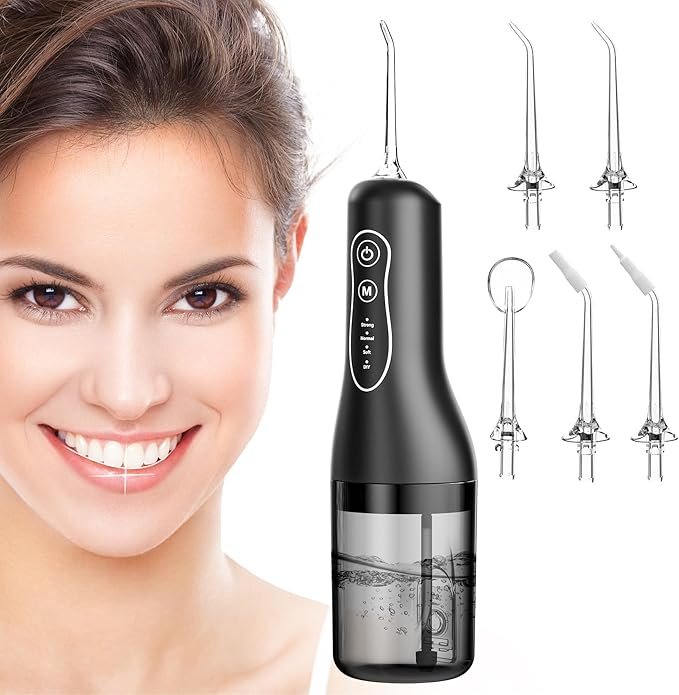
Water Flossers for Teeth: A Modern Solution for Optimal Oral Hygiene
Oral hygiene is essential for maintaining a healthy smile, and while traditional flossing has long been a standard practice, modern alternatives like water flossers are quickly gaining popularity. These innovative devices offer an effective and easy way to clean between your teeth and along the gumline, helping you maintain optimal oral health without the hassle of traditional floss.
In this article, we will explore what a water flosser is, how it works, its benefits, and why you should consider adding one to your oral care routine.
What is a Water Flosser?
A water flosser, also known as an oral irrigator, is a device that uses a stream of pulsating water to remove food particles, plaque, and bacteria from between the teeth and along the gumline. Unlike traditional string floss, a water flosser relies on pressurized water jets to clean areas that may be hard to reach with regular brushing or flossing.
Most water flossers come with a handheld wand that directs a thin, focused stream of water between your teeth and around the gumline, flushing out debris. The water pressure can usually be adjusted to suit your comfort level, making it suitable for people with sensitive gums.
How Does a Water Flosser Work?
The water flosser works by using pulsating water at varying pressure levels to dislodge food particles and bacteria from between your teeth and gums. The device typically has a water reservoir, which you fill with water or a mixture of water and mouthwash, and an electric motor that pressurizes the water and forces it through a nozzle or tip.
When you place the nozzle near your gums and teeth, the water stream is directed at the spaces between your teeth, providing an effective way to clean areas that are often missed by traditional brushing and flossing.
Key Features of Water Flossers
- Adjustable Pressure Settings:
Most water flossers come with adjustable pressure settings, allowing you to customize the water flow to suit your needs. Whether you have sensitive gums or you prefer a higher pressure for deeper cleaning, you can find a setting that works for you. - Interchangeable Tips:
Some water flossers come with multiple interchangeable tips for different needs. These may include:- Standard tips for general cleaning.
- Orthodontic tips for people with braces.
- Plaque seeker tips for targeting specific areas with high plaque buildup.
- Tongue cleaner tips to help with freshening breath by cleaning the tongue.
- Large Water Reservoir:
A larger water reservoir can ensure you get a longer cleaning session without the need to refill in between. This is especially useful if you’re cleaning multiple areas or if you want a thorough flossing session without interruptions. - Cordless vs. Corded Models:
- Cordless water flossers are rechargeable and portable, perfect for travel or people with limited bathroom space.
- Corded models tend to offer more power and a larger water reservoir, making them better suited for home use.
- Multiple Modes:
Many high-end water flossers come with different modes for varying needs:- Standard Mode for daily cleaning.
- Gentle Mode for sensitive gums or beginners.
- Deep Clean Mode for a more powerful cleaning session.
- Quiet Operation:
Noise can be a concern for some users, but many modern water flossers are designed to operate quietly, making them a more pleasant experience for both the user and others in the household.
Benefits of Using a Water Flosser
- More Effective Than Traditional Flossing:
Studies have shown that water flossers can be more effective at removing plaque and reducing gingivitis than traditional string floss. The pulsating water not only removes food particles but also helps reduce the bacteria that cause gum disease. - Gentler on Gums:
Water flossers are gentler on the gums compared to traditional flossing. For people with sensitive gums or those prone to gum bleeding, a water flosser can be a much more comfortable option. The gentle water jets don’t cause the same abrasion as flossing with string. - Easier to Use:
Many people find water flossers easier to use than traditional floss, especially if they have limited dexterity or have trouble maneuvering floss between their teeth. The pulsating water can quickly clean hard-to-reach areas, reducing the effort required to maintain good oral hygiene. - Improves Gum Health:
Regular use of a water flosser can help reduce gum inflammation and promote healthier gums. By removing debris and bacteria along the gumline, water flossers help prevent gum disease and improve overall oral health. - Helps with Braces and Dental Work:
For people with braces, implants, or other dental work, a water flosser can be a game-changer. It’s far easier to clean around braces and other dental appliances with water pressure than with traditional floss, which may get stuck or break. - Freshens Breath:
Water flossers help eliminate food particles and bacteria that can cause bad breath. Using a water flosser regularly can help you maintain a cleaner mouth and fresher breath throughout the day. - Saves Time:
While traditional flossing can take time and require precision, using a water flosser can be quicker and more efficient. It’s especially useful for people who are always on the go and need a fast yet effective way to maintain oral hygiene.
Who Should Use a Water Flosser?
A water flosser can be beneficial for almost everyone, but it’s particularly helpful for certain groups of people:
- People with Sensitive Gums: If you experience discomfort or bleeding while using traditional floss, a water flosser can be a gentler alternative that still provides effective cleaning.
- Those with Braces or Other Dental Appliances: If you have braces, retainers, or implants, a water flosser can help you clean around these appliances more effectively than traditional flossing.
- People with Limited Dexterity: For individuals with conditions like arthritis or those who have difficulty using regular floss, a water flosser can be an easy-to-use option for maintaining oral hygiene.
- People with Gum Disease or Gingivitis: If you have gingivitis or other gum issues, water flossing can help remove plaque and bacteria from the gumline, reducing inflammation and improving gum health.
- Travelers: Cordless water flossers are compact and rechargeable, making them perfect for use on the go. If you’re often away from home, a portable water flosser can help you maintain your oral care routine.
How to Use a Water Flosser
Using a water flosser is simple and doesn’t take much time. Here’s how you can use it effectively:
- Fill the Reservoir: Begin by filling the water reservoir with lukewarm water. You can also add mouthwash for extra freshness.
- Choose the Appropriate Tip: Attach the desired nozzle or tip based on your needs.
- Set the Pressure: Start with a low pressure setting if you’re new to water flossing or if you have sensitive gums. Gradually increase the pressure as you become more comfortable.
- Position the Tip: Place the tip near your gumline, aiming the water stream at the spaces between your teeth.
- Start Flossing: Turn the water flosser on, and allow the water stream to gently clean between your teeth. Move the nozzle along your gumline, pausing briefly between each tooth.
- Clean Your Entire Mouth: Work your way around your entire mouth, making sure to target all areas, including the front, back, and along the gumline.
- Clean the Device: After use, empty the reservoir and clean the device as per the manufacturer’s instructions to prevent buildup and ensure hygienic use.
How to Choose the Best Water Flosser
- Consider Your Needs:
- If you have sensitive gums, look for a model with a gentle mode.
- If you wear braces, consider a flosser with an orthodontic tip for better cleaning around the brackets.
- If you’re often on the go, a cordless or portable water flosser may be ideal.
- Check Water Pressure Settings:
Look for a model that offers multiple pressure settings so you can adjust the intensity based on your comfort level and cleaning needs. - Water Reservoir Capacity:
Larger reservoirs will allow for longer cleaning sessions without needing to refill. If you plan to clean multiple people’s teeth or need a more thorough clean, a bigger reservoir may be more practical. - Brand and Reviews:
Opt for reputable brands known for producing high-quality water flossers. Check user reviews to ensure the model you’re considering is effective and durable.
Conclusion
A water flosser is an excellent investment for anyone looking to improve their oral hygiene routine. With the ability to clean areas between your teeth and along your gums that may be hard to reach with traditional floss, water flossers provide a gentler, more efficient, and more convenient way to maintain a healthy mouth. Whether you have sensitive gums, wear braces, or just want to improve your daily oral care, a water flosser can help you achieve better oral health with minimal
Continue generating