GPS Tracker
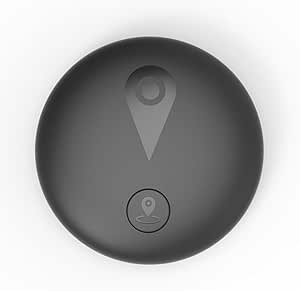
GPS Tracker for Vehicles: A Practical Guide for Everyday Drivers
Keeping track of a vehicle has become much easier than it was a few years ago. Whether you’re trying to protect your car from theft, monitor a fleet, or simply keep an eye on a family member’s driving habits, a GPS tracker for vehicles can be a useful and reliable solution. In this review, we’ll look at how vehicle GPS trackers work, their real-world benefits, and what to consider before choosing one.
What Is a GPS Tracker for Vehicles?
A GPS tracker for vehicles is a compact device that uses satellite signals to determine a vehicle’s location in real time. Most modern trackers transmit this data to a mobile app or web dashboard, allowing you to view location, movement history, and alerts from anywhere with an internet connection.
These devices are commonly used in personal cars, motorcycles, trucks, and commercial fleets. Some are designed to plug into the OBD-II port, while others are battery-powered or hardwired into the vehicle.
Key Benefits of Using a Vehicle GPS Tracker
Improved Vehicle Security
One of the main reasons people invest in a GPS tracker is theft protection. If a vehicle is stolen, real-time location tracking can significantly improve the chances of recovery. Many trackers also offer geofencing alerts, notifying you if the vehicle moves outside a predefined area.
Real-Time Location Tracking
With a GPS tracker, you can check where a vehicle is at any moment. This can be especially helpful for parents monitoring teen drivers or businesses coordinating deliveries and service calls.
Driving Behavior Insights
Some GPS trackers provide data on speed, harsh braking, rapid acceleration, and idle time. While not all drivers need these details, they can be useful for improving driving habits or managing fleet efficiency.
Trip History and Reports
Most GPS trackers store trip history, showing routes taken and time spent at different locations. This feature is helpful for mileage tracking, work-related travel documentation, or simply reviewing past trips.
Types of GPS Trackers for Vehicles
OBD-II GPS Trackers
These trackers plug directly into the vehicle’s OBD-II port, usually located under the dashboard. They’re easy to install and often provide additional vehicle diagnostics. However, they may be more visible and easier to remove.
Battery-Powered GPS Trackers
Battery-powered trackers are portable and discreet. They can be hidden inside the vehicle, making them harder to detect. Battery life varies, so regular charging or replacement is something to keep in mind.
Hardwired GPS Trackers
Hardwired trackers connect directly to the vehicle’s power system. They tend to be more reliable for long-term use and don’t require charging, but installation is more complex and may require professional help.
What to Look for in a GPS Tracker for Vehicles
Tracking Accuracy and Update Frequency
Accurate location data and frequent updates are essential. Some trackers update every few seconds, while others refresh every few minutes. Faster updates are generally better for real-time tracking.
App and Software Quality
A good GPS tracker should come with a user-friendly app or web interface. Clear maps, easy navigation, and customizable alerts make a big difference in everyday use.
Subscription Fees
Many GPS trackers require a monthly or annual subscription for cellular data and tracking services. It’s important to factor this ongoing cost into your decision.
Battery Life and Power Options
For battery-powered models, long battery life reduces maintenance. For plug-in or hardwired models, reliable power connection is key.
Alerts and Notifications
Features like geofencing, speed alerts, and movement notifications add extra value. These alerts can help you respond quickly to unusual activity.
Real-World Use Cases
A GPS tracker for vehicles isn’t just for theft prevention. Families use them to stay connected, small businesses rely on them for route planning, and individuals appreciate the peace of mind they offer during long trips or when parking in unfamiliar areas.
From personal experience and user feedback, the most satisfying trackers are usually the ones that balance accuracy, ease of use, and reasonable subscription costs rather than packing in every possible feature.
Conclusion
A GPS tracker for vehicles can be a practical tool for security, monitoring, and everyday convenience. The best choice depends on how you plan to use it, whether that’s occasional tracking, constant monitoring, or long-term fleet management. By focusing on accuracy, ease of use, and transparent costs, you can find a tracker that fits naturally into your routine without unnecessary complexity.