Vehicle GPS Tracker — What It Is and How It Protects Your Car
A vehicle GPS tracker is a small electronic device that uses satellite signals and cellular networks to monitor and report the real‑time location of your car, truck, motorcycle, or other vehicles. It lets you see where the vehicle is on a digital map, receive alerts, review past trips, and in many cases improve security, safety, and operational efficiency.
How a Vehicle GPS Tracker Works
A tracker typically does two things:
- Receives satellite data: It uses GPS or multi‑GNSS (GPS + GLONASS + Galileo) to pinpoint location, speed, and direction.
- Transmits location via cellular network: Built‑in SIM or modem sends data to a server, which you access through an app or dashboard.
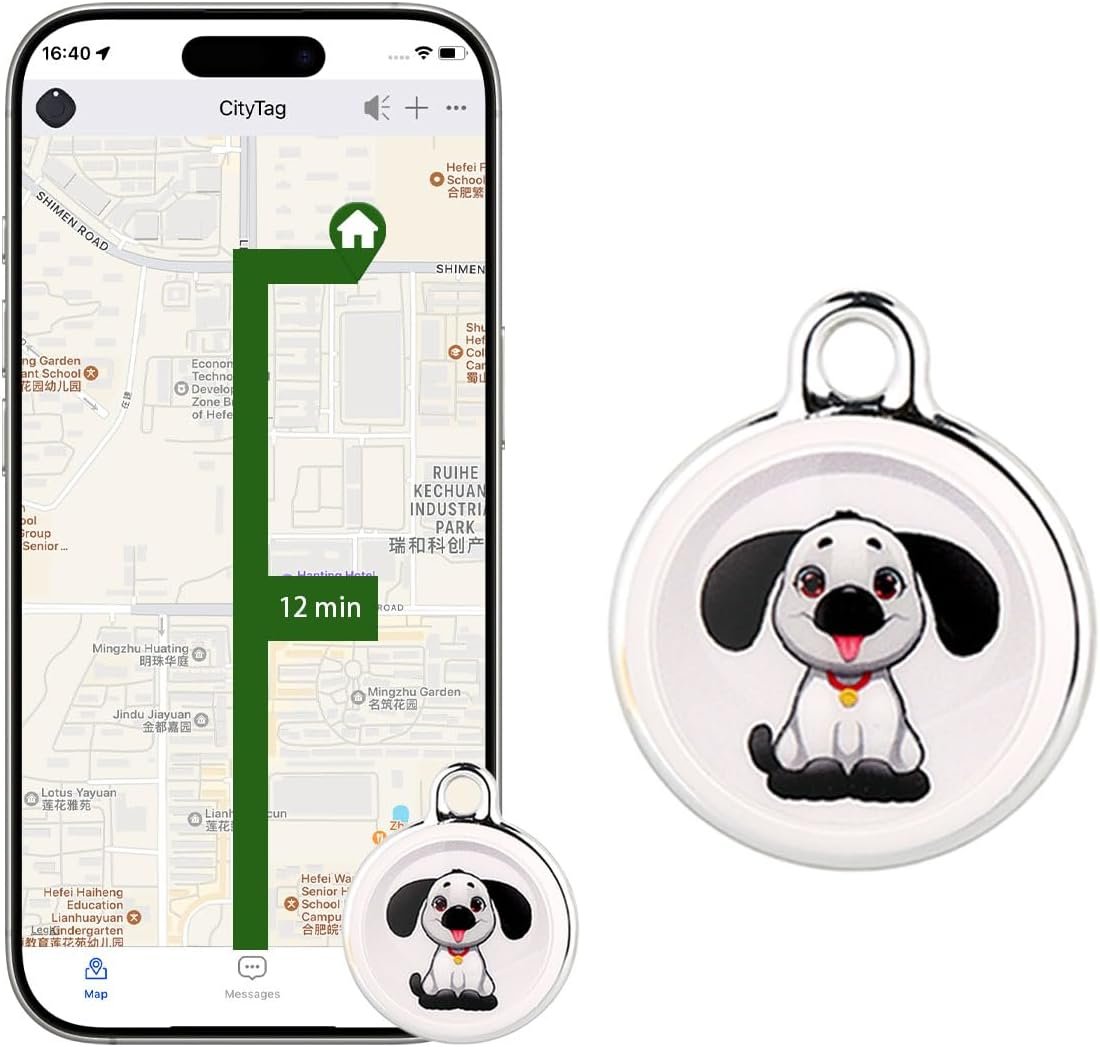
This lets you view your vehicle’s position in real time on your smartphone or computer map.
Key Features to Look For
When selecting a GPS tracker for a vehicle, consider these common and useful features:
1. Real‑Time Tracking
Get up‑to‑the‑minute location updates, often every few seconds, so you always know where the vehicle is.
2. Geofencing Alerts
Set virtual boundaries (like “home,” “school,” or “work”) and get alerts when the vehicle enters or exits these zones.
3. Trip History & Playback
Review past routes, speeds, and locations — helpful for tracking usage or reviewing journeys over time.
4. Driving Behavior Alerts
Advanced models report speeding, harsh braking, and rapid acceleration — useful for safety and efficient fleet use.
5. Battery or Power Options
- Hardwired: Connects to vehicle power for continuous tracking.
- Portable: Battery‑powered and magnetic for temporary placement.
- OBD‑II Plug‑In: Attaches to the car’s diagnostic port for easy installation.
6. App & Notifications
A good tracker comes with a mobile app that shows live location, alerts, trip history, and reports on iOS/Android.
Typical Use Cases
Security & Theft Protection
Foreign governments and transport authorities use GPS trackers to locate lost or stolen vehicles quickly. In Maharashtra, India, police‑monitored tracking devices even include SOS buttons for emergency alerts from vehicles such as buses and taxis.
Family Safety
Parents can see where a teen driver’s car is and receive alerts when it enters or leaves set zones.
Fleet & Business Management
Companies use GPS tracking to monitor delivery vehicles, optimize routes, reduce fuel use, and schedule maintenance more efficiently.
Choosing the Right GPS Tracker
Here are tips to help you pick the best one:
- Update Frequency: Faster updates (every few seconds) are better for theft protection.
- Durability: Look for weather resistance and vibration‑proof builds if mounted outdoors or undercarriage.
- Subscription Service: Many trackers require a monthly plan for cellular data and map services — check prices and coverage before buying.
- Legal Use: Only install trackers on vehicles you own or legally monitor — tracking someone without permission may violate local laws.
Everyday Benefits
- Peace of mind: Know where your vehicle is anytime.
- Quick recovery: Easier to recover vehicles if stolen.
- Better planning: Monitor travel patterns and optimize routes.
- Safety: Get instant alerts about movement or unauthorized trips.
If you want, I can walk you through specific types of vehicle GPS trackers (like hardwired, OBD‑II, or portable) and which one fits your situation best. Just tell me what you plan to use it for!