GPS Tracker – How It Works, What It’s Used For, and How to Choose One
A GPS tracker is a device that uses the Global Positioning System (GPS) to determine its exact location on Earth and then shares that location with you in real time or at set intervals. GPS trackers are widely used for keeping track of vehicles, people, pets, or assets, helping improve safety, efficiency, and peace of mind.
This blog‑style guide explains what GPS trackers are, how they work, common use cases, key features to look for, and tips for choosing the right tracker for your needs.
What Is a GPS Tracker?
A GPS tracker is a small electronic device that:
- Receives signals from GPS satellites to calculate its real‑time position (latitude, longitude, altitude).
- Transmits that position to a server or smartphone app using cellular networks (SIM card), Wi‑Fi, or Bluetooth.
- Lets you view the location on a map via a web portal or mobile app.
Some trackers provide live tracking, alerts for movement, historical routes, speed data, and zone notifications.
How GPS Trackers Work
A GPS tracker typically has three components:
1. GPS Receiver
This receives signals from GPS satellites to calculate precise coordinates, often within a few meters of accuracy.
2. Communication Module
Most trackers use a cellular SIM card to send GPS data over mobile networks. Some use Wi‑Fi or Bluetooth for short‑range or indoor tracking.
3. Power Source
Trackers can be:
- Battery‑powered: Portable and easy to install, but need periodic recharging or battery swaps.
- Hard‑wired: Connected to a vehicle’s power system for continuous operation.
- Rechargeable with long battery life: Can last weeks to months between charges, depending on settings.
Once the tracker transmits data, you can view it in real time or review past routes and positions through an app or web dashboard.
Common Uses of GPS Trackers
1. Vehicle Tracking
Many people and businesses use GPS trackers to:
- Monitor car, motorcycle, truck, or fleet location
- Recover stolen vehicles
- Improve routing for deliveries or work vehicles
- Track mileage and speed
Vehicle trackers often include features like geo‑fencing and alert notifications when movement occurs outside set zones.
2. Personal Safety & People Tracking
GPS trackers can be used to:
- Help keep track of children or elderly family members
- Monitor solo workers or hikers for safety
- Provide location sharing in emergencies
In these cases, trackers may include SOS or emergency alert buttons so the tracked person can call for help quickly.
3. Pet Tracking
Compact GPS trackers can attach to a pet’s collar to:
- See your pet’s real‑time location
- Receive alerts if the pet leaves a safe area (geo‑fence)
- Track movement history
This gives pet owners peace of mind when animals roam in yards or public places.
4. Asset and Equipment Tracking
Businesses use small GPS trackers to monitor:
- Tools and machinery
- Shipping containers
- Trailers and rental equipment
These trackers help reduce loss, monitor usage, and optimize asset deployment.
Key Features to Look For
When choosing a GPS tracker, consider these important features:
Location Accuracy
Good trackers provide accurate location data (within a few meters). Accuracy can vary depending on the tracker’s hardware and environment (e.g., urban areas vs open skies).
Real‑Time Tracking
Live tracking updates at regular intervals (sometimes every few seconds or minutes) so you always know where the device is.
Battery Life
Longer battery life reduces the need for frequent charging. Some trackers last weeks or months on a single charge in low‑power mode.
Geo‑Fencing Alerts
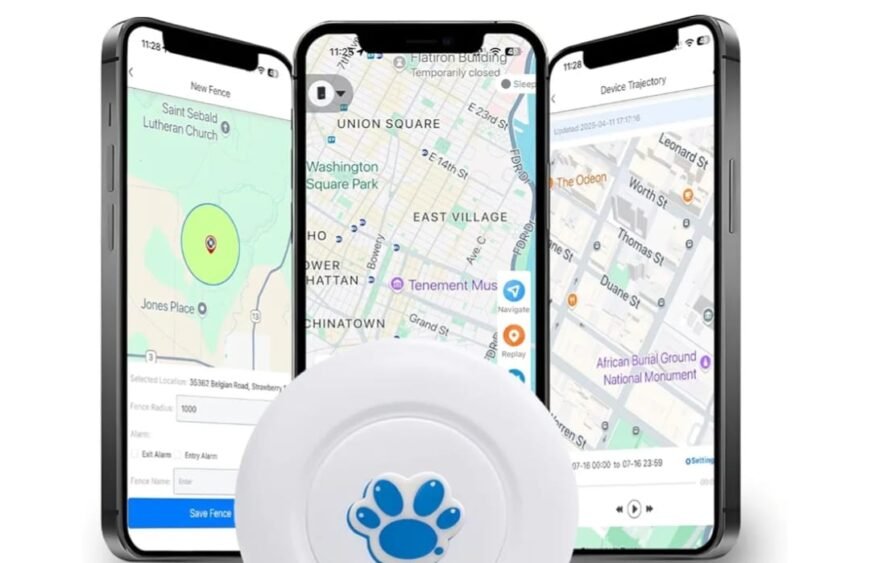
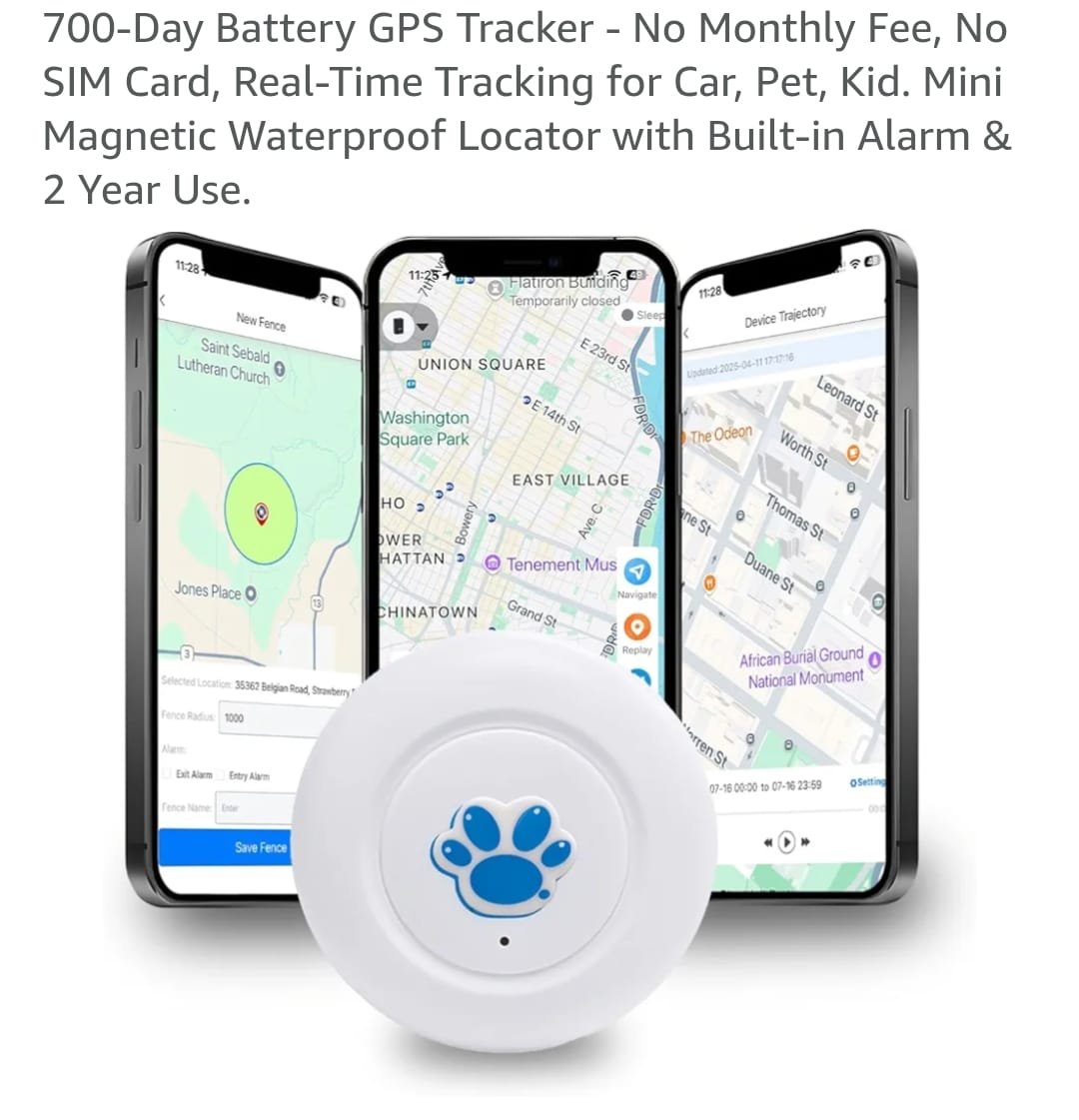
Set up virtual boundaries (safe zones) and get alerts if the device enters or exits those areas.
SOS / Alert Buttons
Useful for personal safety tracking — pressing the button sends an urgent alert with the location.
Waterproof / Rugged Design
Important for pets, outdoor gear, and vehicles exposed to weather.
App & Web Interface
Choose devices with a user‑friendly app and reliable mapping features, live updates, historical routes, and notifications.
Subscription Requirements
Many GPS trackers require a monthly or annual subscription for cellular data service and map access — compare plans before choosing.
Everyday Tracking Scenarios
Family Car Monitoring
A parent can see where a teen driver’s car is in real time and receive alerts if it moves after curfew or exits a designated safe area.
Elder Care
An older adult with memory issues may carry a GPS tracker that family members can monitor for safety and peace of mind.
Pet Outdoor Activity
Attach a pet tracker to a dog’s collar before a walk and check the animal’s location if it strays from view.
Business Logistics
A delivery manager can optimize routes and reduce fuel costs by tracking vehicle positions and travel patterns throughout the day.
Things to Keep in Mind
Network Coverage
Trackers that use cellular networks need good signal coverage in the area being tracked. Rural or indoor areas with weak signal may affect real‑time updates.
Battery & Charging Habits
Battery‑powered trackers require attention to charging schedules. Some models offer power save modes to extend life.
Privacy Considerations
Use GPS tracking responsibly and ethically, especially when tracking people. Ensure individuals are aware of tracking where appropriate and respect privacy norms and legal requirements.
Subscription Costs
Factor ongoing costs (data plans or service fees) into your choice — cheaper hardware may have higher monthly fees.
Final Thoughts
A GPS tracker is a versatile tool that offers location visibility, safety, and peace of mind across personal, family, pet, and business uses. Choosing the right tracker means matching features like real‑time updates, battery life, alerts, and ruggedness to the way you plan to use it.
Whether you’re tracking a vehicle, keeping a watchful eye on a loved one’s safety, or securing valuable assets, a GPS tracker can make monitoring easier, smarter, and more efficient.
If you’d like, I can help with tips on choosing the best GPS tracker for a specific use case — for example, for vehicles, pets, or personal safety — and explain what features matter most for each one. Just tell me your intended use!