Grain Cutting Board — Complete Guide for Your Kitchen
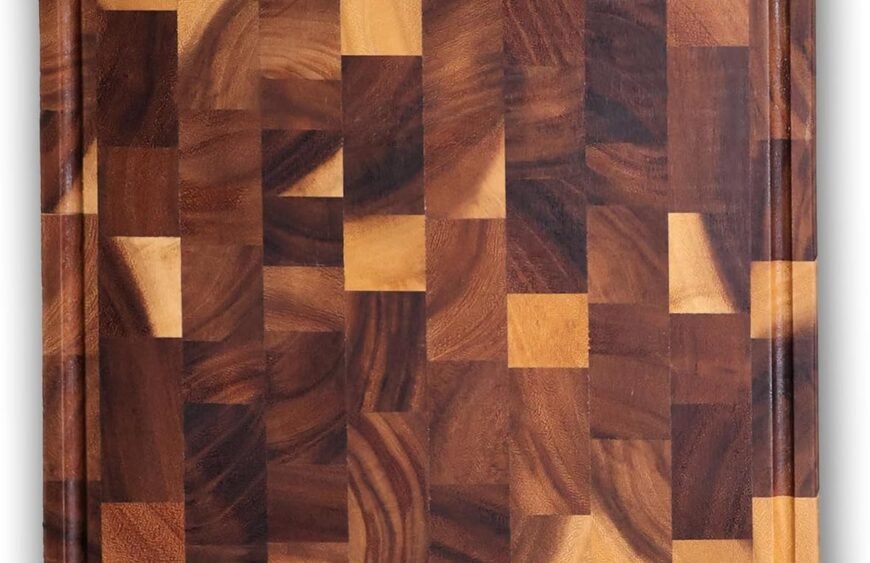
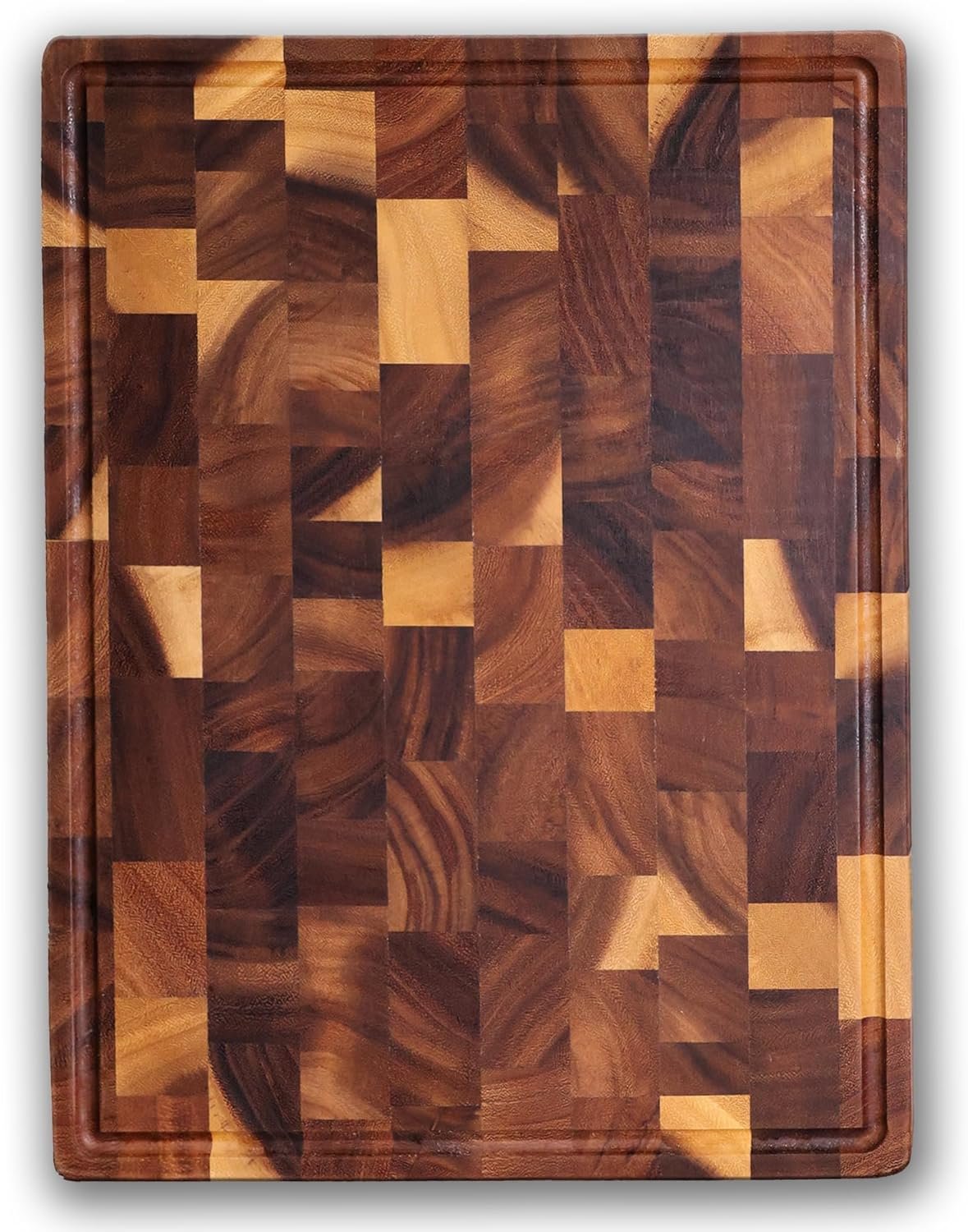
A grain cutting board is a wooden cutting surface made by joining strips or blocks of hardwood together. These boards are durable, knife-friendly, and visually appealing, making them ideal for chopping, slicing, and serving food. They come in two main types: edge grain and end grain, each with distinct properties and uses.
Why Choose a Grain Cutting Board
1. Knife-Friendly Surface
Wood naturally yields to knife edges, which helps preserve sharpness compared to harder surfaces like glass or stone.
2. Natural Antibacterial Properties
Hardwoods such as maple, walnut, and cherry resist bacteria better than some synthetic materials.
3. Aesthetic Appeal
The grain patterns, especially in end-grain boards, are visually striking and can enhance kitchen presentation.
4. Long-Lasting and Repairable
Cuts and scratches can often be sanded away, keeping the board functional and looking new.
5. Multi-Purpose Use
Grain cutting boards can also double as serving boards for cheese, charcuterie, or bread.
Types of Grain Cutting Boards
Edge Grain Boards
- Made from long strips of wood glued side by side.
- Durable, lightweight, and ideal for everyday chopping.
- Slightly harder on knives compared to end grain.
Best for: General kitchen use, vegetables, meat, and fruits.
End Grain Boards
- Wood blocks are arranged with the ends of the fibers facing up.
- Softer on knives and self-healing as fibers close around cuts.
- Heavier and more robust than edge grain boards.
Best for: Heavy chopping, frequent use, and large meal prep.
Common Wood Choices
| Wood Type | Characteristics |
|---|---|
| Maple | Durable, light color, classic choice |
| Walnut | Dark, elegant, slightly softer |
| Cherry | Warm reddish tone, ages beautifully |
| Teak | Water-resistant due to high oil content |
| Acacia | Strong, varied grain patterns |
Hardwoods with tight grain are preferred because they resist moisture and bacterial growth.
Size and Thickness Guide
- Small (12–15 inches): Ideal for quick prep or small kitchens.
- Medium (16–20 inches): Most versatile for chopping, slicing, and serving.
- Large (20+ inches): Best for carving, roasts, or extensive meal prep.
Thickness usually ranges from ¾ inch to 2 inches, with thicker boards offering more stability.
Care Instructions
- Cleaning: Hand wash with mild soap and warm water. Avoid soaking or using a dishwasher.
- Drying: Dry immediately and store upright to allow airflow.
- Conditioning: Apply mineral oil or board cream regularly to prevent cracking and maintain durability.
Avoid exposing the board to prolonged moisture or harsh detergents.
Edge Grain vs. End Grain Comparison
| Feature | Edge Grain | End Grain |
|---|---|---|
| Knife Friendliness | Good | Excellent |
| Durability | High | Very High |
| Weight | Lighter | Heavier |
| Appearance | Linear grain | Checkerboard or unique patterns |
| Price | Affordable | Typically higher |
Using Your Grain Cutting Board
- Chopping & Dicing: Ideal for vegetables, herbs, and meats.
- Serving: Can double as a presentation board for cheese, bread, or appetizers.
- Carving: Large and thick boards provide stability for carving roasts or poultry.
Tip: Place a damp towel underneath to prevent slipping during use.
Summary
A grain cutting board is a durable, knife-friendly, and attractive addition to any kitchen. Edge grain boards are suitable for everyday prep, while end grain boards are ideal for heavy-duty use and longer-lasting performance. Proper care — including regular oiling and careful cleaning — will keep your board functional and looking beautiful for years.