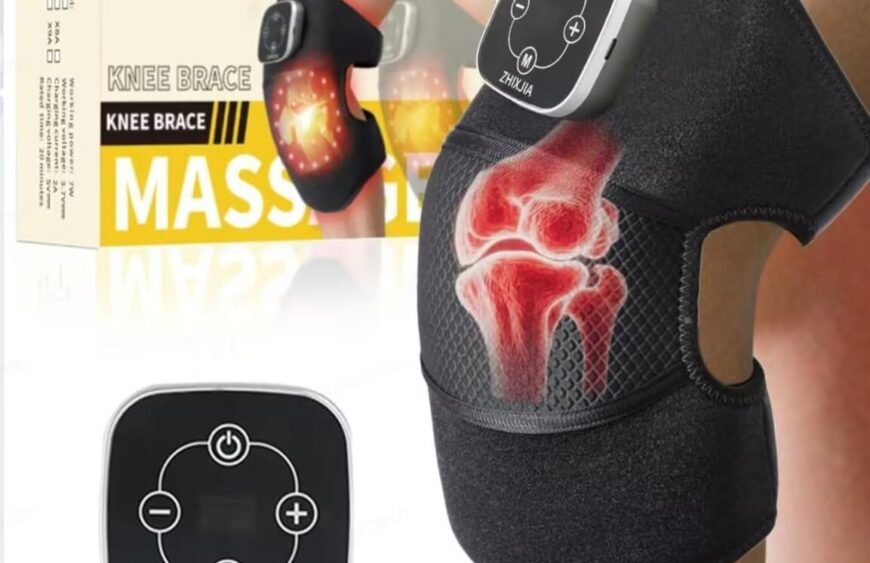
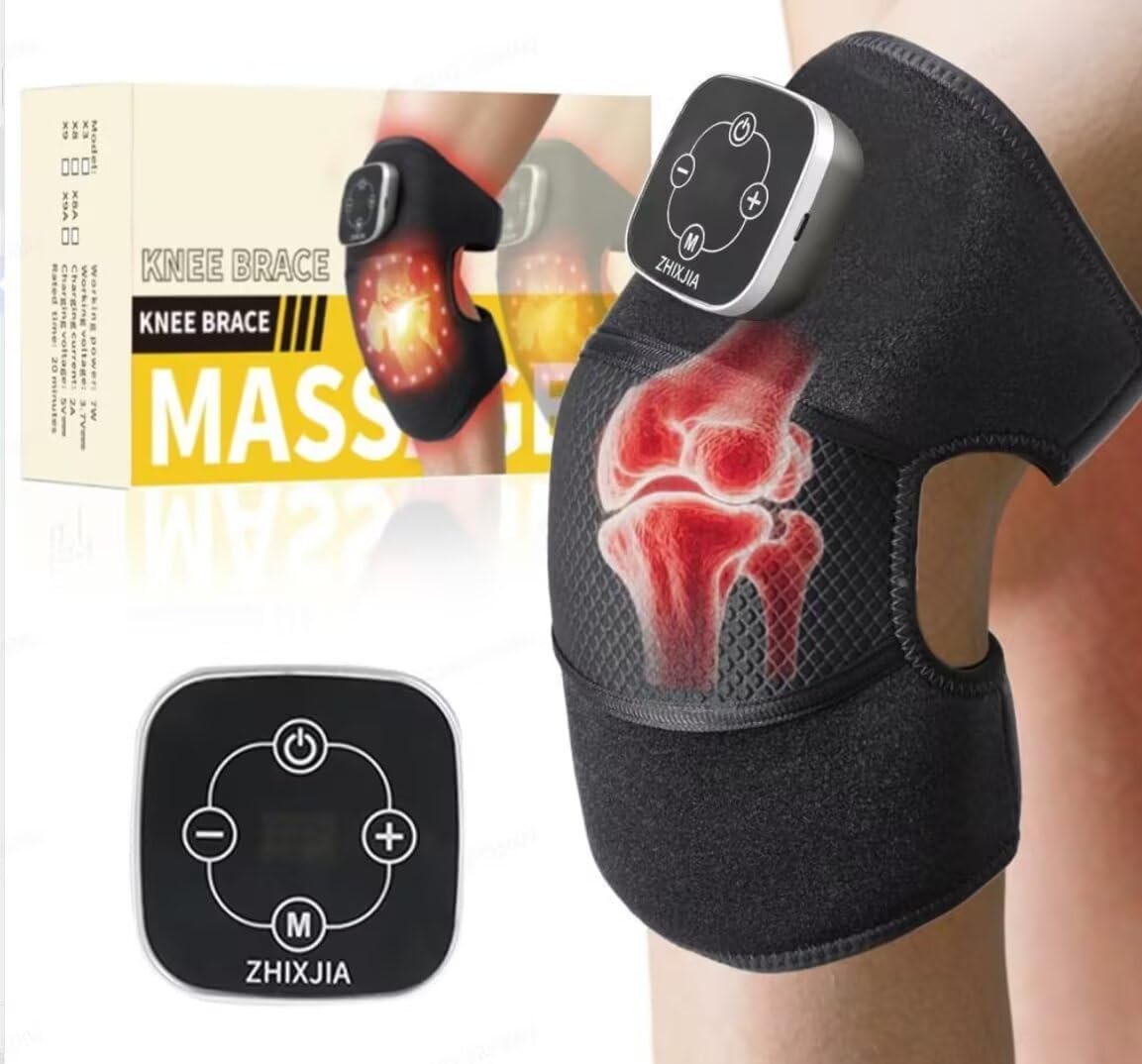
Heated Knee Massager — Complete Guide to Relief, Features & Benefits
A heated knee massager is a therapeutic device designed to help relieve knee pain, stiffness, swelling, and fatigue through a combination of heat therapy and massage techniques such as vibration, compression, kneading, or air pressure. It’s commonly used by people with osteoarthritis, tendonitis, muscle strain, post-exercise soreness, or general discomfort related to prolonged standing or activity.
This comprehensive guide explains what heated knee massagers do, how they work, the benefits, key features to look for, safe use, and who they’re best suited for.
What Is a Heated Knee Massager?
A heated knee massager is a wearable device you strap around your knee. It delivers soothing heat and targeted massage action to improve blood flow, relax muscles, and support joint comfort. Many models are designed for home use, are lightweight and adjustable, and include multiple heat and massage settings so you can tailor the therapy to your needs.
Unlike generic heating pads, these devices are shaped to wrap around the knee and often integrate massage motors or compression chambers that enhance the therapeutic effect.
How a Heated Knee Massager Works
A typical heated knee massager combines:
1. Heat Therapy
Delivering warm, consistent heat to the knee joint helps:
- Relax muscle tension
- Increase circulation
- Reduce stiffness
- Alleviate pain signals
Heat therapy is especially helpful before activity or during colder months when joints can feel tight.
2. Massage or Compression
Depending on the model, the device may include:
- Vibration or kneading massage: Helps ease muscle tension
- Air compression: Rhythmic air pressure that gently squeezes the joint to improve circulation
- Infrared heat: Deep-penetrating warmth that may reach deeper tissues
Together, heat + massage can provide more comprehensive comfort than heat alone.
Benefits of Using a Heated Knee Massager
Pain Relief
Heat and massage help soothe aching joints and reduce discomfort from conditions such as:
- Osteoarthritis
- Tendonitis
- Sprains and strains
- Post-exercise soreness
Improved Circulation
Heat promotes blood flow, which supports nutrient delivery to tissues and helps flush metabolic waste.
Reduced Stiffness and Tension
Warmth combined with massage helps muscles around the knee relax, improving flexibility and decreasing tightness.
Aid Recovery
For people who stay physically active, a heated knee massager can help loosen muscles and reduce soreness after workouts, hikes, or sports.
Comfort for Daily Use
Many people find using a heated knee massager helps them stay comfortable while sitting, working, or watching TV.
Key Features to Look For
To choose an effective heated knee massager, consider the following features:
1. Adjustable Heat Levels
Multiple heat settings let you control temperature (e.g., low, medium, high) so you get just the right amount of warmth.
2. Massage Modes
Look for models with varying massage intensities and patterns (gentle vibration, deep kneading, pulsing compression).
3. Wrap-Around Design
A contoured, adjustable wrap ensures the device fits securely and covers the whole kneecap area.
4. Power Options
- Rechargeable battery: Portable and cordless for ease of use anywhere
- AC power adapter: Constant power for longer sessions at home
5. Remote Control or App
Some massagers include a remote or bluetooth control via an app so you can switch modes without bending or stopping your session.
6. Auto Shut-Off Timer
Automatically turns off after a set time (e.g., 15–30 minutes) for safety and energy efficiency.
7. Comfort Materials
Soft, breathable fabric helps prevent irritation and makes the device comfortable for extended sessions.
How to Use a Heated Knee Massager
- Secure It Properly: Wrap the massager around your knee so the heat and massage elements are centered over the kneecap and the back of the joint.
- Start on Low: Begin with the lower heat and massage settings to see how your knee responds.
- Increase Gradually: If needed, increase heat or massage intensity over time as comfortable.
- Suggested Timing: Most therapeutic sessions range from 10 to 30 minutes. Many devices include an auto shut-off to prevent overuse.
- Use Consistently: For chronic conditions, regular use (daily or several times per week) often gives the best results.
Safety and Precautions
- Avoid High Heat if Sensitive: If your skin is sensitive or circulation is poor, start at a lower temperature and monitor comfort.
- Do Not Use on Broken Skin: Avoid using heat on irritated, bruised, infected, or broken skin.
- Check With Your Doctor: If you have a medical condition such as diabetes, vascular disease, or a neurological impairment, speak with a healthcare professional before use.
- Not a Substitute for Medical Care: Heated knee massagers help with comfort, but they do not replace professional diagnosis or treatment for serious injuries or chronic joint disease.
Who Benefits Most?
Heated knee massagers are useful for:
- Adults with arthritis or age-related knee pain
- People who exercise frequently
- Athletes recovering from workout fatigue
- Those with reduced circulation or seasonal joint stiffness
- Anyone needing soothing warmth and gentle massage around the knee
They are less suitable for people with acute swelling, severe injury, open wounds, or certain circulatory disorders unless cleared by a doctor.
Everyday Tips for Best Results
- Use after gentle movement or stretching — warmth works best when muscles are pre-warmed.
- Pair with hydration and light exercise for circulation benefits.
- Alternate with cold therapy on days when swelling is present, as heat alone may increase inflammation immediately after injury.
- Keep sessions to a comfortable length and avoid using heat while sleeping.
Summary
A heated knee massager provides soothing warmth, massage pressure and comfort for aching knees, whether from activity, age-related conditions, stiffness, or post-exercise soreness. With adjustable heat levels, massage options, and ergonomic design, it’s an accessible tool you can use at home to help promote relaxation, improve circulation, and support joint comfort — especially when used safely and consistently.
If you’d like, I can help you compare key features to watch for when choosing one (such as heat intensity, massage modes, power type and size), or explain how to pair it with simple knee stretches for best relief. Just let me know!