Hidden camera detector
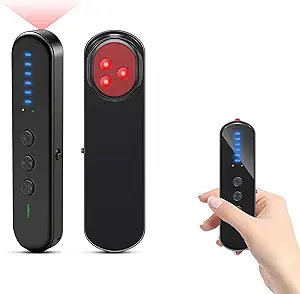
Hidden Camera Detector: Protect Your Privacy and Security
A hidden camera detector is a device designed to help you locate covert recording equipment that may be hiding in your environment. In an age where cameras can be tiny and easily concealed in everyday objects, this tool gives you peace of mind by revealing devices that might be watching or recording without your knowledge.
Whether you’re staying in a hotel, using a rental home, working in a shared space, or just want to check your privacy at home, a hidden camera detector can help you find and identify suspicious cameras quickly and efficiently.
What Is a Hidden Camera Detector?
A hidden camera detector is a compact device that helps locate cameras using one or more detection methods. These gadgets are designed to pick up signals or reflections associated with camera lenses or wireless transmissions.
They are portable, easy to use, and useful in any space where privacy is a concern.
How Hidden Camera Detectors Work
Hidden camera detectors use a combination of technologies to identify cameras:
1. RF (Radio Frequency) Detection:
Many modern hidden cameras transmit data wirelessly (Wi‑Fi, Bluetooth, cellular). RF detectors scan for these signals and alert you if something unusual is transmitting nearby.
2. Optical Lens Reflection Detection:
Camera lenses reflect light differently from other surfaces. Hidden camera detectors often include a light source (usually red LEDs) that reflects off camera lenses, helping you visually locate them in dark areas.
3. Infrared (IR) Detection:
Some detectors use infrared scanning to find cameras that emit or reflect IR light — particularly useful for finding night‑vision equipment.
By using these methods together, a hidden camera detector increases the likelihood of finding concealed cameras and makes it easier to protect your privacy.
When Would You Use a Hidden Camera Detector?
Here are common situations where this device can be especially valuable:
Hotel or Rental Security:
Before settling in, scanning the room ensures there are no unauthorized recording devices.
Office or Shared Workspace:
Protect sensitive conversations or confidential information in shared areas.
Bathrooms & Changing Rooms:
Check for hidden cameras in public or semi‑public spaces where privacy is essential.
Child’s Room or Nursery:
Ensure caregiver or monitoring equipment is intentional and acceptable.
Personal Vehicles:
Scan for unauthorized recording devices that may have been installed without your knowledge.
Key Features to Consider
When selecting a hidden camera detector, keep the following in mind:
Detection Methods:
The best detectors combine RF scanning with optical lens and IR detection for the most thorough results.
Sensitivity Adjustment:
Adjustable sensitivity lets you scan large areas and fine‑tune detection for close checks.
Display and Alerts:
Visual indicators, signal strength meters, or auditory beeps help you locate sources quickly.
Portability and Design:
Compact, handheld designs are easy to carry and use in cars, rooms, or luggage.
Battery Operation:
Portable detectors often run on rechargeable batteries or standard AAA/AA batteries for convenience.
How to Use a Hidden Camera Detector
Using a hidden camera detector is simple and does not require technical expertise:
- Turn On the Detector: Activate the device according to its instructions.
- Scan the Room: Slowly move the detector around walls, corners, vents, and common hiding spots.
- Watch for Alerts: Pay attention to beeps, signal strength changes, or visual reflections.
- Check Suspicious Spots: Test areas like smoke detectors, power outlets, clocks, air purifiers, or decoration objects.
- Verify Findings: If the detector alerts in an area, inspect more closely with a flashlight or camera.
Taking systematic steps increases the chance of finding hidden cameras if they are present.
Common Hiding Places for Hidden Cameras
Hidden cameras can be concealed in many everyday objects. Some common spots include:
- Smoke detectors
- USB chargers or power strips
- Clocks or picture frames
- Stuffed toys and decorative items
- Air vents or light fixtures
- Speakers or Bluetooth devices
- Bathroom fixtures or toiletries
Because cameras can be tiny, scanning thoroughly is important.
Benefits of Having a Hidden Camera Detector
- Privacy Protection: Gives you control over who can record in your space.
- Peace of Mind: Knowing you’ve scanned for hidden devices reduces anxiety.
- Quick Results: Most detectors produce immediate alerts or reflections.
- Portable Safety Tool: Easy to use at home, travel, or work.
- Non‑Technical Operation: No complex setup or expertise required.
Hidden camera detectors empower you to take charge of your environment and feel secure wherever you are.
Final Thought
A hidden camera detector is a simple yet powerful tool for safeguarding your privacy in a world filled with tiny, easily concealed recording devices. By combining RF and optical detection methods, these devices help you detect unwanted cameras quickly and confidently — whether in hotels, offices, rental properties, or personal spaces.
Using a hidden camera detector regularly as part of your privacy routine helps ensure that your space remains safe, secure, and just yours.
Disclosure: As an Amazon Associate, this website may earn a commission from qualifying purchases at no additional cost to you.