Incubator for Hatching Eggs
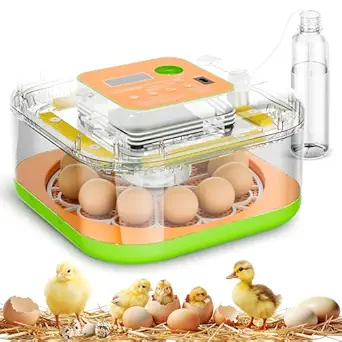
Everything You Need to Know About Incubators for Hatching Eggs: A Comprehensive Guide Introduction
Whether you are a hobbyist chicken keeper, a small-scale farmer, or just someone interested in hatching your own eggs, an incubator is an essential tool in ensuring successful hatching. An incubator creates the ideal environment for eggs to hatch, replicating the natural conditions that a mother hen would provide. But with so many types of incubators available, choosing the right one can be a challenge.
In this comprehensive guide, we’ll cover the different types of incubators, their key features, and how to choose the best one for your hatching needs. We will also dive into the science behind incubation, key tips for successful hatching, and how to maintain and care for your incubator.
What is an Incubator for Hatching Eggs?
An incubator is a controlled environment designed to provide the optimal temperature, humidity, and airflow conditions for incubating eggs. The main purpose of an incubator is to replicate the conditions that a mother hen would naturally provide, ensuring the eggs develop properly and hatch successfully.
Incubators are commonly used in poultry farming, but they can also be used for hatching eggs from other types of birds like ducks, quail, and turkeys. They are designed to maintain a steady temperature (usually between 99-102°F or 37-39°C) and humidity levels (typically 50-65% relative humidity) for the entire incubation period, which usually lasts 21 days for chickens.
Types of Incubators
There are several different types of incubators, each offering unique features. The most common types include:
1. Still Air Incubators
Still air incubators are the simplest and most affordable type of incubator. As the name suggests, they don’t have a fan to circulate air. The eggs are placed in a tray, and the heat source provides warmth to the entire incubator.
Advantages:
- Affordable
- Easy to use
- Low power consumption
Disadvantages:
- Less control over airflow, which may lead to temperature fluctuations
- Requires careful monitoring of temperature and humidity
- Less efficient for larger batches of eggs
2. Forced Air Incubators
Forced air incubators have a built-in fan that circulates warm air throughout the incubator, ensuring even heat distribution. This type of incubator is more efficient than still air incubators because the fan helps maintain a consistent temperature throughout the incubator.
Advantages:
- More consistent temperature and airflow
- Better hatch rates, especially for larger batches of eggs
- Requires less monitoring compared to still air incubators
Disadvantages:
- Slightly more expensive than still air models
- Higher power consumption due to the fan
3. Automatic Incubators
Automatic incubators are the top choice for those looking for ease and precision. These incubators come with advanced features such as automatic temperature and humidity control, egg turners, and digital displays for monitoring conditions. Automatic incubators take much of the guesswork out of the process.
Advantages:
- Fully automated temperature, humidity, and egg turning
- Higher success rates with minimal effort
- Digital readouts for precise monitoring
Disadvantages:
- Expensive
- More complex to set up and maintain
4. HovaBator Incubators
HovaBator incubators are a popular choice for both hobbyists and small-scale farmers. These incubators come in both still air and forced air models, and many have automatic turning features as well. They are well-regarded for their reliability and ease of use.
Advantages:
- Reliable and well-known brand
- Easy to use for beginners and experienced users
- Available in both small and large models
Disadvantages:
- Can be on the pricier side compared to basic models
- Some models lack advanced features
5. Tabletop Incubators
Tabletop incubators are compact and easy to use, making them perfect for smaller batches of eggs. These models are portable and are typically suited for home use or small-scale operations.
Advantages:
- Space-saving design
- Ideal for small batches of eggs
- Affordable
Disadvantages:
- Limited capacity (not suitable for large-scale hatching)
- Less advanced features
Key Features to Look for in an Egg Incubator
When choosing the right incubator, it’s important to consider the following features to ensure the best possible hatch rates:
1. Temperature Control
Maintaining a consistent temperature is crucial for successful hatching. Incubators with built-in thermostats allow you to adjust the temperature easily, while forced air models often have more precise control.
2. Humidity Control
Humidity plays a significant role in the development of the embryo and the hatching process. Some incubators come with built-in humidity control systems, while others may require manual adjustments.
3. Automatic Egg Turning
Egg turning is an essential part of the incubation process. In the wild, a hen will turn her eggs several times a day to prevent the embryo from sticking to the shell. Automatic egg turners rotate the eggs at regular intervals, saving you time and effort.
4. Capacity
Incubators come in a range of sizes, from small tabletop models that hold a few dozen eggs to large-scale machines that can hold hundreds. Consider how many eggs you plan to incubate at once when selecting a model.
5. Airflow
Proper airflow ensures that oxygen reaches the developing embryos. Incubators with forced air circulation ensure even temperature and humidity levels throughout the unit.
6. Display and Monitoring
Digital displays make it easier to monitor temperature, humidity, and other important metrics. Some incubators offer additional features like alarms for temperature fluctuations or low humidity, adding an extra layer of reliability.
How to Use an Incubator for Hatching Eggs
Using an incubator to hatch eggs requires a few essential steps to ensure a successful outcome:
1. Preheat the Incubator
Before placing eggs inside, always preheat the incubator to the desired temperature (usually between 99°F and 102°F for chickens). This ensures that the incubator is ready when you place the eggs inside.
2. Set the Eggs
Place the eggs gently on the egg turner or tray. If using a manual model, ensure the eggs are positioned with the pointed end facing downward. Be sure to mark your eggs to identify the sides to turn.
3. Monitor Temperature and Humidity
Throughout the incubation period, monitor the temperature and humidity levels regularly. The ideal temperature for chicken eggs is 99.5°F with a humidity level of 50-65%. Humidity should be increased during the final few days of incubation to aid in hatching.
4. Turn the Eggs
If your incubator doesn’t have an automatic egg turner, you’ll need to turn the eggs manually several times a day (at least 3 times). Turning the eggs ensures that the embryo develops properly.
5. Wait for the Hatch
The incubation period for chicken eggs is typically 21 days. During the last few days, the eggs will begin to “pip” as the chicks start to break through the shell. Be patient and avoid opening the incubator too early to maintain consistent temperature and humidity.
Conclusion
Choosing the right incubator for hatching eggs is crucial for ensuring successful hatches. Whether you are just starting out with a small hobby farm or you’re looking to increase your egg-hatching success rate, the right incubator will make all the difference. From basic still air models to high-tech, fully automatic incubators, there are options available for every need and budget.
Take the time to evaluate your needs, budget, and the features you require before making a decision. A good incubator will not only help you hatch eggs more efficiently but also ensure the well-being of your future flock. Happy hatching.