Laptop computer with office
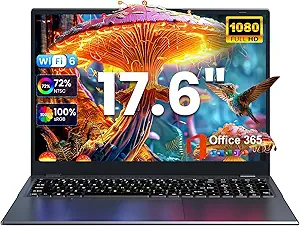
Laptop Computer with Office — Complete Guide to Choosing the Right Setup for Work, Study, and Productivity
A laptop computer with Office refers to a portable computer that either comes pre‑installed with Microsoft Office (or an equivalent office productivity suite) or is intended to be used with Office applications. This combination makes it ideal for business work, school projects, remote work, document creation, spreadsheets, presentations, and everyday productivity.
In this guide you’ll learn what to look for in a laptop for Office use, why Microsoft Office matters, key specs, comparison tables, recommended use cases, and tips for picking the right system for your needs.
Why a Laptop with Office Is a Great Productivity Choice
A laptop equipped for Office work lets you:
- Create and edit documents (Word)
- Build spreadsheets and analyze data (Excel)
- Design compelling presentations (PowerPoint)
- Send and receive business email (Outlook)
- Organize notes and projects (OneNote)
- Collaborate with others in real time
Whether you’re a student, professional, freelancer, or small business owner, having a laptop that seamlessly integrates with Office tools boosts productivity and reduces setup hassles.
What “Office” Means Here
When we talk about Office in this context, it usually means Microsoft Office 365 / Microsoft 365, which includes:
- Word — for writing and formatting documents
- Excel — for spreadsheets and data handling
- PowerPoint — for presentations
- Outlook — for email and calendars
- OneNote — for notes and research
- Access & Publisher (PC only, depending on plan)
Some laptops come with a pre‑installed Microsoft 365 subscription (often 1 year included), while others require you to install Office yourself or use alternatives like LibreOffice or Google Workspace if you don’t need Microsoft’s tools specifically.
Key Laptop Features for Office Work
| Feature | Why It Matters |
|---|---|
| Processor (CPU) | Determines speed when multitasking and handling large files |
| RAM | Affects how smoothly multiple apps run at once |
| Storage (SSD/HDD) | SSDs provide faster file access and boot times |
| Display Size & Quality | Larger, clearer screens improve comfort for long work sessions |
| Keyboard Comfort | Essential for typing documents and data entry |
| Battery Life | Longer battery means more productivity on the go |
| Ports & Connectivity | USB, HDMI, and Wi‑Fi for peripherals and presentations |
| Pre‑Installed Office | Saves setup time and often cost |
Recommended Specifications for Office Laptops
| Usage Level | Minimum Specs | Recommended Specs |
|---|---|---|
| Basic Office & Web | Intel Core i3 / AMD Ryzen 3, 8GB RAM, 256GB SSD | Core i5 / Ryzen 5, 8–16GB RAM, 512GB SSD |
| Business & Heavy Multitasking | Core i5 / Ryzen 5, 8GB RAM, 256GB SSD | Core i7 / Ryzen 7, 16GB+ RAM, 512GB+ SSD |
| Student & Everyday | Core i3 / Ryzen 3, 8GB RAM, 256GB SSD | Core i5 / Ryzen 5, 8–12GB RAM, 512GB SSD |
Explanation
- Processor: Intel Core i5 or AMD Ryzen 5 hits the sweet spot for most users.
- RAM: 8GB is minimum; 16GB helps if you work with large spreadsheets or many tabs at once.
- Storage: SSD (solid‑state drive) dramatically improves performance over older HDDs.
Types of Laptops Suited for Office Use
| Laptop Type | Best For | Typical Features |
|---|---|---|
| Ultrabook / Thin & Light | Portability, travel | Slim design, long battery, SSD |
| Business Laptop | Professional environments | Durable build, security features |
| 2‑in‑1 / Convertible | Flexibility | Touchscreen, tablet mode |
| Budget Laptop | Basic tasks & entry‑level Office | Lower price, essential performance |
| Workstation‑Class | Large datasets & advanced Excel | High‑end CPU, lots of RAM |
Microsoft Office Licensing Options
- Microsoft 365 Personal / Family: Subscription with cloud storage and frequent updates
- Office Home & Student (one‑time purchase): Core apps without ongoing upgrades
- Business Plans: Email hosting, Teams, SharePoint & admin controls
Some laptops bundle a 1‑year Microsoft 365 subscription, which can be cost‑effective compared to buying the suite separately.
Choosing the Right Display
| Display Feature | Benefit |
|---|---|
| Size (13–15.6″) | Comfortable typing and multitasking |
| Resolution (1080p+) | Clearer text and sharper visuals |
| Matte vs Glossy | Matte reduces glare for bright spaces |
| Touchscreen (optional) | Useful for 2‑in‑1 models |
15.6″ full HD (1920×1080) is generally ideal for Office tasks — big enough to see detailed spreadsheets, but not too bulky.
Keyboard, Trackpad, and Ergonomics
When working in Word, Excel, or email for long periods:
- Well‑spaced keys with good travel reduce fatigue
- Backlit keyboard helps in low light
- Responsive trackpad or external mouse support improves efficiency
Business and productivity laptops often have full‑size keyboards and precision trackpads.
Connectivity for Office Use
| Port Type | Use |
|---|---|
| USB‑A | Legacy peripherals, flash drives |
| USB‑C | Fast data transfer, video output, power delivery |
| HDMI / DisplayPort | External monitors and presentations |
| Ethernet (some models) | Wired network for office environments |
| Wi‑Fi 6 / Bluetooth | Faster wireless and accessory support |
Having a mix of USB‑A and USB‑C is ideal so you can connect older accessories and modern devices easily.
Battery Life Expectations
Office use emphasizes all‑day productivity, so aim for:
- 8+ hours for typical work with Office apps, browsing, and video calls
- 10+ hours if you work remotely or travel frequently
Battery life varies with usage, screen brightness, and background tasks.
Everyday Use Cases
Working from Home
- Word documents, Excel reports, PowerPoint presentations
- Video calls and email with Outlook
Students
- Assignments, lecture notes, research browsing
- Group projects and class presentations
Business & Office
- Budgeting, forecasting, scheduling
- Cloud collaboration and Teams meetings
Travel
- Lightweight laptops with long battery life and cloud Office access
Best Practices for Performance and Longevity
- Keep Office and system software updated
- Store files in cloud (OneDrive) for secure access and syncing
- Use antivirus/malware protection to protect sensitive documents
- Close unused apps/tabs to free memory and battery
Quick Comparison: Office Suites
| Office Software | Offline Capabilities | Cloud / Collaboration | Cost |
|---|---|---|---|
| Microsoft 365 | Yes | Yes (Teams, OneDrive) | Subscription |
| Office Home & Student | Yes | Limited | One‑time purchase |
| Google Workspace | Limited offline | Strong cloud | Subscription |
| LibreOffice | Yes | No built‑in cloud | Free |
Microsoft Office remains the most widely supported for business templates, Excel formulas, PowerPoint features, and enterprise collaboration.
Recommended Configurations
Everyday Productivity Laptop
- CPU: Intel Core i5 or AMD Ryzen 5
- RAM: 8–16GB
- Storage: 512GB SSD
- Display: 15.6″ 1080p
- Office: Microsoft 365 included or installed
Business Travel Laptop
- CPU: Intel Core i5 / i7 or Ryzen 5 / 7
- RAM: 16GB
- Storage: 512GB–1TB SSD
- Display: 13.3″–14″ FHD
- Connect: USB‑C, HDMI
Student Workhorse
- CPU: Ryzen 5 or Intel Core i3/i5
- RAM: 8GB
- Storage: 256GB SSD
- Office: Microsoft 365 Student edition
Final Summary
A laptop computer with Office is a powerful combination for productivity, learning, and professional work. The right laptop should balance performance, battery life, comfort, and connectivity — with enough power to handle Word, Excel, PowerPoint, email, and web workflows without slowdown.
When choosing, consider:
- Processor and memory for multitasking
- SSD for fast responsiveness
- Full HD display for clarity
- Ports and wireless connectivity for peripherals
- Office suite options and licensing
With the right setup, you’ll enjoy a responsive system that streamlines work, improves collaboration, and supports your daily productivity needs — whether you’re at home, in the office, or on the move.
*Disclosure: As an Amazon Associate, this content may earn a commission from qualifying purchases at no additional cost to you.*