Lithium Battery
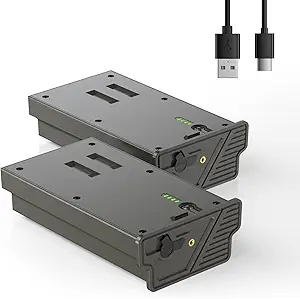
Lithium Battery — High‑Performance Power for Modern Devices
A lithium battery is a type of rechargeable or non‑rechargeable battery that uses lithium, a lightweight and highly reactive metal, as one of its core components. Because of their high energy density, long lifespan, and stable performance, lithium batteries are widely used in everything from small electronics and portable tools to electric vehicles and renewable energy storage systems.
This guide explains what lithium batteries are, how they work, where they’re used, key features, safety tips, and how to choose the right type for your needs.
What Is a Lithium Battery?
A lithium battery stores and releases electrical energy through a chemical reaction involving lithium ions. These ions move between the anode and cathode through an electrolyte during charging and discharging:
- Lithium‑ion (Li‑ion): Rechargeable and most common in consumer electronics and EVs
- Lithium‑polymer (Li‑Po): Rechargeable with flexible form factors
- Primary lithium (non‑rechargeable): Used in watches, remotes, sensors
Rechargeable lithium batteries are usually called Li‑ion (or Li‑Po for polymer variants). Non‑rechargeable lithium cells include CR, BR, and others used in small devices.
How Lithium Batteries Work
Charging:
Electricity pushes lithium ions from the cathode through the electrolyte to the anode, where they are stored.
Discharging:
When powering a device, the ions flow back from the anode to the cathode, producing electrical current.
This reversible movement of ions allows rechargeable lithium batteries to cycle hundreds to thousands of times before capacity significantly declines.
Key Benefits of Lithium Batteries
| Feature | Benefit |
|---|---|
| High Energy Density | More power per weight/volume than many other battery types |
| Rechargeability | Rechargeable models support many cycles |
| Longer Lifespan | Slower capacity loss over time compared to older chemistries |
| Low Self‑Discharge | Retains charge longer when idle |
| Lightweight | Important for portable and mobile applications |
| Fast Charging | Some models support rapid charge profiles |
| Wide Operating Temp Range | Performs well in many environments |
Common Types of Lithium Batteries
Lithium‑Ion (Li‑ion)
- Rechargeable
- High energy and no memory effect
- Used in smartphones, laptops, electric tools, EVs
Lithium‑Polymer (Li‑Po)
- Rechargeable with flexible shapes
- Often lighter and thinner than cylindrical Li‑ion
- Used in drones, wearable tech, tablets
Primary Lithium Cells
- Non‑rechargeable
- Long shelf life
- Types include:
- CR series: Coin cells for watches, remotes
- AA/AAA lithium: Long‑lasting replacements for standard alkalines
- High‑drain lithium cells: For cameras, sensors, medical devices
Real‑World Uses
Consumer Electronics Smartphones, tablets, laptops, wireless earbuds, digital cameras
Electric Vehicles & E‑Mobility Electric cars, e‑bikes, scooters, golf carts
Power Tools Cordless drills, saws, garden equipment
Energy Storage Systems Home battery systems, grid storage paired with solar panels
Portable Medical Devices Monitors, pumps, hearing aids
Wearables & IoT Devices Smartwatches, fitness bands, environmental sensors
Performance Metrics Explained
| Metric | What It Means |
|---|---|
| Capacity (mAh / Wh) | Total energy stored; higher means longer run time |
| Cycle Life | Number of full charge/discharge cycles before capacity drops significantly |
| Energy Density | How much energy per unit volume or weight |
| Charge/Discharge Rates | Speed at which energy can be charged or drawn |
| Voltage | Typical operating voltage affecting device compatibility |
Safety and Handling
Lithium batteries deliver strong performance, but they must be handled and stored responsibly:
Charging Safety
- Use the correct charger designed for the battery type
- Avoid overcharging and unattended charging
- Avoid extreme temperatures during charging
Physical Safety
- Do not puncture or crush cells
- Protect from metal objects that could short terminals
- Dispose of damaged batteries properly
Temperature Control
- Store and operate within temperature ranges specified by the manufacturer
- Avoid ignition sources near batteries
Improper use can lead to overheating, swelling, or, in rare cases, thermal runaway. Manufacturers include safety circuits and protections, but responsible use is essential.
Choosing the Right Lithium Battery
1. Match the Type to the Device
- Rechargeable Li‑ion / Li‑Po for electronics and tools
- Primary lithium cells for infrequent or low‑drain devices
2. Check Voltage and Capacity Requirements Ensure the battery matches device specifications (voltage, size, connector).
3. Look for Certified Quality Choose batteries with proper certifications (CE, UL, IEC) for safety and performance.
4. Consider Form Factor Coin, cylindrical, pouch, or prismatic shapes depending on design needs.
5. Evaluate Lifetime and Warranty Longer cycle life and solid warranty support help justify investment for high‑use devices.
Everyday Charging Tips
- Charge to moderate levels for battery longevity (20–80% for many devices)
- Avoid full discharges where possible
- Use original or high‑quality chargers
- Store unused batteries in a cool, dry place
Myths vs Facts
Myth: Lithium batteries suffer from memory effect.
Fact: Modern lithium chemistries have negligible memory effect compared to older NiCd cells.
Myth: You must fully discharge before charging.
Fact: Partial discharge cycles are fine and often better for battery health.
Myth: All lithium batteries are the same.
Fact: Chemistries and designs vary widely; correct choice depends on application.
Environmental Considerations
Used lithium batteries should never go into household trash. Recycling programs recover valuable metals and prevent environmental harm. Many electronics retailers and recycling centers accept lithium batteries for safe disposal.
Final Summary
Lithium batteries are a cornerstone of modern portable power — lightweight, high capacity, and long‑lasting, with applications ranging from phones and laptops to electric vehicles and energy storage systems. Understanding the types, performance characteristics, safety practices, and appropriate use cases ensures you get the best performance and longevity from your devices.
When choosing a lithium battery or device powered by one, always confirm compatibility, safety certifications, and correct charging methods to maximize both performance and reliability.
*Disclosure: As an Amazon Associate, this content may earn a commission from qualifying purchases at no additional cost to you.*