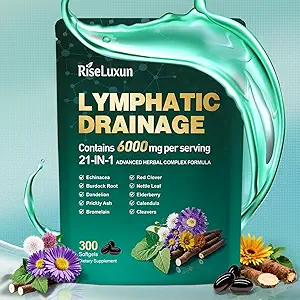
Complete Guide to Lymphatic Drainage Supplements
The lymphatic system is a major part of the body’s circulatory and immune systems. Its job is to transport lymph fluid, waste and toxins away from tissues, support immune function and help maintain fluid balance. Because the lymphatic system doesn’t have a pump like the heart, its flow depends on circulation, movement, hydration and vessel tone — and some people explore supplements as part of a broader approach to support healthy lymph flow and reduce fluid buildup or swelling.
Lymphatic drainage supplements are formulations — usually herbal, nutritional or enzyme‑based — that aim to support circulation, reduce inflammation and improve the body’s natural fluid balance. They’re often paired with lifestyle practices such as hydration, exercise, massage or dry brushing to optimize lymph function.
Why People Consider Lymphatic Drainage Supplements
A healthy lymphatic system is essential for:
- Reducing fluid retention and puffiness in tissues
- Supporting immune response and detoxification pathways
- Promoting circulation and nutrient delivery
- Enhancing overall comfort and wellness
Supplements are not a cure‑all, but they can be part of a holistic routine that includes physical movement and diet to support lymph fluid movement and tissue health.
Key Ingredients in Lymphatic Drainage Supplements
Herbal Support
Many natural compounds are traditionally used to support the lymphatic system and fluid balance:
- Cleavers (Galium aparine): Known in herbal medicine as a “lymph mover,” cleavers stimulates lymph flow and helps eliminate cellular waste.
- Red Root and Red Clover: These herbs may help stimulate lymph drainage and support circulation.
- Burdock Root: Often included for its detoxifying properties, burdock may help cleanse lymph fluid and support fluid movement.
- Dandelion Root: A gentle natural diuretic that can support the body in flushing excess fluid, which indirectly helps lymph fluid balance.
- Ginger and Turmeric (Curcumin): Both herbs contain anti‑inflammatory compounds that help support circulation and reduce inflammation, easing fluid movement through lymph vessels.
Enzymes & Bioactives
- Bromelain: A pineapple‑derived enzyme with potent anti‑inflammatory activity that may help reduce swelling and improve soft‑tissue fluid dynamics.
- Hydroxytyrosol: An antioxidant from olives that supports circulation and may reduce inflammatory mediators affecting lymph flow.
- Hesperidin: A citrus flavonoid that supports vascular health and microcirculation, potentially aiding lymphatic ease.
Vitamins & Minerals
- Vitamin A and Vitamin C: Antioxidants that help maintain healthy connective tissue and immune support, which are important for lymphatic efficiency.
- Magnesium: A mineral that supports muscular relaxation and fluid balance, indirectly aiding lymph movement through improved circulation.
- Omega‑3 Fatty Acids: Anti‑inflammatory fats that promote vessel flexibility and may reduce fluid retention.
How They May Work
Lymphatic drainage supplements often combine diuretic‑like herbs (such as dandelion) with circulation‑supporting botanicals (like cleavers and burdock) and anti‑inflammatory compounds (like ginger and turmeric) to address multiple pathways that influence lymph flow:
- Promote fluid movement: By supporting circulation and mild diuresis, helping reduce tissue heaviness and swelling.
- Reduce inflammation: Chronic inflammation can impede lymphatic function; herbs and enzymes with anti‑inflammatory activity help ease tissue and lymph flow.
- Support connective tissue: Vitamins and antioxidants can help maintain vessel integrity and immune function, which are essential for lymphatic health.
How to Use Supplements Safely
1. Consult a Healthcare Provider: Always talk to a healthcare professional before starting new supplements, especially if you have medical conditions, take medications, or are pregnant or nursing. Herbal ingredients can interact with drugs or affect blood pressure and blood sugar.
2. Combine with Healthy Habits: Supplements work best when paired with hydration, physical activity and circulation‑enhancing practices (like walking, yoga or massage). Movement is fundamental because lymph fluid doesn’t have its own pump and relies on muscle contractions.
3. Be Mindful of Dosages: Follow product label directions and avoid excessive use of diuretic or herb‑based supplements, as misusing them can affect electrolyte balance or cause digestive upset.
4. Use Quality Products: Look for supplements with transparent ingredient lists, standardized extracts and third‑party testing to ensure purity and consistent potency.
Expectations and Limitations
Supplement support for lymphatic drainage should be understood as supportive, not curative. While ingredients like cleavers, burdock and bromelain are traditionally associated with lymph health, scientific evidence varies and many benefits are best achieved as part of a holistic wellness routine. Exercise, hydration, balanced nutrition and therapies like massage are often more effective at stimulating lymph flow than supplements alone.
Final Thoughts
Lymphatic drainage supplements blend herbs, enzymes, nutrients and antioxidants aimed at supporting fluid balance, reducing swelling and maintaining immune‑related functions. Ingredients like dandelion root, cleavers, ginger, turmeric and bromelain are common components believed to aid circulation and lymph fluid movement. These supplements are most effective when used responsibly and combined with healthy lifestyle habits such as regular movement, good hydration and proper nutrition.
If you’d like a detailed comparison of specific lymphatic drainage supplement formulas and what ingredients they include, I can help with that too — just tell me what goals you have (e.g., reducing swelling, detox support, immune health).