massage gun
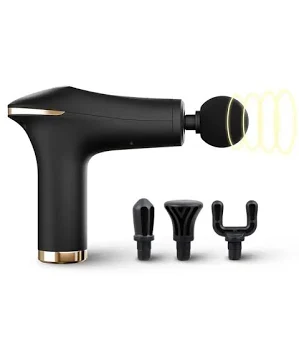
Massage Gun Review: Deep Muscle Relief for Everyday Use
In today’s active lifestyles, muscle tension, soreness, and fatigue are common—whether you’re working out, sitting at a desk all day, or simply dealing with stress. A massage gun has become a go‑to tool for many people looking for fast, targeted relief without a spa visit or professional appointment.
In this review, we’ll explore what a massage gun is, how it works, the key features that matter in real‑world use, and how to choose one that fits your needs.
What Is a Massage Gun?
A massage gun is a handheld device that delivers rapid, percussive pulses to your muscles. Sometimes called a percussive therapy device or deep tissue massager, it uses a motor to produce high‑speed vibrations that penetrate muscle tissue. The result? Enhanced blood flow, reduced tension, and relief from stiffness.
Whether you’re warming up before exercise or recovering afterwards, a massage gun can become an everyday wellness tool.
How It Works
Massage guns use a rapid back‑and‑forth motion—measured in percussions per minute (PPM)—to mimic the feel of a massage therapist’s hands. They often come with interchangeable heads designed for different muscle groups or types of relief.
In everyday use, a massage gun can:
- Relax tight muscles
- Increase blood circulation
- Reduce delayed‑onset muscle soreness (DOMS)
- Help with warm‑up and cool‑down routines
- Improve mobility and flexibility
Most devices are cordless and rechargeable, making them easy to use at home, the gym, or even after travel.
Key Features to Look For
When choosing a massage gun, here are the most important features that impact comfort and performance:
1. Percussion Power and Speed Levels
Massage guns range widely in power:
- Lower speeds (about 1200–1800 PPM) are gentle and great for relaxation
- Mid speeds (2000–2500 PPM) are suitable for warm‑ups and general use
- Higher speeds (2500+ PPM) provide deeper muscle penetration
Multiple speed settings let you customize the intensity depending on your needs.
2. Attachments for Different Muscle Areas
Most massage guns include several attachment heads for different purposes:
- Ball Head: General full‑body use
- Flat Head: Larger muscle areas like back and thighs
- Bullet Head: Targeted deep tissue relief (e.g., knots, trigger points)
- Fork Head: Around spine and shoulders
Having the right attachment makes the massage gun more versatile and effective for different muscle groups.
3. Battery Life and Charging
Battery life is a key practical consideration:
- Long battery life (2–6+ hours) is ideal for frequent use
- USB‑C or quick‑charge support adds convenience
- Removable batteries make long sessions or travel easier
In day‑to‑day use, a long‑lasting battery means you won’t need to recharge after every session.
4. Noise Level
Massage guns can vary from fairly quiet to noticeably loud. If you plan to use your device while watching TV or in shared spaces, choose one with low noise output. Many modern massage guns balance strong percussive power with quieter motors.
5. Ergonomics and Build Quality
Look for:
- A comfortable grip that’s easy on your hands
- A lightweight body if you plan to use it frequently
- Durable materials that stand up to daily use
An ergonomic design helps you reach hard‑to‑access muscles without strain.
Everyday Use: What to Expect
Before or After Workouts
Using a massage gun before exercise can help warm up muscles and increase blood flow, potentially improving performance. After exercise, it can speed recovery by reducing muscle stiffness and soreness.
For Desk Workers
If you spend a lot of hours sitting, especially with poor posture, muscle tightness in the neck, shoulders, and back is common. A massage gun can relieve that tension and even help you relax at the end of the day.
For General Wellness
Even on rest days, percussive massage can boost circulation and promote relaxation—similar to a mini self‑massage session whenever you need it.
Pros and Cons
Pros
- Offers targeted relief exactly where you need it
- Saves time and money compared to professional massages
- Adjustable intensity and attachments for versatile use
- Easily portable for use at home, gym, or travel
- Helps with warm‑up, cool‑down, and recovery
Cons
- Can be expensive compared to basic massage tools
- Strong settings may feel intense for beginners
- Not a substitute for professional medical advice
- Battery life varies by model
Who Should Consider a Massage Gun?
A massage gun is especially useful if you:
- Exercise regularly and experience muscle tightness
- Sit for long periods and want tension relief
- Want a versatile tool for sports, fitness, or recovery
- Appreciate self‑care that fits into a busy lifestyle
It’s not just for athletes—anyone with muscle discomfort or those who value relaxation and recovery can benefit from one.
Final Thoughts
A massage gun is more than a trend—it’s a genuinely useful device for improving muscle comfort and supporting recovery. With adjustable speeds, interchangeable heads, and powerful percussion, most quality massage guns deliver noticeable relief in minutes.
When choosing one, consider your intensity needs, how often you’ll use it, portability, and noise. With the right model, you can enjoy deeper, more relaxed muscles without the hassle or cost of professional treatments.
For everyday use, a well‑matched massage gun becomes a tool you’ll reach for again and again—whether it’s after a long day, a tough workout, or just to unwind.