USB Mini Camera
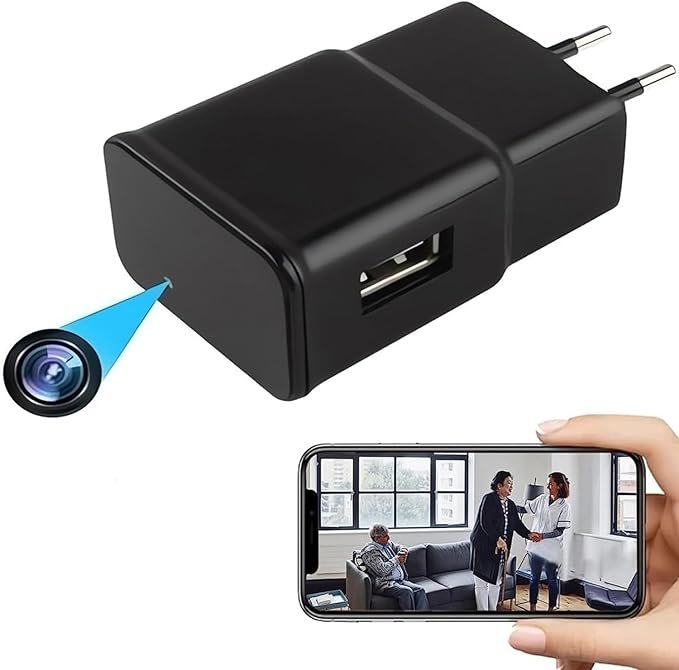
USB Mini Camera: The Complete Guide to Features, Uses, and How to Choose the Best One
A USB mini camera is a small, versatile device designed to capture video and photos while connecting directly to computers, laptops, or other compatible devices via a USB port. These compact cameras are widely used for surveillance, video conferencing, live streaming, content creation, remote monitoring, and many everyday applications where a traditional camera may be too large or impractical.
In this detailed guide, you will learn how USB mini cameras work, their common uses, important features to consider, and how to choose the right one for your needs.
What Is a USB Mini Camera?
A USB mini camera is a compact video camera that connects to a device using a USB cable or port. Unlike built‑in webcams, USB mini cameras usually offer better flexibility, improved image quality, and adjustable placement. They may be small enough to fit in the palm of your hand, mounted on a stand, or tucked into a discreet location for monitoring purposes.
USB mini cameras have become popular because they combine portability, performance, and ease of use, making them suitable for both personal and professional applications.
Common Uses of USB Mini Cameras
Video Conferencing and Online Meetings
With remote work and online collaboration becoming the norm, USB mini cameras are often used to improve video quality during virtual meetings, classes, or interviews. They deliver clearer visuals than many built‑in laptop webcams.
Content Creation and Streaming
Content creators, YouTubers, and live streamers use USB mini cameras to capture high‑quality video for tutorials, unboxing videos, or livestream sessions on social media platforms.
Home and Office Monitoring
USB mini cameras can be used as part of a surveillance setup for home or office monitoring. When placed strategically, they provide a live video feed that helps you keep an eye on important areas.
Security and Remote Monitoring
In combination with monitoring software, USB mini cameras allow remote access to live feeds. This makes them useful for keeping track of pets, children, or valuable spaces when you are away.
Recording and Documentation
These cameras are also used for recording lectures, presentations, interviews, or detailed work processes that require clear video documentation.
Key Features to Consider
When selecting a USB mini camera, several important features help determine its quality, usability, and suitability for your needs.
Resolution and Image Quality
Choose a camera with at least 720p HD resolution for clear video, though many models offer 1080p Full HD or higher for sharper, more detailed footage. Higher resolution is especially useful for recording or monitoring.
Field of View
The field of view (FOV) determines how much of the scene the camera can capture. A wider FOV is helpful for room monitoring or group video calls, while a narrower FOV may be suitable for focused recording or workstations.
Low‑Light Performance
If you plan to use the camera in dim lighting, low‑light sensitivity and night mode features help maintain image clarity without excessive grain or noise.
USB Connectivity and Compatibility
Ensure the camera is compatible with your device’s operating system (Windows, macOS, Linux, etc.). Plug‑and‑play USB connectivity simplifies setup without needing additional drivers or software.
Audio and Microphone Quality
Some USB mini cameras include built‑in microphones, which can be useful for video calls or recordings. However, dedicated external microphones often deliver better audio quality for presentations or content creation.
Mounting Options and Flexibility
Look for models with adjustable stands, clips, or flexible mounts that allow you to position the camera at the desired angle or height.
Advantages of Using a USB Mini Camera
Portability and Ease of Use
USB mini cameras are lightweight and easy to carry, making them ideal for both home and travel use. Plug‑and‑play connectivity makes setup simple, even for beginners.
Versatile Application
Whether you need to improve video call quality, monitor your home, or record tutorials, USB mini cameras adapt to different needs without complex installations.
Improved Video Quality
Compared to built‑in webcams, USB mini cameras often deliver superior video performance with better frame rates, resolution, and clarity.
Cost‑Effective Solution
Many USB mini cameras are affordable yet efficient, offering a balance between price and performance that suits personal and professional users alike.
How to Set Up a USB Mini Camera
- Connect the Camera: Plug the USB cable into the USB port of your computer or compatible device.
- Wait for Recognition: Most systems will automatically detect the camera without needing additional drivers.
- Adjust Position and Angle: Use the clip, stand, or mount to place the camera in the desired location.
- Open Software: Launch your video conferencing app, recording program, or monitoring software and select the USB mini camera as the video source.
- Check Settings: Adjust resolution, brightness, and focus to optimize video quality.
Maintenance and Care Tips
- Clean the Lens: Use a soft, dry cloth to remove dust or smudges for clear video output.
- Avoid Harsh Conditions: Keep the camera away from moisture or extreme temperatures.
- Store Safely: When not in use, unplug and store the camera in a safe, dry place.
- Check Connections: Ensure the USB cable and ports are free from debris or damage.
Conclusion
A USB mini camera is a versatile and practical device that enhances video quality, improves connectivity, and supports a wide range of applications from conferencing to surveillance. With its compact design, plug‑and‑play functionality, and improved performance over built‑in cameras, it offers an effective solution for both personal and professional needs.
Whether you are upgrading your video call setup, creating online content, monitoring your space, or documenting work, selecting a high‑quality USB mini camera with the right features ensures you get reliable performance and clear visuals. By considering resolution, field of view, low‑light capability, and mounting flexibility, you can choose a camera that matches your requirements and elevates your video experience.