Natural Food Colouring – Healthy, Plant‑Based Colours for Your Cooking
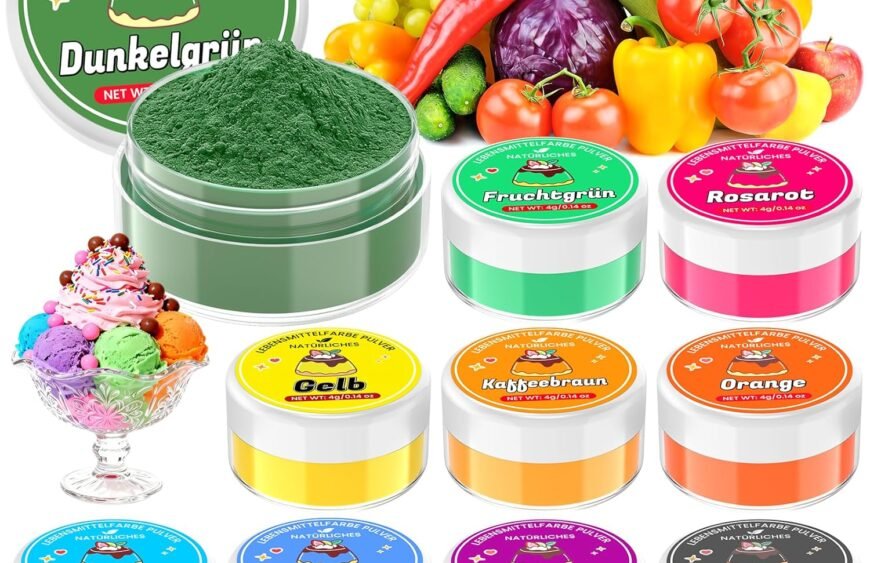
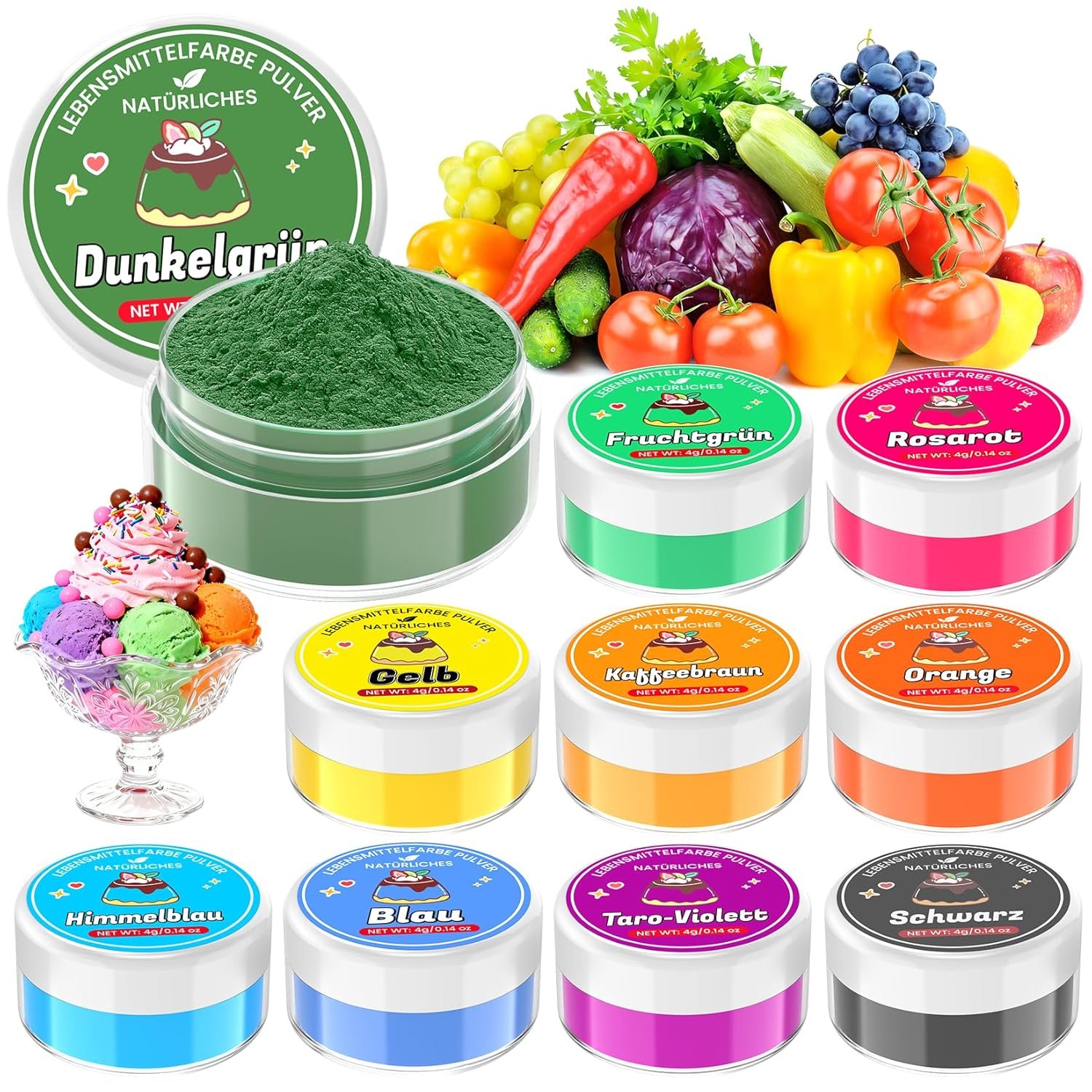
Natural food colouring refers to colouring agents derived from natural sources like plants, fruits, vegetables, algae, seeds, spices, and sometimes minerals or insects. These colourants are used to add vibrant hues to food — from baked goods and sauces to drinks and desserts — without relying on synthetic dyes. Natural food colours are popular because they come from familiar edible ingredients and are perceived as more wholesome and transparent on food labels.
What Is Natural Food Colouring?
Natural food colours are pigments extracted from nature rather than created in a laboratory. They can be used in cooking, baking, confectionery, beverages, and dairy products to give attractive colour while keeping ingredients simple and clean‑label.
Common Natural Sources and Colours
Here are some of the most widely used natural food colouring sources and the shades they produce:
- Beetroot (Red, Pink, Magenta): Beet juice or powder gives rich red to pink tones in icings, frostings, drinks, and desserts.
- Turmeric (Yellow‑Orange): A bright golden yellow often used in curries, rice dishes, sauces, cakes, and drinks.
- Spinach or Chlorophyll (Green): Green colour from leafy vegetables like spinach or extracts of chlorophyll.
- Anthocyanins (Red, Purple, Blue): Found in berries, red cabbage, grapes, and purple sweet potato; these pigments yield red to purple and, in certain conditions, blue hues.
- Annatto (Yellow‑Orange): Extracted from the seeds of the achiote tree, often used for cheeses, snacks, and baked goods.
- Butterfly Pea Flower (Blue‑Purple): A floral extract that changes colour depending on acidity.
- Caramel (Brown to Amber): Produced by heating sugars; a classic colourant in sauces, breads, drinks, and desserts.
Benefits of Using Natural Food Colouring
1. Perceived Health and Safety
Natural colours are obtained from edible, familiar sources and generally free from petroleum‑based synthetic chemicals, aligning with clean‑label preferences. They are often recognised as safe by regulators.
2. Cleaner Ingredient Lists
Foods coloured naturally can be labelled simply (e.g., colored with vegetable juice), which appeals to health‑conscious shoppers.
3. Functional Nutrients
Many natural pigments are rich in antioxidants and phytonutrients — for example, turmeric’s curcumin or anthocyanins in berries — that may contribute health benefits beyond colour.
4. Sustainable and Eco‑Friendly
Natural dyes support renewable sources and are often biodegradable with lower environmental impact compared to synthetic dyes.
Considerations When Using Natural Colours
- Colour Intensity Varies: Natural pigments can be less intense and less stable under heat or light compared with artificial dyes, so you may need larger amounts or recipe adjustments.
- Flavour Impact: Some natural colourants (like beet juice or turmeric) carry mild flavour that can influence the taste of your dish.
- pH Sensitivity: Certain natural colours change depending on acidity — for example, butterfly pea flower can shift from blue to purple with lemon juice.
Where Natural Food Colours Are Used
- Baked goods: cakes, cookies, bread, icing
- Beverages: teas, juices, smoothies
- Confectionery: candies, chocolates
- Dairy: yogurts, ice creams, cheese
- Savory dishes: sauces, rice, pastas
Natural colours bring visual appeal while keeping recipes closer to whole‑food ingredients.
A Note on Industry Trends
Regulatory bodies like the U.S. FDA have recently expanded approvals for natural colour additives — including plant and mineral‑derived dyes such as butterfly pea flower extract and beetroot red — and are allowing products to be labelled as “no artificial colors” even when using approved natural colourants.
Simple Ways to Use Natural Food Colouring at Home
- Beet juice or beet powder for vibrant red and pink in icings and batters
- Turmeric or saffron for deep golden yellow hues in breads and desserts
- Spinach or matcha for green shades in pasta or cakes
- Purple sweet potato or berry extracts for purples and blues
Natural food colouring lets you make eye‑catching, colourful dishes with ingredients you can recognize, bringing health and beauty together on your plate.
If you’d like, I can share DIY natural food colouring recipes for specific colours like red, blue, green, and yellow — just tell me what colour you’re trying to make!