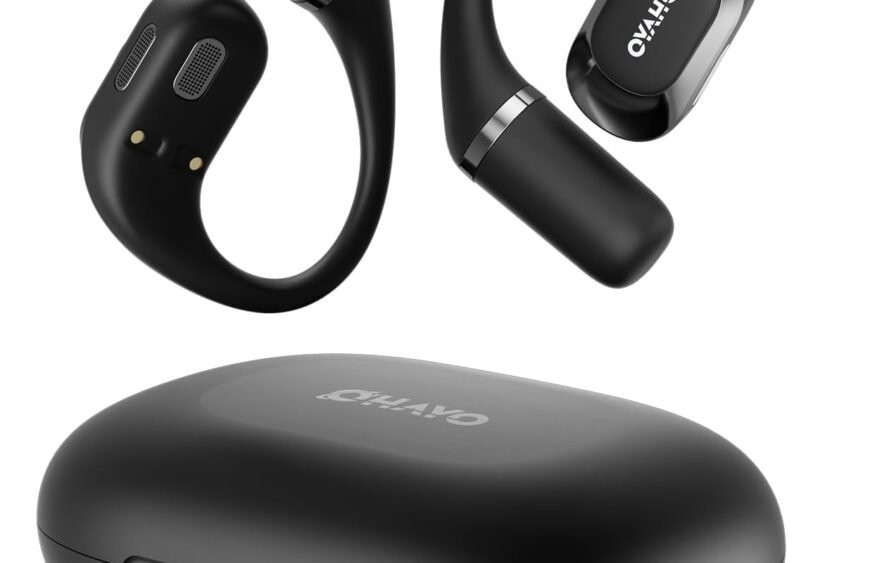
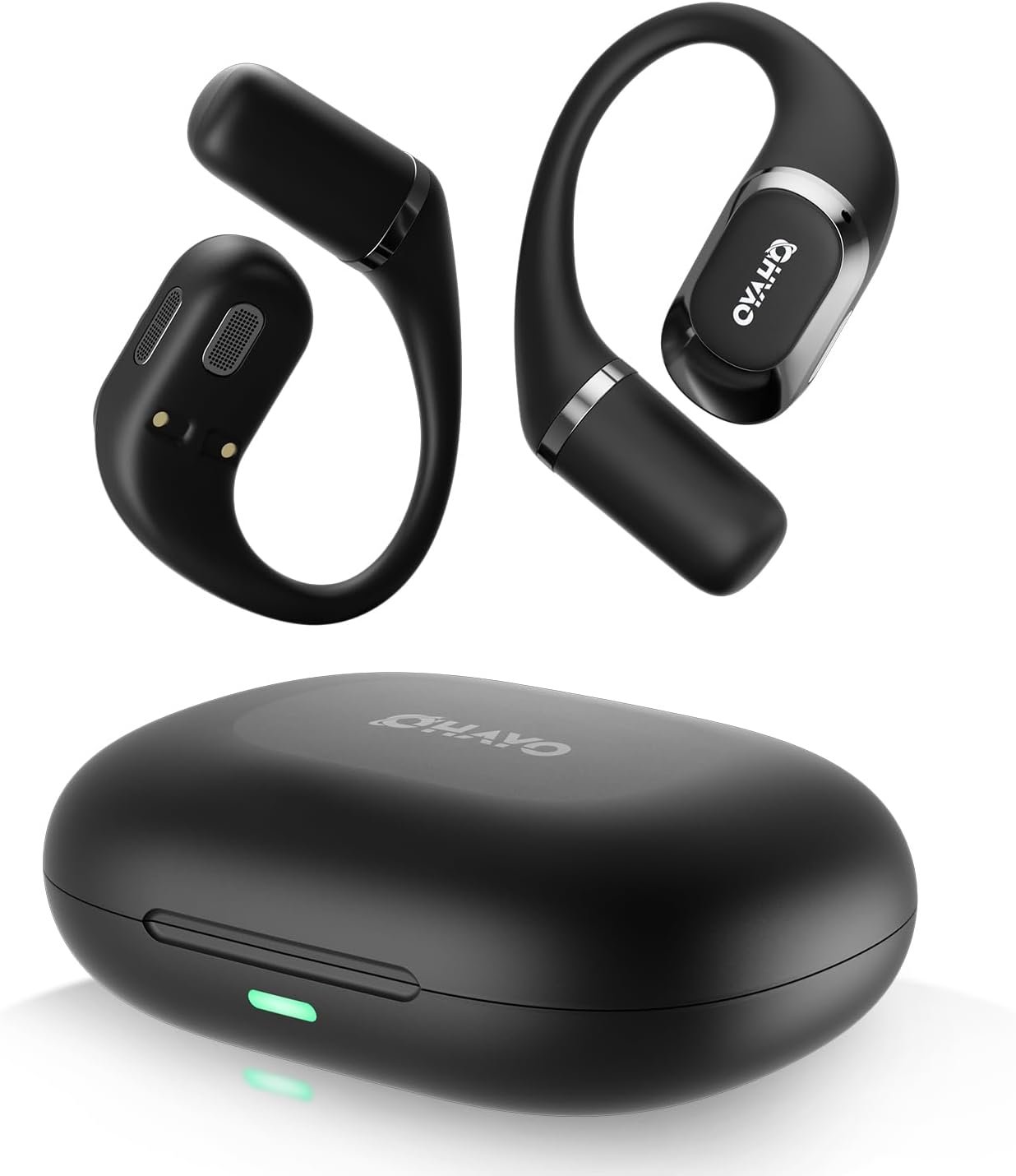
Open‑Ear Earbuds — Complete Guide to Comfortable, Awareness‑Friendly Audio
Open‑ear earbuds are a type of headphone that don’t seal or block your ear canal. Instead of sitting inside the ear, they rest near or over the outer ear, delivering sound without completely covering or plugging the ear canal. This design lets you hear music, calls, or notifications while still staying aware of your surroundings — great for daily use where both audio and environmental awareness matter.
This comprehensive guide explains how open‑ear earbuds work, their benefits, potential drawbacks, and how to choose the right pair for your needs.
What Are Open‑Ear Earbuds?
Open‑ear earbuds sit outside the ear canal, usually resting just outside the ear or against the concha (the outer bowl of the ear). Unlike traditional in‑ear or over‑ear headphones that create a seal for sound isolation, open‑ear models let outside sound in, giving you simultaneous audio playback and ambient awareness.
There are two main styles of open‑ear listening:
1. True Open‑Ear Earbuds
These sit loosely at the entrance of the ear canal or just outside — delivering audio without blocking external sounds.
2. Bone‑Conduction or Air‑Conduction Variants (Related technology)
Some designs actually transmit sound via cheekbones or through small speakers near the ear without inserting anything into the ear canal. While technically different, they share the open‑ear advantage of environmental awareness.
How Open‑Ear Earbuds Work
Open‑ear earbuds use small drivers that project sound toward the ear without sealing it off. Because there’s no snug fit, sound mixes with outside noise — so you hear your media and ambient sounds like traffic, conversations, or alerts.
Closed‑in earbuds isolate sound by blocking the ear canal, which can be great for noise immersion but risks reducing awareness. Open‑ear designs strike a balance between audio and situational awareness.
Key Benefits
1. Situational Awareness
You can hear the environment around you — helpful when walking, riding a bike, or commuting in busy areas.
2. Comfort for Long Wear
No pressure in the ear canal means less ear fatigue or irritation for extended listening.
3. Safer for Outdoor Use
Since ambient sound isn’t blocked, open‑ear earbuds can be safer in environments where you need to hear traffic, alerts, or conversations.
4. Hygiene and Breathability
They don’t insert deep into the ear, reducing sweat and moisture buildup common with sealed earbuds.
5. Easy Entry and Exit
They’re quick to put on and take off without fiddling with ear tips or sealing adjustments.
Potential Drawbacks
1. Lower Bass and Sound Isolation
Open‑ear designs typically don’t deliver deep bass or blocked‑out silence like in‑ear or over‑ear styles, especially in noisy environments.
2. Sound Leakage
Because the ear isn’t sealed, others nearby may hear your audio at higher volumes.
3. Volume Inside May Need Adjustment
You may set volume a bit higher to compensate for ambient noise — it’s important not to exceed safe listening levels.
How to Choose the Right Open‑Ear Earbuds
When comparing models, look for the following:
1. Fit and Stability
Make sure they stay in place while you walk, jog, or move around. Ear shape varies, and good ergonomic design matters.
2. Sound Quality
Open‑ear models vary in audio performance. Look for:
- Balanced mids and highs
- Clear voice quality for calls
- Good driver design (even without deep bass)
3. Battery Life
If wireless, check how many hours per charge you’ll get — most range from ~6–12 hours depending on volume and features.
4. Connectivity
- Bluetooth version: Newer versions (e.g., Bluetooth 5.0+) offer stronger, more stable connections.
- Multipoint pairing: Lets you connect to two devices at once (e.g., phone + laptop).
5. Controls
Physical buttons or touch controls help you manage:
- Play/pause
- Volume
- Calls
- Voice assistant
6. Water Resistance
An IPX rating matters if you’ll use them during workouts or in light rain.
7. Smart Features
Some models include:
- Voice assistant access
- Ambient mode toggles
- Dual‑device support
Everyday Use Cases
Here’s how open‑ear earbuds shine:
Walking or Commuting
You hear your music and ambient sounds (traffic, announcements, people).
Outdoor Exercise
Great for jogging or cycling where awareness of your environment is essential.
Office or Study
Listen to background sound or music while staying aware of colleagues or conversations.
Hands‑Free Calls
Just like traditional earbuds, many open‑ear models support high‑clarity calling and voice assistants.
Safety Tips
- Avoid blocking out all ambient noise in high‑risk areas (busy streets, intersections). Open‑ear design helps, but always stay mindful.
- Keep volume at safe levels — higher volume in noisy settings can still risk hearing strain over time.
- Check fit periodically — if they move during activity, audio quality and awareness can suffer.
Open‑Ear vs In‑Ear and Over‑Ear
| Feature | Open‑Ear Earbuds | In‑Ear Earbuds | Over‑Ear Headphones |
|---|---|---|---|
| Ambient Awareness | Excellent | Poor | Moderate |
| Comfort (long wear) | High | Moderate | Varies |
| Sound Isolation | Low | High | High |
| Bass & Immersive Audio | Moderate | High | High |
| Safety (outdoors) | Better | Risky | Risky |
| Portability | Excellent | Excellent | Moderate |
Open‑ear earbuds are ideal if situational awareness and all‑day comfort are priorities, while in‑ear and over‑ear focus more on sound isolation and immersive audio.
Everyday Tips to Get the Most Out of Them
- Use in quieter environments when possible for clearer audio.
- Pair with your phone or device properly and update firmware if available.
- Keep them clean — wipe ear contact points to prevent build‑up.
- Store them safely in a case to protect from drops and moisture.
Final Thoughts
Open‑ear earbuds are a smart choice for anyone who wants comfortable, aware, and versatile listening without blocking out the world. They’re especially good for outdoor activities, daily commutes, work environments, and users who prefer natural audio experiences with real‑world awareness.
They may differ in sound character from sealed earbuds, but the comfort and safety advantages often make them a preferred daily wearable for many users.
If you want, I can suggest good open‑ear earbud options across different budgets and uses (sport, everyday, premium). Just tell me what matters most (comfort, battery life, call quality, etc.).