Portable Inhaler
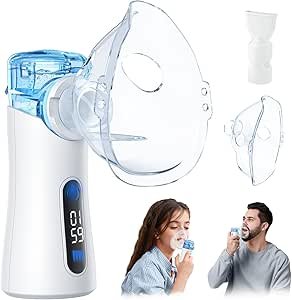
Portable Inhaler: The Complete Guide to Choosing, Using, and Buying the Best
Portable inhalers have transformed the way respiratory conditions such as asthma, COPD, allergies, and bronchitis are managed. Unlike traditional inhalers, portable models are compact, convenient, and designed for everyday use, giving users freedom without sacrificing effectiveness.
In this in-depth guide, we will explain what a portable inhaler is, how it works, who needs one, benefits, types, how to choose the best one, usage tips, common mistakes, safety considerations, and answers to frequently asked questions.
Whether you are personally managing a respiratory condition or are creating affiliate content to help customers make a smart purchase, this guide will serve as a cornerstone resource.
What Is a Portable Inhaler?
A portable inhaler is a handheld medical device that delivers medication directly into the lungs via inhalation. These devices are designed to be compact and easy to carry so that users can manage symptoms on the go without relying on bulky medical equipment.
Portable inhalers are commonly used for:
- Asthma relief
- Chronic Obstructive Pulmonary Disease (COPD)
- Seasonal allergies
- Respiratory flare-ups triggered by exercise, pollution, or cold air
Unlike nebulizers that require power sources and more complex setup, portable inhalers are lightweight and ready to use at any moment.
How Do Portable Inhalers Work?
Portable inhalers deliver medication using one of the following methods:
Metered-Dose Inhalers (MDIs)
MDIs use a pressurized canister to spray a fine mist of medicine that the user inhales. They are commonly used for quick-relief medication.
Dry Powder Inhalers (DPIs)
DPIs release medication as a dry powder that reaches deep into the lungs when the user inhales forcefully.
Soft Mist Inhalers
These devices create a slow-moving mist without propellants, making them easier to inhale for some users.
The effectiveness of a portable inhaler depends on proper technique, timing, and device maintenance.
Who Needs a Portable Inhaler?
Portable inhalers are recommended for:
- Individuals diagnosed with asthma
- People with COPD or chronic bronchitis
- Those who experience exercise-induced bronchospasm
- Allergy sufferers experiencing respiratory symptoms
- Individuals exposed to environmental triggers such as pollution and smoke
It is important to consult a healthcare provider before using any inhaler for medical conditions.
Benefits of a Portable Inhaler
Immediate Symptom Relief
Portable inhalers deliver medication directly to the airways, providing fast relief from wheezing, shortness of breath, coughing, and congestion.
Easy to Carry and Use
The compact design ensures the inhaler fits easily in a purse, pocket, or backpack.
No Power Source Needed
Unlike nebulizers or oxygen concentrators, portable inhalers do not require electricity or batteries, making them ideal for travel and daily use.
Targeted Drug Delivery
The medication reaches the lungs directly, reducing systemic side effects.
Trusted Treatment Option
Portable inhalers have been prescribed by healthcare professionals for decades, with proven effectiveness and safety when used correctly.
Types of Portable Inhalers
Metered-Dose Inhalers (MDI)
MDIs deliver medication as a pressurized spray and are often the most widely prescribed type. They may require coordination between pressing and inhaling.
Pros:
- Fast relief
- Commonly prescribed
- Works well with spacers
Cons:
- Requires proper technique
Dry Powder Inhalers (DPI)
DPIs release medication as powder activated by the user’s inhalation.
Pros:
- No coordination needed
- Easy breath activation
Cons:
- Requires a strong inhalation
Soft Mist Inhalers
Soft mist inhalers produce a slow, fine mist without propellant.
Pros:
- Suitable for all ages
- Easy to inhale
Cons:
- Slightly larger design
How to Choose the Best Portable Inhaler
Choosing the right portable inhaler depends on several factors:
Compatibility With Medication
Ensure the inhaler is approved for the specific medication prescribed or recommended for your symptoms.
Ease of Use
Look for devices with clear instructions and minimal technique requirements, especially for seniors or children.
Size and Portability
Smaller, lightweight models are ideal for daily carry.
Maintenance and Durability
Devices that are easy to clean and maintain will provide more reliable long-term use.
Cost and Value
Compare prices along with warranty or refill cartridge availability.
Reviews and Ratings
Checking verified customer reviews can help you understand real-world performance.
Based on these criteria, here is one recommended portable inhaler model:
Portable Inhaler Model ABC
Features:
- Compact handheld design
- Easy-to-use mechanism
- Effective dry powder delivery
- Suitable for daily use
Check the current price and availability here:
Affiliate Link Placeholder
This model has been chosen for its combination of convenience, performance, and user satisfaction.
How to Use a Portable Inhaler Correctly
Correct usage ensures maximum medication delivery:
- Remove the cap and shake the inhaler (if required).
- Exhale fully away from the device.
- Place the mouthpiece in your mouth and seal your lips around it.
- Inhale slowly and deeply while pressing the device (MDI) or activating the breath (DPI).
- Hold your breath for a few seconds to allow the medication to settle in the lungs.
- Exhale slowly and replace the cap.
Always follow specific instructions provided with your device or from your healthcare provider.
Common Mistakes to Avoid
Not Shaking the Device (MDIs)
Failing to shake an MDI before use can affect medication delivery.
Poor Inhalation Timing
Inhaling too fast or too slow can reduce effectiveness.
Not Cleaning the Inhaler
Regular cleaning prevents clogging and ensures consistent performance.
Skipping Follow-Up Medication
Some conditions require scheduled medication even when symptoms are not present.
Safety Considerations
While portable inhalers are generally safe when used properly, keep the following in mind:
- Use only as directed by a healthcare provider.
- Do not share your inhaler with others.
- Store inhalers in a cool, dry place.
- Check expiration dates regularly.
- Report any unusual symptoms to a medical professional.
Portable inhalers should be part of a broader treatment plan tailored to individual health needs.
Portable Inhaler vs. Nebulizer: What’s the Difference?
| Feature | Portable Inhaler | Nebulizer |
|---|---|---|
| Portability | Highly portable | Less portable |
| Power Requirement | No power needed | Requires electricity/battery |
| Treatment Time | Quick | Longer sessions |
| Target User | On-the-go relief | Home or clinical use |
| Cost | More affordable | Often higher cost |
Both devices serve to deliver medication to the lungs, but portable inhalers are more practical for everyday use.
Frequently Asked Questions (FAQ)
Are portable inhalers effective?
Yes. When used correctly and with the right medication, portable inhalers deliver medication quickly and directly to the lungs.
Can anyone use a portable inhaler?
Portable inhalers should only be used under the guidance of a healthcare provider.
Do portable inhalers expire?
Yes. Always check the expiration date and replace cartridges or devices as recommended.
Can children use portable inhalers?
Yes, when prescribed and with proper technique or spacer devices if needed.
How often should I clean my inhaler?
Cleaning frequency depends on the type of inhaler. Follow manufacturer instructions.
Final Verdict
Portable inhalers are an essential tool for managing respiratory conditions with convenience and reliability. They offer immediate relief, are easy to use, and can fit into daily life without the need for bulky equipment. When choosing the right device, focus on ease of use, compatibility, reliability, and user reviews.
If you want seamless, on-the-go relief backed by modern device design, a portable inhaler is a smart investment.