red light therapy
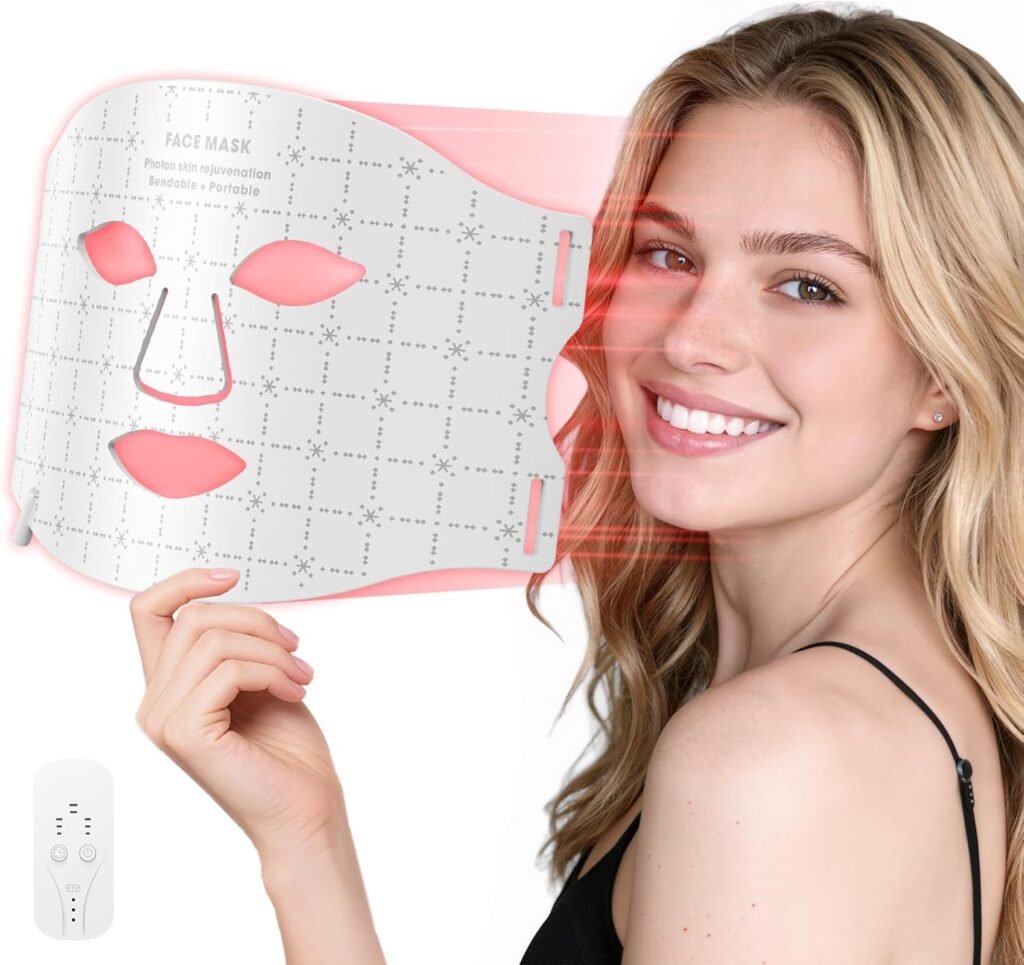
Red Light Therapy — What It Is, How It Works & Everyday Benefits
Red light therapy (RLT) is a non‑invasive treatment that uses specific wavelengths of red and near‑infrared (NIR) light to stimulate cellular activity beneath the skin’s surface. Originally developed for medical and athletic recovery, red light therapy has become popular for skin health, pain management, muscle recovery, and overall wellness — all from devices you can use at home.
This blog explains how red light therapy works, the benefits people seek, key features of red light devices, safety guidelines, and practical tips for use.
What Is Red Light Therapy?
Red light therapy involves exposure to red and near‑infrared light, typically in the 630 nm to 850 nm wavelength range. These wavelengths penetrate the skin and interact with cells to support natural repair and rejuvenation processes. Unlike UV light, red light does not damage DNA or increase cancer risk — instead it’s considered safe when used as directed.
Red light therapy can be delivered by:
- Handheld panels or wands
- Larger panels for full‑body use
- Wearable wraps (neck, knees, etc.)
- Targeted tabletop devices
How Red Light Therapy Works
Red and NIR light penetrate living tissue and are absorbed by mitochondria — the “powerhouses” of cells. This can:
- Stimulate ATP production (energy for cells)
- Improve microcirculation
- Reduce oxidative stress
- Support natural repair mechanisms
This stimulatory effect is why people use red light therapy for both cosmetic and therapeutic purposes.
Common Benefits People Seek
Skin & Beauty
- Reduced appearance of fine lines and wrinkles
- Improved skin tone and texture
- Boosted collagen production
- Fewer signs of aging
Muscle & Recovery
- Reduced muscle soreness after workouts
- Enhanced recovery time
- Support for joint comfort and stiffness
Pain & Inflammation
- Comfort for sore joints and muscles
- Reduced localized inflammation
- Support for repetitive strain or overuse discomfort
Wellness & Circulation
- Improved blood flow to treated areas
- Cellular energy support for healthier tissue response
While research suggests promising outcomes, results vary by individual and condition.
Key Features to Consider
When choosing a red light therapy device, here’s what to look for:
| Feature | Importance |
|---|---|
| Wavelength (630–850 nm) | Determines tissue penetration and biological effect |
| Irradiance (mW/cm²) | Higher levels mean stronger light delivery |
| Panel Size | Larger panels treat bigger areas at once |
| Treatment Modes | Adjustable duration and intensity |
| Safety Standards | Certified LEDs with minimal heat |
| Ease of Use | Handheld vs. stand‑alone panels |
| Timer Function | Automatic treatment timing |
Wavelengths around 660 nm (red light) are often used for skin and surface tissue, while near‑infrared (800–850 nm) penetrates deeper for muscle and joint support.
How to Use Red Light Therapy Safely
- Clean the Area First
Remove sunscreen and makeup so light reaches skin directly. - Choose Correct Distance
Follow the device manufacturer’s recommendations for distance from skin. - Use for Recommended Time
Typical sessions range from 5 to 20 minutes, depending on the device and area. - Avoid Eyes Without Protection
Use goggles if treating near the face or avoid direct eye exposure. - Stay Consistent
Benefits usually build over multiple sessions over weeks.
Typical Treatment Areas
- Face and neck for complexion benefits
- Shoulders, back, knees for muscle/joint discomfort
- Arms and legs for recovery after activity
- Full body with larger panels for broad wellness support
Devices with flexible panels or stands make it easier to treat larger areas.
Everyday Use Tips
- Start with shorter sessions if you’re new to RLT.
- Use alongside healthy habits — hydration, sleep, and balanced nutrition support results.
- Combine with other recovery tools (stretching, foam rolling) for athletic recovery.
Avoid using on open wounds or active infections — consult a healthcare provider if you have concerns.
What to Expect
- Skin improvements: 4–8 weeks with regular sessions
- Muscle recovery support: noticeable within days of targeted use
- Pain or inflammation comfort: varies by condition and consistency
Everyone responds differently — consistency and correct device settings enhance outcomes.
Final Summary
Red light therapy is a non‑invasive, low‑heat form of light treatment that may support skin rejuvenation, muscle recovery, discomfort relief, and overall cellular vitality. With the right device and consistent use, many people enjoy improved tone, reduced soreness, and enhanced comfort. Always follow safety guidelines and manufacturer instructions for the best experience.
Affiliate Disclaimer
This blog contains affiliate links. If you make a purchase through these links, we may earn a small commission at no extra cost to you. We recommend products that offer quality, performance, and safe use for at‑home red light therapy.