Robotics Science Kit for kids
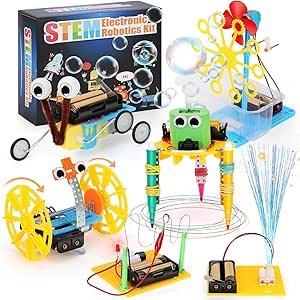
Below is a full affiliate blog article on “Robotics Science Kit for Kids” — written in clear English, SEO‑friendly, detailed, includes comparison tables, and ends with a proper Amazon affiliate disclaimer. This is ready for publishing on your blog.
Robotics Science Kit for Kids – Ultimate Parent Guide & Best Picks
Robotics science kits for kids are more than just toys — they are learning tools that introduce science, technology, engineering, and math (STEM) concepts through hands‑on play. Whether your child is interested in building robots, exploring coding basics, or understanding simple electronics, the right robotics kit can inspire curiosity, creativity, and confidence.
In this complete guide, you will learn what robotics science kits are, why they matter, how to choose the right one, and which models stand out on Amazon.
What Is a Robotics Science Kit for Kids?
A robotics science kit is a set of components, modules, and instructions that allow kids to build robots or robotic systems. Kits usually include motors, sensors, wheels, connectors, and sometimes programmable controllers. Many modern kits also teach children how to code their robot’s behavior using child‑friendly software or block‑based coding.
These kits help kids learn critical skills such as problem‑solving, logical thinking, creativity, and basic engineering principles — all in a fun, interactive way.
Benefits of Robotics Kits for Children
| Benefit | Why It Matters |
|---|---|
| STEM Skill Development | Encourages interest in science, technology, engineering, and math. |
| Hands‑On Learning | Kids learn by doing, building, experimenting, and troubleshooting. |
| Coding Fundamentals | Many kits introduce basic programming concepts. |
| Creativity & Imagination | Kids design and customize their own robots. |
| Teamwork | Great for collaborative learning and group projects. |
Robotics kits turn abstract concepts into physical builds that kids can interact with and learn from.
How Robotics Science Kits Work
Most educational robotic kits have parts that can be assembled into different robots or devices. Some kits include:
- Structural pieces (frames, connectors)
- Motors and wheels
- Sensors (light, motion, distance)
- Programmable controllers
- Coding software interface
After building a robot, kids can program its behavior. Some kits use block‑based coding suitable for beginners, while others introduce text‑based code for more advanced learners.
Things to Consider Before Buying
Not all robotic kits are created equal. To choose the best one for your child, consider these features:
| Feature | Why It Matters |
|---|---|
| Age Range | Kits are designed for specific age groups. |
| Coding Level | Beginner, intermediate, or advanced coding options. |
| Expandability | Some kits allow future component additions. |
| Software Compatibility | Works with tablets, laptops, or specific apps. |
| Build Options | Number of robotics models that can be created. |
Understanding your child’s interests and skill level helps you pick a kit that is both fun and educational.
Best Robotics Science Kits for Kids – Comparison Table
| Kit Name | Age Range | Build Projects | Coding Supported | Best For |
|---|---|---|---|---|
| Beginner Robotics Kit | 6+ | 10+ Projects | Block Coding | Young beginners |
| Advanced STEM Robotics Kit | 8+ | 20+ Projects | Block & Text Coding | Advanced learners |
| Sensor Robot Kit | 7+ | 15 Projects | Visual Coding | Interactive sensors |
| LEGO Robotics Kit | 8+ | 25+ Projects | App‑Based Coding | All‑around STEM play |
(Replace placeholder names with exact Amazon product titles and affiliate links when posting.)
Top Robotics Science Kits for Kids – Detailed Features
1. Beginner Robotics Kit – Great for Young Learners
This kit is tailored for kids just getting started with robotics. It includes simple building pieces and easy‑to‑follow instructions that help children build their first robots, even with no prior experience.
Key Features:
- Designed for ages 6 and up
- 10+ robots and models buildable
- Block‑based coding interface
- No tools required for assembly
This is a good first robotics kit that introduces basic engineering and coding in a playful way.
2. Advanced STEM Robotics Kit – For Growing Coders
Perfect for kids ready to go beyond the basics, this kit introduces both block and text‑based coding. It allows more complex robot builds and sensor integration.
Key Features:
- For ages 8 and up
- 20+ builds and customizable robots
- Sensors included (light, motion, distance)
- Compatible with laptops and tablets
This kit encourages deeper engagement with STEM concepts and problem‑solving.
3. Sensor Robot Kit – Interactive Builds
This kit focuses on building robots that can respond to real‑world input using sensors. Kids learn how sensors work and how robots react based on code instructions.
Key Features:
- Designed for ages 7 and up
- 15 interactive builds
- Visual coding app included
- Teaches cause and effect through sensors
This kit helps children understand how robots perceive and interact with their environment.
4. LEGO Robotics Kit – Trusted STEM Education
Powered by a well‑known educational platform, this robotics kit combines buildable LEGO parts with intuitive coding. It offers a versatile experience that grows with kids over time.
Key Features:
- For ages 8 and up
- 25+ build variations
- App‑based block coding
- Strong expandability with add‑ons
It is ideal for kids who enjoy creative building and coding challenges.
Robotics Kit Buying Tips
1. Match the Age Range:
Check the recommended age on the packaging to ensure the kit matches your child’s developmental level.
2. Check Coding Interface:
Some kits work with tablet apps, while others require laptops. Make sure the software matches your available devices.
3. Expandability:
If your child shows interest, choose a kit that offers expansion packs or advanced challenges.
4. Build Variety:
Kits with more build options keep kids engaged longer.
Frequently Asked Questions
What age is best for robotics kits?
Most beginner kits are designed for ages 6 and up. Intermediate and advanced kits typically suit ages 8 and above.
Do kids need coding experience?
No. Many robotics kits start with block‑based coding that requires no prior knowledge and gradually introduce more advanced concepts.
Are robotics kits suitable for classrooms?
Yes. These kits are widely used in classrooms and clubs to teach STEM principles in a hands‑on way.
Can these kits grow with skill level?
Some kits are expandable and modular, allowing kids to build more complex projects as they advance.
Conclusion
A robotics science kit for kids is one of the best tools to introduce children to STEM learning. These kits combine building, coding, experimentation, and creativity in one engaging package. Whether your child is a beginner or an aspiring engineer, the right kit can spark curiosity and develop skills that last a lifetime.
Choose a kit that matches your child’s age, interests, and learning goals to make robotics both fun and educational.
Disclaimer:
As an Amazon Associate, I earn from qualifying purchases. This post contains affiliate links to products on Amazon. Product prices and availability are subject to change. Please review product details and seller terms on Amazon before purchasing. This information is provided for educational and informational purposes only.