Scale for Body Weight
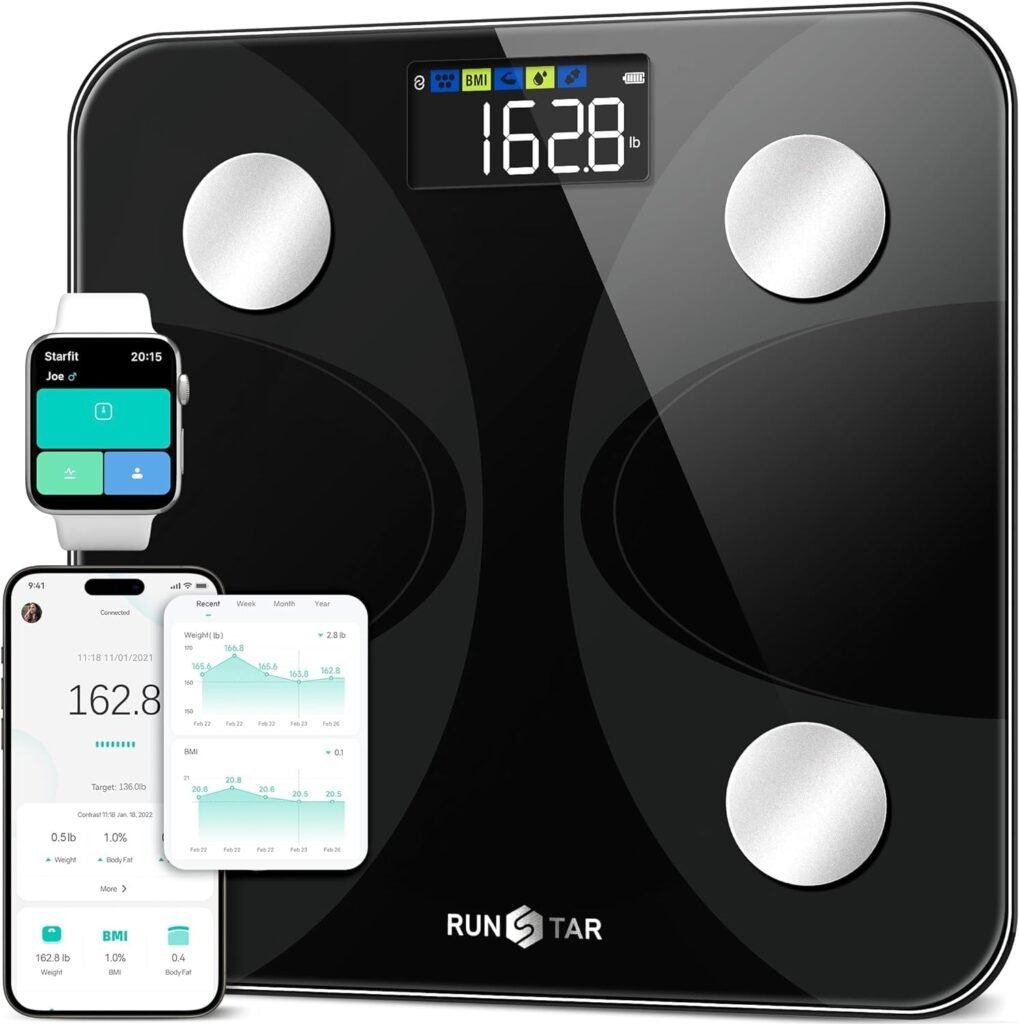
Scale for Body Weight: A Practical Guide to Choosing the Right One
A scale for body weight is a household device used to measure a person’s weight. It’s one of the simplest tools for tracking health, fitness progress, or weight changes over time. Whether your goal is to monitor your fitness journey, check health regularly, or maintain a healthy body weight, choosing the right body weight scale makes a significant difference.
This guide explains how body weight scales work, the different types available, key features to consider, and tips for accurate measurement.
What Is a Body Weight Scale?
A body weight scale is a device that measures how heavy your body is when you stand on it. Modern scales use sensors to detect pressure and convert it into weight displayed in kilograms, pounds, or both.
Scales can be mechanical (analog) or digital, with digital models becoming more popular due to their ease of use and accuracy.
How Body Weight Scales Work
Mechanical (Analog) Scales
Mechanical scales work with internal springs and dials. When you step on the platform, the springs compress and move a needle to show your weight. They don’t require batteries and are simple to use, but they can be less precise than digital models.
Digital Scales
Digital scales use electronic sensors (load cells) to measure the weight and display it on an LCD or LED screen. They are usually more accurate, easy to read, and often come with additional features like memory tracking or connectivity to apps.
Common Types of Body Weight Scales
Basic Digital Scales
These are straightforward scales that show your weight accurately. They usually display weight in kilograms (kg), pounds (lb), or both.
Mechanical Scales
Durable and battery-free, mechanical scales are easy to use and ideal for people who prefer simplicity.
Smart Scales
Smart body weight scales link with smartphones via Bluetooth or Wi-Fi. They can track weight trends over time and sync with fitness apps for a detailed health overview.
Bathroom Scales with Extra Metrics
Some digital scales also measure metrics like:
- Body fat percentage
- Body mass index (BMI)
- Muscle mass
- Water content
While these readings are estimates rather than medical measurements, they offer helpful insights into overall fitness goals.
Benefits of Using a Body Weight Scale
Track Health Progress
Regularly checking your body weight helps you understand how your lifestyle, diet, and exercise habits are affecting your body.
Motivation for Fitness
Seeing your progress in numbers can be motivating and help you stay committed to your goals.
Easy to Use at Home
A body weight scale allows you to check your weight anytime without visiting a clinic or gym.
Early Detection of Changes
Regular weight checks can help you notice unexpected changes early, prompting lifestyle or health changes.
Features to Consider When Choosing a Weight Scale
Accuracy and Precision
Look for a scale with reliable sensors and stable readings. Digital scales with high-quality load cells are generally more precise.
Display Readability
A clear LCD or LED display makes it easy to read numbers, especially in low light.
Weight Capacity
Ensure the scale supports your weight range. Many modern scales support up to 180–200 kg or more.
Unit Selection
Useful scales let you switch between kilograms and pounds based on your preference.
Size and Platform
A wide, slip-resistant platform provides stable footing and comfort when stepping on the scale.
Additional Metrics
If you want deeper insights beyond weight, choose a scale that offers extra data like BMI or body composition.
Tips for Accurate Weight Measurement
To get consistent and accurate results:
- Place the scale on a hard, flat surface
- Weigh yourself at the same time of day each time
- Wear light clothing or no shoes
- Stand still with feet evenly spaced
- Avoid moving during reading
These simple steps reduce measurement variations and give you a more reliable weight trend.
How Often Should You Check Your Weight?
For general health tracking, weighing once every few days or once a week is usually enough. Daily weighing may be useful for active fitness programs, but avoid over-monitoring as body weight can naturally fluctuate day-to-day.
Caring for Your Body Weight Scale
- Clean with a soft, damp cloth
- Avoid harsh chemicals or abrasive cleaners
- Replace batteries when display dims or readings become inconsistent
- Store in a dry place away from moisture
Routine care helps your scale remain accurate and long-lasting.
Final Thoughts
A scale for body weight is a basic yet powerful tool for monitoring health and wellness. Whether you choose a simple digital model, a mechanical scale, or a smart weight scale with advanced metrics, regular tracking can help you stay informed and motivated about your health journey.
Disclosure: As an Amazon Associate, this website may earn a commission from qualifying purchases at no additional cost to you.