Scratch Protection Cat Tape
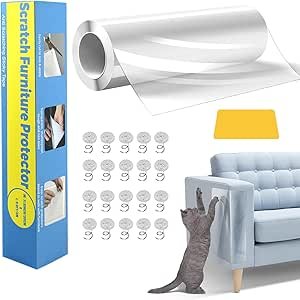
In 2026, Scratch Protection Cat Tape has become the primary non-invasive training tool for pet owners. It works by exploiting a cat’s tactile sensitivity—cats find the “tacky” or sticky sensation on their paws extremely unpleasant, which discourages them from returning to that specific spot.
Unlike older deterrents, 2026 tapes are designed to be medical-grade and residue-free, ensuring they don’t ruin high-end fabrics while protecting them.
1. Types of Scratch Protection Tape
Depending on your furniture material, you will choose between two main formats:
| Type | Best For | Key Feature |
|---|---|---|
| Double-Sided Sheets | Upholstered Sofas | Sticky on both sides; deters cats immediately upon touch. |
| Single-Sided Rolls | Leather & Wood | Smooth on the outside to slide claws off; less likely to trap lint/hair. |
| Vinyl Guards | Large Flat Surfaces | Thick, clear plastic shields for doors or side panels of couches. |
| Sisal Tape/Mats | “If you can’t beat ’em” | Adhesive mats that turn the sofa corner into a legal scratching zone. |
2. Top-Rated Picks for 2026
- Best Overall: KatSupreme Double-Sided Sheets – Extra-large 12×17 inch sheets that can be trimmed. They are virtually invisible on light-colored fabrics.
- Best for Leather: Stelucca Amazing Shields – Designed with a “Leather Safe” adhesive that won’t peel the finish or leave gummy residue.
- Best for Doors/Walls: CLAWGUARD Universal Shield – A heavy-duty barrier that handles aggressive scratching and jumping without budging.
- Best Budget Roll: One Sight Anti-Scratch Tape – A 30-yard roll that is perfect for small spot-treatments like chair legs or bed corners.
3. Application Guide: Protecting Your Surfaces
To ensure the tape sticks to the furniture (and not just your fingers), follow these 2026 pro-tips:
- The Clean Test: Always wipe down the surface with a damp microfiber cloth first. Oils and dust are the #1 reason tape fails to adhere.
- Hidden Spot Test: Before full application, apply a small 1-inch piece to a hidden area of the fabric and leave it for 24 hours to ensure the adhesive doesn’t cause discoloration.
- Use “Twist Pins” for Fabric: For woven or textured sofas, the adhesive might need help. Most 2026 kits include clear upholstery twist pins that lock the tape into the fabric without leaving visible holes.
- Don’t Use on Velvet: Most adhesives will “crush” the nap of velvet or faux-suede. For these fabrics, use freestanding guards or sisal shields instead.
4. The “Alternative” Strategy
Tape is a deterrent, not a solution. In 2026, behaviorists recommend the “Tape + Post” method:
- Apply tape to the forbidden area (the sofa).
- Place a high-quality vertical scratching post immediately next to the taped area.
- Once the cat touches the sticky tape, they will naturally look for the nearest “safe” scratching surface—the post.
- After 4–6 weeks of successful use of the post, you can usually remove the tape.