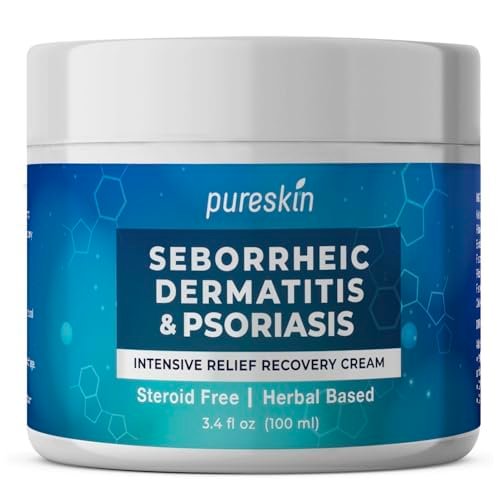
Seborrheic Dermatitis Cream
Seborrheic dermatitis is a chronic inflammatory skin condition that causes redness, itchiness, flaking, and irritation on areas such as the scalp, face, ears, and chest, and while there’s no permanent cure, topical creams can help control symptoms and reduce flare‑ups when used consistently and as directed. Medicated creams often contain antifungal ingredients like ketoconazole or pyrithione zinc, which target the underlying yeast (Malassezia) that contributes to seborrheic dermatitis, and anti‑inflammatory agents like hydrocortisone or other corticosteroids that help reduce redness and itching, making the skin more comfortable.
One example of a seborrheic dermatitis cream combines sulfur (3%), salicylic acid (3%), and hydrocortisone (1%) to help manage symptoms like scaling, itching, and inflammation by exfoliating dead skin, reducing microbes, and calming irritation when applied once or twice daily to affected areas. Other topical options include antifungal creams with ketoconazole 2% which are commonly recommended for mild‑to‑moderate seborrheic dermatitis and can be applied to the skin twice daily until symptoms improve.
In addition to medicated creams, some non‑steroid options are formulated with soothing and barrier‑supporting ingredients like xylitol, squalane, and glycerin, which help moisturize the skin, support repair, and disrupt yeast without harsh corticosteroids — useful for sensitive skin or long‑term maintenance.
When choosing a seborrheic dermatitis cream, it’s important to consider factors such as active ingredients (antifungal vs steroid), skin sensitivity, affected area (face vs body), frequency of flare‑ups, and recommendations from a healthcare provider, as stronger corticosteroids should be used only short‑term and under medical advice to avoid skin thinning or other side effects.