Back Shaver
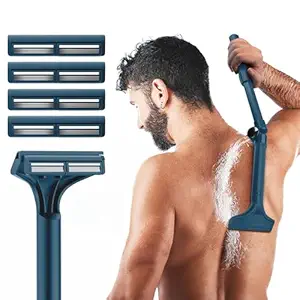
Smoothing the Reach: A Complete Guide to Back Shavers for Men
For many men, back hair is a grooming challenge that often requires a second pair of hands or a series of awkward stretches. However, the latest generation of back shavers has transformed this difficult chore into a simple, independent routine. Whether you are prepping for the beach or just prefer a cleaner look, choosing the right tool is the difference between a smooth finish and a patchy mess.
Manual vs. Electric: Which Style Fits Your Routine?
The first decision you will face is whether to go with a manual “safety blade” style or a motorized electric groomer. Both have distinct advantages depending on your hair type and how often you plan to groom.
Manual Back Shavers
Manual shavers, such as the popular BakBlade 2.0, function like a giant safety razor on an extension arm. They typically use specialized wide cartridges that are designed to be used with very little pressure.
- Pros: They provide the closest possible shave (smooth to the touch) and require no batteries or charging.
- Cons: You have to replace the blades periodically, and there is a slightly higher risk of nicks if you rush the process.
Electric Back Shavers
Electric models, like the MANGROOMER Ultimate Pro, use oscillating blades behind a protective foil. They are essentially body trimmers attached to long, foldable handles.
- Pros: They are much faster for dense hair and significantly reduce the risk of skin irritation or cuts.
- Cons: They don’t shave quite as close as a manual blade, and you need to keep them charged.
Key Features for the Perfect Self-Shave
When browsing Amazon for a back shaver, don’t just look at the price. Pay attention to the ergonomics and build quality, as these determine how easy the device is to use on hard-to-reach spots.
1. Handle Reach and Articulation
Look for a handle that is at least 17 to 19 inches long. Even more important is articulation. A handle that can lock at different angles—or one with a flexible, pivoting head—will allow you to follow the natural curve of your shoulders and lower back without straining your arms.
2. Blade Width and Safety Guards
Back hair can be thick, so a standard facial razor won’t cut it. Dedicated back shavers feature extra-wide blades (often 2 to 4 inches) to cover more surface area per stroke. Ensure the device includes safety guards or a “skin-friendly” foil to prevent the blades from catching on uneven skin.
3. Wet vs. Dry Capability
If you prefer to groom in the shower, verify that the device is waterproof (IPX7 rated). Shaving in the shower is often easier as the warm water softens the hair, but many modern manual shavers are actually designed to work efficiently on completely dry skin using “dry-glide” technology.
Best Practices for a Smooth Back
To avoid the dreaded “post-shave itch” or ingrown hairs, follow these simple steps:
- Trim First: If it’s your first time grooming in months, use an electric trimmer to take the length down before going in with a manual blade.
- Exfoliate: Use a long-handled loofah or back scrub before shaving to remove dead skin cells. This helps the blades glide smoothly.
- Shave with Grain: Start by shaving in the direction of hair growth to minimize irritation, then go against the grain only if you need a closer finish.
- Moisturize: After drying off, apply a lightweight, fragrance-free lotion. This soothes the skin and prevents the “prickly” feeling as hair begins to grow back.
Conclusion
Managing back hair no longer requires a trip to the salon or an embarrassing request for help. By investing in a dedicated back shaver with an ergonomic reach and high-quality blades, you can maintain a groomed look with just five minutes of effort once a week. Whether you prefer the precision of a manual blade or the safety of an electric trimmer, the right tool will make the process effortless.