Light Therapy Sleep Device
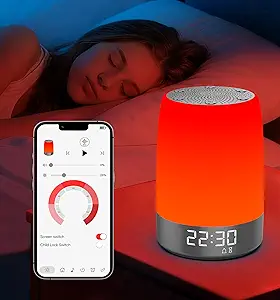
Light Therapy Sleep Device: A Complete Guide
In today’s fast‑paced world, many people struggle with sleep issues like difficulty falling asleep, irregular sleep cycles, or poor sleep quality. A light therapy sleep device is a modern, non‑drug solution designed to help regulate your body’s internal clock — the circadian rhythm — which plays a key role in sleep, mood, and energy levels.
What Is a Light Therapy Sleep Device?
A light therapy sleep device is an electronic gadget that emits controlled light (often red or bright white) to influence your circadian rhythm. It can help your brain recognise when it’s daytime or bedtime, which may improve how quickly you fall asleep and overall sleep quality.
Light therapy is sometimes referred to as phototherapy. It’s widely used for conditions influenced by light and internal body clocks, such as insomnia, delayed sleep phase, jet lag, seasonal affective disorder (SAD), and other sleep problems.
How Light Therapy Works
The human body uses light cues to regulate its internal clock — when it’s time to be awake or asleep. Light therapy devices mimic natural sunlight without harmful UV rays, signalling your brain to adjust hormone production (like melatonin and serotonin) that control alertness and sleepiness.
| Mechanism | Effect on Sleep |
|---|---|
| Bright light exposure after waking | Helps reset circadian rhythm |
| Evening red or low‑blue light exposure | Signals winding‑down mode |
| Consistent daily use | Supports regular sleep schedule |
Key Benefits of a Light Therapy Sleep Device
Using a light therapy sleep device can offer several benefits:
| Benefit | Description |
|---|---|
| Regulates Circadian Rhythm | Helps align your body clock for better sleep timing. |
| Improves Sleep Quality | May help reduce time it takes to fall asleep and deepen restful sleep. |
| Helps with Jet Lag | Encourages quicker adjustment after time‑zone changes. |
| Supports Mood & Energy | Balanced rhythms contribute to steady energy and improved mood. |
Types of Light Therapy Devices for Sleep
| Device Type | Typical Use |
|---|---|
| Bright Light Boxes | Full‑spectrum light for morning use to signal start of day. |
| Red Light Sleep Lamps | Warm light used before bedtime to encourage sleepiness. |
| Wearable Light Glasses | Portable light therapy you can use hands‑free. |
| Sunrise Simulation Clocks | Gradually increases light in the morning to wake you naturally. |
How to Use a Light Therapy Sleep Device
Here’s a simple step‑by‑step idea on how light therapy is typically used:
| Step | What to Do |
|---|---|
| Clean Setup | Place device according to manufacturer instructions. |
| Morning Use | Use bright light within the first hour of waking (10–30 min). |
| Evening Use | Red or low‑intensity light 30–60 min before sleep if the device supports it. |
| Consistency | Use daily for best effect on sleep rhythm. |
Note: Light therapy is not a “magic pill” for sleep problems — its impact is strongest when combined with consistent sleep habits and routines.
Are There Side Effects?
Light therapy devices are generally considered safe when used as directed. However, some minor side effects may occur, such as:
- Eye strain or mild headache
- Irritation or discomfort if light is too intense
- Mild nausea or irritability
If you have eye conditions, photosensitivity, or mood disorders like bipolar disorder, talk to a healthcare professional before starting light therapy.
Popular Types of Sleep Light Therapy Devices
Here are some common options you can find online (particularly on major retail platforms like Amazon):
- Helight Red Light Therapy Sleep Device – Red light lamp designed to support deep relaxation and natural sleep signals.
- 10,000 Lux Light Therapy Lamps – Bright light lamps for morning use to reset circadian rhythm.
- Sleep‑focused Light Therapy Lamps – Devices combining sleep‑friendly light intensities with timers and multiple settings.
Conclusion
A light therapy sleep device can be a helpful tool for people struggling with irregular sleep patterns, jet lag, or circadian rhythm disruptions. By simulating natural sunlight or providing sleep‑friendly light, these devices can help your body recognise when it’s time to be awake and when it’s time to sleep. With consistent use and correct timing, light therapy may enhance your sleep quality and overall wellbeing.
*Disclosure: As an Amazon Associate, I earn from qualifying purchases.*