Glass Salad Bowls — Guide to Choosing, Using, and Caring for a Stylish Kitchen Essential
A glass salad bowl is a versatile and attractive piece of serveware that belongs in every kitchen. Whether you’re tossing crisp greens, presenting vibrant pasta salads at a gathering, or serving fruit and snacks, a good glass salad bowl combines functionality, durability, and visual appeal. This guide explains why glass bowls are great, what to look for, how to use them, and how to care for them.
Why Choose a Glass Salad Bowl
1. Food‑Safe and Non‑Reactive
Glass is a non‑porous material that won’t react with acidic foods (such as tomatoes or citrus), so flavors remain pure and unchanged. It won’t absorb odors or stains like some plastics can.
2. Visually Appealing
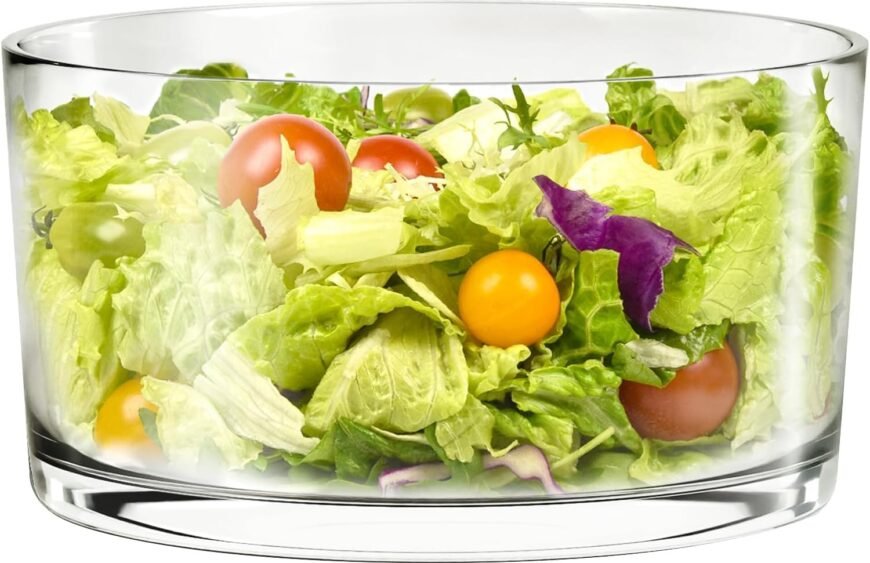
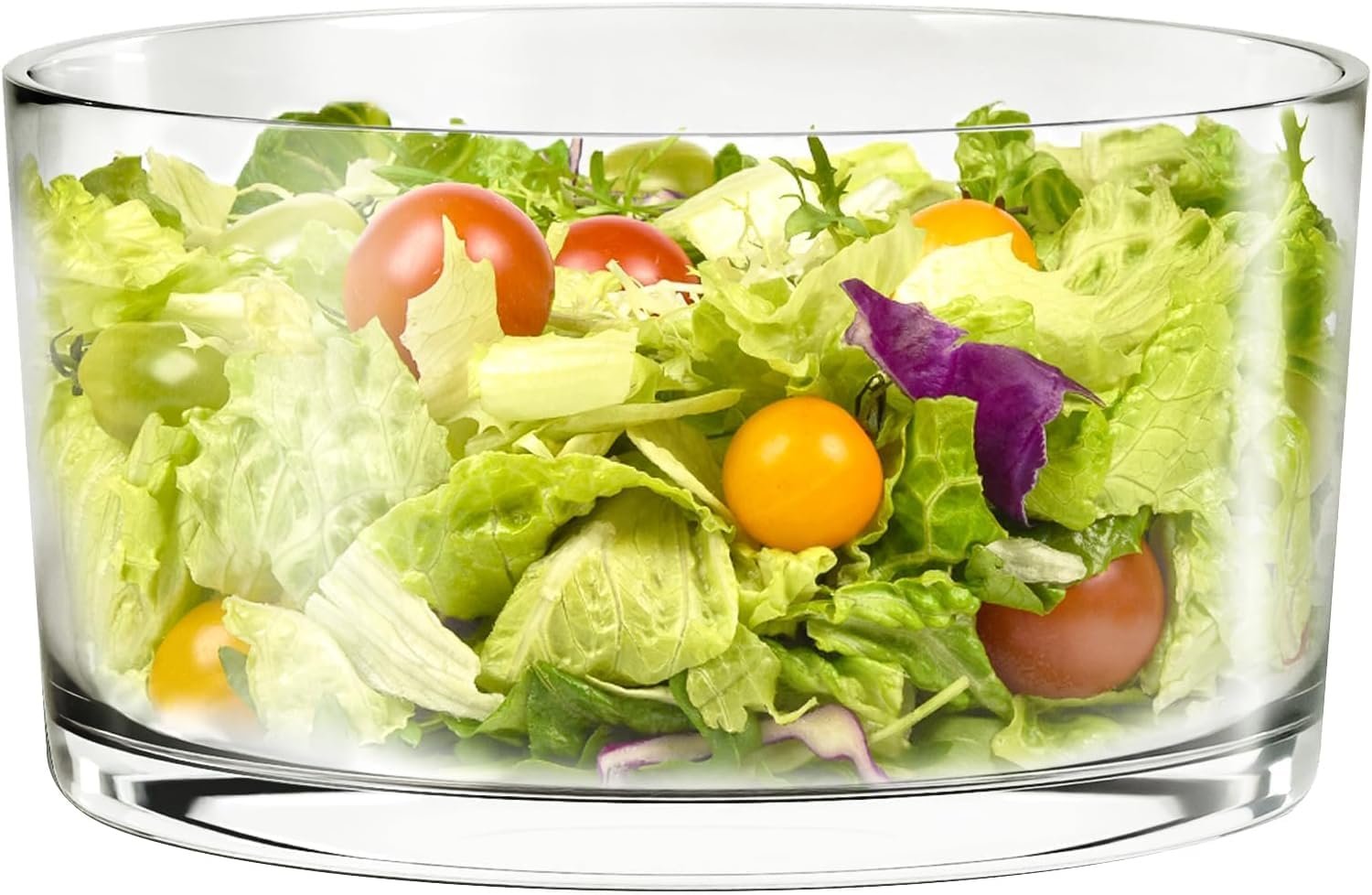
The transparency of glass lets you see the colorful layers of a salad, making your dish look appetizing when served at the table. Glass pieces can also complement various kitchen styles, from modern minimalist to classic casual.
3. Multi‑Purpose Use
A glass salad bowl is not just for salads. You can use it to:
- Mix ingredients before serving
- Hold fruit or snacks on a counter
- Serve cold desserts
- Marinate ingredients in the refrigerator
Common Styles of Glass Salad Bowls
Basic Clear Bowls
These are classic, simple designs that work for everyday use. They are often seamless and easy to clean.
Textured or Patterned Glass
Some bowls feature etched or pressed patterns in the glass. These add a decorative touch when serving guests, especially in formal settings.
Footed or Pedestal Bowls
Elevated styles add elegance to presentation, making them ideal for large gatherings or buffet displays.
Large Mixing Bowls
Extra‑wide or deep glass bowls are particularly useful if you prepare large batches of salads or multi‑ingredient dishes.
Choosing the Right Glass Salad Bowl
Material Quality
Look for thick, tempered or borosilicate glass for added durability and resistance to thermal shock. Tempered glass is less likely to crack with everyday use.
Size and Shape
- Small (6–8 inches): Perfect for individual servings or side salads.
- Medium (9–11 inches): Great for family meals.
- Large (12 inches and above): Best for entertaining, potlucks, or large gatherings.
Consider depth as well — deeper bowls are better for tossing ingredients without splashing.
Ease of Handling
Some bowls have lips or slight rims that make them easier to grip and pour from when transferring salad to plates.
Dishwasher and Microwave Safety
Most glass salad bowls are dishwasher safe, but always check the manufacturer’s guidance. Microwave safety is helpful if you want to warm certain dishes directly in the bowl.
How to Use a Glass Salad Bowl
Preparing a Salad
- Put your greens or base ingredients in the bowl.
- Add toppings and dressings.
- Use salad servers or clean hands to toss ingredients.
- Serve directly from the bowl for a clean presentation.
Glass bowls are also ideal for marinating vegetables or proteins before cooking, as the smooth surface won’t react with seasonings.
Care and Maintenance
Cleaning
- Most glass bowls are dishwasher safe, but handwashing with warm soapy water is gentle and effective.
- Use a soft sponge to avoid scratching the surface.
Stain and Odor Prevention
Glass does not stain easily, but if you’ve mixed strong pigments (like beets or turmeric), rinse soon after use.
Avoid Thermal Shock
Do not transfer a cold glass bowl directly into a hot oven or vice versa. Sudden temperature changes can cause cracks.
Storage
Store glass bowls stacked with soft liners or towels between them to prevent chipping.
Benefits in Everyday Use
- Hygienic and easy to clean
- Stylish for casual and formal settings
- Durable and long‑lasting with proper care
- Good for mixing, serving, storing, and presenting
Summary
A glass salad bowl, whether used for everyday meals or special occasions, is a practical and attractive addition to your kitchen collection. Its non‑reactive surface, visual clarity, and multi‑purpose function make it a reliable choice for preparing and serving a wide range of food. When choosing a bowl, consider size, material strength, and ease of use, and maintain it with simple care practices to enjoy years of service.
If you want, I can suggest specific sizes and shapes based on how you plan to use the bowl (e.g., individual meals, family dining, entertaining), and help you pick the best option for your needs.