Smoking cessation aid
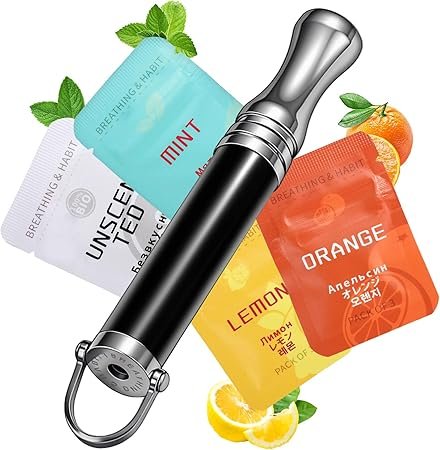
Smoking Cessation Aids: Effective Tools to Help You Quit Smoking for Good
Quitting smoking is one of the most important decisions you can make for your health. Whether you’ve tried to quit in the past or are just starting your journey, the process can be challenging, but it is entirely possible with the right support and smoking cessation aids. These aids can significantly increase your chances of success by reducing cravings, managing withdrawal symptoms, and providing the encouragement you need to stay on track.
In this article, we’ll explore some of the most effective smoking cessation aids available, their benefits, and how they can help you quit smoking for good.
Why Quit Smoking?
Before we dive into the tools available to help you quit, let’s quickly review why quitting smoking is so crucial:
- Health Benefits: Smoking is the leading cause of preventable diseases, including lung cancer, heart disease, and respiratory conditions. Quitting smoking improves heart health, reduces cancer risk, and increases your life expectancy.
- Financial Savings: Smoking is expensive, and the costs add up over time. Quitting allows you to save money, which you can use for more positive habits or to treat yourself to something you enjoy.
- Improved Quality of Life: Once you quit smoking, you’ll likely notice improvements in your sense of taste and smell, breathing, and overall energy levels. You’ll also no longer be dependent on nicotine, which will reduce stress and cravings over time.
Top Smoking Cessation Aids
There are various smoking cessation aids that can help you quit, each with its own approach. Here’s a breakdown of the most popular options:
1. Nicotine Replacement Therapy (NRT)
Nicotine Replacement Therapy (NRT) is one of the most common and effective methods to quit smoking. NRT works by providing a controlled dose of nicotine to your body, helping to reduce withdrawal symptoms and cravings without the harmful chemicals found in cigarettes. It allows your body to adjust to lower levels of nicotine gradually.
Forms of NRT:
- Nicotine Patches: These are worn on the skin and release a steady dose of nicotine throughout the day. Patches come in varying strengths, so you can reduce the amount of nicotine you receive as you progress through your quit journey.
- Nicotine Gum: Chewing nicotine gum can help reduce cravings and manage sudden urges to smoke. It also helps keep your mouth busy, which can be a habit-forming part of smoking.
- Nicotine Lozenges: Similar to gum, lozenges dissolve in your mouth, releasing nicotine slowly to curb cravings.
- Nicotine Inhalers: This is a handheld device that mimics the act of smoking, allowing you to inhale nicotine vapor.
- Nicotine Nasal Spray: This spray delivers nicotine through the nasal membranes and can help reduce cravings quickly.
Benefits:
- Provides a steady nicotine dose to reduce withdrawal symptoms.
- Reduces the urge to smoke by targeting cravings.
- Available over-the-counter or by prescription.
How it Helps:
NRT reduces the intensity of cravings and withdrawal symptoms, making it easier for you to focus on breaking the habit of smoking. It is most effective when combined with behavioral support, such as counseling or therapy.
2. Prescription Medications
There are several prescription medications that can help you quit smoking by targeting the brain’s nicotine receptors, reducing cravings and the pleasurable effects of smoking.
Common Prescription Medications:
- Bupropion (Zyban): Bupropion is an atypical antidepressant that can also help you quit smoking by reducing cravings and withdrawal symptoms. It works by altering the chemicals in your brain that affect mood and addiction.
- Varenicline (Chantix): Varenicline works by stimulating nicotine receptors in the brain while also blocking nicotine from attaching to those receptors. This reduces the pleasure of smoking and helps curb cravings. It’s one of the most effective prescription medications for smoking cessation.
Benefits:
- Reduces cravings and withdrawal symptoms.
- Can double the chances of successfully quitting smoking when combined with behavioral support.
How it Helps:
Prescription medications are often used when NRT alone doesn’t suffice or if you have a history of failed attempts to quit. They can be particularly helpful for people who are highly dependent on nicotine or those who experience severe withdrawal symptoms.
3. Behavioral Therapy and Counseling
Behavioral therapy is a type of treatment that helps individuals recognize and change their smoking-related behaviors. This form of therapy is often used in conjunction with other smoking cessation aids, such as NRT or prescription medications.
Types of Therapy:
- Cognitive Behavioral Therapy (CBT): CBT helps you identify the triggers and behaviors that lead to smoking and teaches strategies to avoid or manage them. It focuses on changing your thought patterns to reduce the urge to smoke.
- Individual Counseling: A trained professional works with you one-on-one to develop a personalized plan for quitting smoking.
- Group Therapy: Group therapy provides a support system of others going through the same journey. Sharing experiences and strategies with peers can be motivating and helpful.
- Telephone Counseling and Support Groups: Many services, such as quitlines, offer telephone counseling to provide ongoing support and motivation.
Benefits:
- Helps you address the psychological and emotional aspects of smoking.
- Provides coping strategies to manage stress, triggers, and cravings.
- Increases your chance of success when combined with medications or NRT.
How it Helps:
Therapy addresses the underlying behaviors and emotions that contribute to smoking, helping you learn how to resist cravings, avoid triggers, and manage stress without resorting to cigarettes.
4. Mobile Apps and Digital Support
The digital world offers a wide array of tools to help you quit smoking. Mobile apps and online support systems provide motivation, progress tracking, and helpful tips at your fingertips.
Popular Quit Smoking Apps:
- Smoke Free: This app helps you track your progress, shows how much money you’ve saved by quitting, and provides motivational messages and tips to keep you on track.
- Quit Genius: Quit Genius combines cognitive behavioral therapy (CBT) with behavioral support, offering personalized plans, daily lessons, and progress tracking.
- QuitNow!: Offers community support, daily tips, and a counter to track how long you’ve been smoke-free.
Benefits:
- Easy to access from your smartphone.
- Provides constant reminders, tips, and motivation.
- Offers virtual support communities and progress tracking.
How it Helps:
Using a mobile app can help you stay accountable, track your progress, and keep you motivated throughout your quitting journey. Many apps also offer guided programs, educational content, and support networks, which can be especially helpful for people who prefer self-guided methods of quitting.
5. Hypnotherapy and Acupuncture
Some people turn to alternative therapies, such as hypnotherapy or acupuncture, to help them quit smoking. These methods target the mind and body’s response to smoking and may help reduce cravings and withdrawal symptoms.
- Hypnotherapy involves using guided relaxation and mental imagery to change your subconscious thoughts about smoking. It can help alter the way you perceive the act of smoking, making it less appealing.
- Acupuncture is based on the principle of stimulating certain points on the body to promote relaxation and balance. Some studies suggest it may help reduce nicotine cravings and anxiety related to quitting.
Benefits:
- May provide relief from cravings and anxiety.
- Non-invasive and natural.
- Some users find it a helpful complementary method to other cessation aids.
How it Helps:
Both hypnotherapy and acupuncture aim to address the mental and emotional aspects of smoking addiction, helping you manage stress, reduce cravings, and ease the process of quitting.
Final Thoughts
Quitting smoking is challenging, but with the right smoking cessation aid and support, it is entirely achievable. Whether you choose Nicotine Replacement Therapy (NRT), prescription medications like Bupropion or Varenicline, or opt for behavioral therapy, there are numerous tools available to help you break free from nicotine dependence.
For best results, consider combining different aids, such as pairing NRT with behavioral therapy or using an app to track your progress. Remember, quitting smoking is a personal journey, and finding the right approach that works for you is key. Stay committed, and don’t hesitate to seek support from healthcare professionals, quitlines, or support groups. With determination and the right help, you can succeed in quitting smoking and live a healthier, smoke-free life.