Sponge Holder for Kitchen Sink
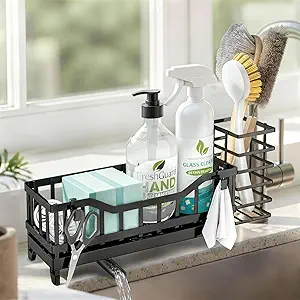
Sponge Holder for Kitchen Sink: A Simple Yet Essential Kitchen Accessory
A sponge holder is a practical and often overlooked kitchen accessory that can make a world of difference in maintaining an organized and efficient kitchen sink area. Whether you’re washing dishes, cleaning surfaces, or prepping ingredients, having a dedicated space to store your sponges can help reduce clutter, improve hygiene, and keep your kitchen looking neat and tidy. A well-designed sponge holder can also help extend the life of your sponges by allowing them to dry properly, preventing bacteria buildup, and keeping water from pooling in unwanted places.
In this guide, we’ll explore the benefits of using a sponge holder for your kitchen sink, different styles and designs available, and factors to consider when choosing the right one for your needs.
Why You Need a Sponge Holder for Your Kitchen Sink
While sponges are essential for everyday cleaning, they can quickly become a breeding ground for bacteria and unpleasant odors if not properly cared for. Here’s why investing in a sponge holder is a great idea for your kitchen:
1. Keeps Sponges Dry and Clean
Sponges that are left sitting in pools of water in the sink can become soggy and start to harbor germs. A sponge holder elevates your sponge above the waterline, allowing it to air-dry faster. This helps to reduce moisture buildup, which is a prime environment for bacteria and mold to grow.
- Prevents bacteria growth: Proper drainage allows the sponge to dry out between uses, reducing the chances of harmful bacteria breeding in the sponge.
- Keeps sponges fresher longer: A dry sponge is more durable and lasts longer than one that stays wet all the time.
2. Reduces Clutter
Having a designated place to store your sponge helps keep your kitchen sink area organized. Without a holder, sponges are often left on the countertop or edge of the sink, causing clutter and making it harder to clean. A simple sponge holder keeps your space neat and tidy, freeing up room for other kitchen tools.
- Declutter your sink: It keeps sponges out of the way when not in use, making the sink area look cleaner and more organized.
- Adds convenience: Having your sponge in a designated spot means you don’t have to search for it every time you need it.
3. Enhances Hygiene
By lifting the sponge off the surface, a sponge holder ensures that the sponge dries faster and doesn’t sit in dirty water. This improves the overall hygiene of your kitchen and prevents cross-contamination from bacteria that could transfer from the sponge to your dishes, food, or countertops.
- Prevents water stagnation: Water buildup in the sink area can lead to mold growth and foul odors. A sponge holder prevents this by providing a proper drainage system.
- Reduces odors: Proper drying eliminates unpleasant smells that can arise from wet sponges.
4. Versatile Storage
In addition to holding sponges, many kitchen sink sponge holders come with extra features, such as compartments for dish brushes, scrubbers, or even soap. This makes them versatile organizers that help you manage all your sink cleaning tools in one spot, keeping everything within reach when you need it.
- Multi-functional design: Some holders offer extra compartments or hooks for brushes, dish soap, or even drying cloths, keeping your cleaning tools organized and easy to access.
- Space-saving: Many sponge holders are designed to maximize counter or sink space, making them perfect for both small and large kitchens.
Types of Sponge Holders for the Kitchen Sink
There are various types of sponge holders available in the market, each designed to suit different kitchen needs, styles, and preferences. Let’s take a look at the most popular options:
1. Sink-Mounted Sponge Holders
These holders are designed to be mounted directly onto the side of your kitchen sink or the faucet. Sink-mounted holders save counter space and are often designed to fit snugly against the sink’s edge, making them perfect for smaller kitchens where space is limited.
- Pros: Saves space, keeps the sponge out of sight, easy to access.
- Cons: Limited in capacity, may require installation.
2. Countertop Sponge Holders
Countertop holders are freestanding organizers that sit on the edge of your sink or on your kitchen counter. They often feature a simple design, with a base that collects water and keeps the sponge from sitting directly in it.
- Pros: Easy to place and move around, no installation required, can hold additional items like scrubbers or soap.
- Cons: Takes up counter space, may be less sleek than mounted options.
3. Over-the-Sink Sponge Holders
These holders are designed to hang over the edge of the sink, either on the side or across the front. They offer great drainage and are perfect for keeping sponges, brushes, or cloths off the countertop.
- Pros: Efficient use of space, offers good drainage, can hold multiple items.
- Cons: Might interfere with the sink’s edge if not properly sized, requires a bit of counter clearance.
4. Wall-Mounted Sponge Holders
For those looking to save even more counter space or add an element of modern design, wall-mounted sponge holders are a great choice. These holders attach to the wall next to the sink and keep sponges and scrubbers off both the counter and sink.
- Pros: Saves both counter and sink space, keeps items out of sight, offers a clean, modern look.
- Cons: Requires installation, may need drilling into the wall.
5. Magnetic Sponge Holders
A more innovative option, magnetic sponge holders utilize magnets to stick the sponge to a metal surface near the sink, such as the sink frame or a refrigerator door. These holders offer a unique and sleek design, often used in modern kitchens.
- Pros: High-tech and stylish, easy to install, does not require drilling.
- Cons: Only works with certain metal surfaces, can be less stable than other types.
Materials Used for Sponge Holders
Sponge holders come in a variety of materials, each offering different benefits in terms of durability, ease of cleaning, and aesthetics. Here are the most common materials used in sponge holders:
1. Stainless Steel
Stainless steel is a popular material for sponge holders due to its durability, resistance to rust, and sleek appearance. It’s easy to clean and often comes in modern designs that complement a variety of kitchen styles.
- Pros: Durable, resistant to rust, easy to clean, modern look.
- Cons: Can get scratched over time.
2. Plastic
Plastic sponge holders are lightweight, budget-friendly, and come in a wide range of colors and designs. They’re easy to clean and often feature drainage holes to allow moisture to escape.
- Pros: Affordable, available in many colors, easy to clean, lightweight.
- Cons: Less durable than metal options, can stain over time.
3. Silicone
Silicone sponge holders are flexible, durable, and resistant to mold and mildew. They provide a soft surface for your sponge and are often designed with integrated drainage systems for easy water flow.
- Pros: Flexible, durable, mold and mildew resistant, easy to clean.
- Cons: May not offer the same sleek look as metal or plastic options.
4. Ceramic
For those who want a more decorative option, ceramic sponge holders are available in a variety of designs, often featuring vibrant colors or intricate patterns. Ceramic holders tend to have a more rustic or artisanal feel.
- Pros: Attractive, available in a variety of designs, can match specific kitchen decor.
- Cons: Can break easily, harder to clean if not glazed properly.
How to Choose the Best Sponge Holder for Your Kitchen Sink
When selecting a sponge holder, there are several factors to consider to ensure you choose the right one for your needs:
1. Space and Size
Consider the amount of space available around your sink. If you have limited counter space, a sink-mounted or over-the-sink holder might be a better choice. If you have a larger counter area, a countertop holder may work better.
2. Drainage System
Ensure that the sponge holder has a proper drainage system to allow water to flow out and prevent your sponge from sitting in stagnant water. A raised base or built-in drainage holes are essential for proper moisture control.
3. Material
Choose a material that suits your style and needs. Stainless steel is perfect for modern kitchens, while plastic and silicone offer more flexibility and durability. If you’re looking for something decorative, ceramic might be a great option.
4. Additional Features
Look for sponge holders that offer extra compartments for dish brushes, soap, or scrubbers. This added functionality can help keep all your cleaning tools in one place and make your sink area even more organized.
5. Easy to Clean
Since sponges can become dirty quickly, choose a holder that’s easy to clean and maintain. Look for options that are dishwasher-safe or can be easily wiped down to remove grime and soap residue.
A sponge holder for your kitchen sink is a simple yet essential tool that enhances your kitchen’s functionality and hygiene. By providing a designated space for your sponge to dry, a good sponge holder prevents bacteria growth, reduces odors, and helps keep your kitchen organized. With various styles, materials, and designs available, you can find the perfect holder to suit your kitchen’s aesthetic and meet your practical needs. Whether you prefer a sleek stainless steel holder, a budget-friendly plastic design, or a charming ceramic option, a sponge holder is a small investment that will make a big difference in you