Stitch Gun for Clothes
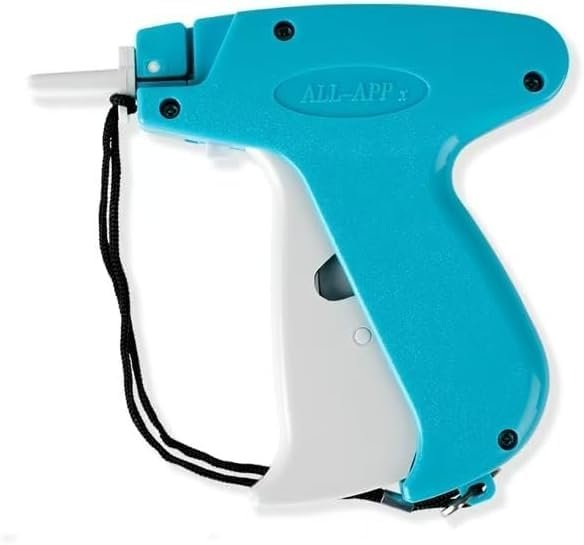
Stitch Gun for Clothes: A Quick and Efficient Tool for Seamless Repairs
A stitch gun for clothes is a highly useful tool designed to make fabric repairs and alterations easier and quicker. It’s often used for replacing buttons, hemming, or securing loose threads, making it an essential tool for anyone who frequently works with textiles. If you want a fast and efficient way to handle basic clothing repairs without pulling out a sewing machine or needle and thread, a stitch gun is the ideal solution.
In this article, we’ll dive into what a stitch gun is, its benefits, how to use it, and the best options available for making clothing repairs at home.
What is a Stitch Gun for Clothes?
A stitch gun (also known as a button gun, fastener gun, or clothing stapler) is a handheld device used for attaching buttons, labels, or other small fasteners onto clothing or fabric. It works by using specialized barbed fasteners (often referred to as threaded needles or tacks) that are pushed into the fabric with the help of the gun’s trigger mechanism. Once inserted, the fastener is secured tightly, providing a temporary or permanent fix to a variety of fabric-based problems.
Common Uses for a Stitch Gun
Stitch guns are incredibly versatile and can be used for various fabric-related tasks, including:
1. Button Replacement
- The most common use of a stitch gun is for quickly attaching buttons to clothing. This is particularly helpful in retail settings where clothing needs to be prepared or repaired quickly, or in homes where buttons frequently pop off.
2. Temporary Fastening
- A stitch gun is ideal for temporary repairs on items like clothing, uniforms, or costume pieces, especially when the traditional sewing method might be too time-consuming or impractical.
3. Hemming
- While it’s not a replacement for full sewing, a stitch gun can help hem pants, skirts, or other garments when you need a quick fix. It’s particularly useful for people who don’t have access to a sewing machine.
4. Attaching Labels or Tags
- Retailers and manufacturers often use stitch guns to attach price tags or care labels to clothing items. This can be done quickly and efficiently without needing to sew or glue labels.
5. Sewing Patches or Decorations
- A stitch gun can also be used for attaching patches, embellishments, or decorative trims to clothing. It provides a solid hold and saves time compared to traditional sewing.
How Does a Stitch Gun for Clothes Work?
A stitch gun operates similarly to a stapler, but instead of regular staples, it uses a special barbed fastener that is inserted into the fabric and secured. Here’s a step-by-step overview of how a typical stitch gun works:
- Loading the Fasteners:
- The gun is loaded with a roll or strip of barbed fasteners (similar to tiny staples). These fasteners can vary in size, depending on the type of fabric or fastener needed (e.g., buttons, patches, etc.).
- Positioning the Fabric:
- The fabric or garment that requires repair is placed in the appropriate position, with the area where the button or fastener needs to go aligned in front of the gun.
- Triggering the Gun:
- The user pulls the trigger, causing the fastener to be pushed through the fabric. The barbed fastener penetrates the material, and the mechanism securely holds the button or other fastener in place.
- Securing the Fastener:
- Depending on the stitch gun model, the fastener may come with a small button that fits into the barbed end, completing the attachment. The gun works in seconds, ensuring a strong, fast, and efficient application.
- Finishing the Job:
- The fastener is securely inserted, and the task is done. If necessary, you can trim excess material or adjust the fastener to ensure it fits properly.
Benefits of Using a Stitch Gun for Clothes
1. Speed and Efficiency
- The most significant advantage of a stitch gun is its speed. Unlike traditional hand sewing, which can take time and precision, a stitch gun can securely attach fasteners in seconds. This is especially useful for high-volume repairs or when working with multiple garments.
2. No Sewing Machine Required
- Stitch guns are particularly helpful for those who may not own or want to use a sewing machine. They’re easy to operate and don’t require any prior sewing skills. Simply load the fastener and pull the trigger for a quick and efficient result.
3. Perfect for Temporary Fixes
- If you need to make a temporary repair or don’t have the time for a full sewing job, a stitch gun is a great solution. It’s especially useful for events, fashion shows, or retail clothing where quick repairs are often needed.
4. Great for Large Projects
- For people working in retail, theater, or uniform industries, stitch guns allow for fast, large-scale repairs on garments and fabrics without needing to spend hours manually sewing buttons, tags, or embellishments.
5. Cost-Effective
- If you do a lot of fabric repairs or work with large amounts of clothing, investing in a stitch gun can be cost-effective. You’ll save time and avoid the costs of hiring professional seamstresses or paying for expensive sewing services.
How to Choose the Best Stitch Gun for Clothes
When shopping for a stitch gun, there are a few features to keep in mind to ensure you pick the right model for your needs:
1. Ease of Use
- Choose a stitch gun that is comfortable and easy to handle. Look for features like an ergonomic grip and lightweight design that will make the tool more comfortable for prolonged use.
2. Adjustable Settings
- Some stitch guns come with adjustable settings that allow you to control the depth of the fastener or the amount of pressure applied. This is useful when working with different fabric types or thicknesses.
3. Fastener Compatibility
- Ensure that the stitch gun is compatible with the type of fasteners you want to use. Some models support a range of fastener types (e.g., buttons, tacks, staples), while others may be designed for a specific use case.
4. Build Quality
- Look for a stitch gun that is durable and made from high-quality materials. Since this tool is likely to be used frequently, investing in a sturdy and reliable model will pay off in the long run.
5. Portability
- A portable design with easy-to-load fasteners will be beneficial, especially if you need to move the stitch gun between locations or bring it with you for on-site repairs.
6. Price
- Stitch guns are available at a wide range of prices. Entry-level models can be affordable, while high-end models may have more features and additional capabilities. Choose a model that fits your budget and meets your specific needs.
Popular Stitch Guns for Clothes
Here are some top-rated stitch guns available in the market:
1. Dritz 8080 Stitching Gun
- Features: Comes with fasteners in multiple sizes, ergonomic design, and adjustable settings for various fabrics.
- Best For: Home users and small businesses that need to make quick fixes to clothing.
2. Handy Stitch Gun by Singer
- Features: Works with standard tacks, includes a threaded needle system, and has an easy-to-hold design.
- Best For: Users looking for an affordable, user-friendly tool for basic fabric repairs.
3. Kipsta Stitch Gun
- Features: Fastener compatibility, adjustable pressure for different fabric types, and designed for quick repairs.
- Best For: Those working with retail or manufacturing clothing, where time is of the essence.
4. Fastener Stitch Gun by LIEBHERR
- Features: Heavy-duty build, supports multiple fastener sizes, and has a long-lasting motor for consistent use.
- Best For: Industrial use or large-scale projects requiring frequent fastener changes.
Conclusion
A stitch gun for clothes is an incredibly efficient tool that saves time and effort when dealing with clothing repairs, alterations, and fastener applications. Whether you need to attach buttons, fix a hem, or add a tag to a garment, a stitch gun provides a quick and easy solution. By choosing the right model with the features that match your needs, you can streamline your repair process and keep your clothes looking great with minimal effort.
With its ease of use, portability, and cost-effectiveness, a stitch gun is an essential tool for anyone who works with fabric or regularly deals with clothing maintenance. Whether you’re a DIY enthusiast or working in a professional setting, this tool is a must-have for keeping your wardrobe in top condition.