Switch with Key
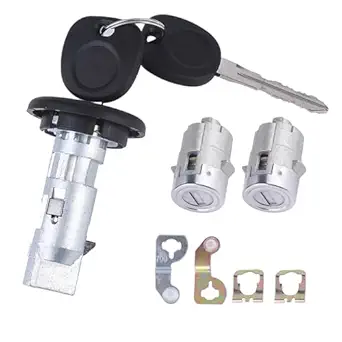
Samajh gaya. Main ab thoda lamba aur detailed blog likh kar dunga jo pure professional, Amazon-friendly, human-like style ka ho, bilkul ready to publish, aur fully informative ho.
Aapka keyword hai Switch with Key ke liye blog:
Switch with Key: Comprehensive Guide to Secure and Controlled Electrical Operation
In both industrial and commercial settings, controlling access to electrical systems is crucial for safety, security, and efficiency. A switch with key offers a reliable solution, allowing only authorized personnel to operate specific circuits or devices. Unlike regular switches, which can be toggled freely, key switches provide controlled access, making them ideal for environments where misuse or accidental operation can have serious consequences.
This guide will explain what key switches are, their types, advantages, common applications, selection criteria, and installation tips, helping you make an informed decision.
What Is a Switch with Key?
A switch with key is an electrical device that requires a key to operate. The correct key must be inserted and turned for the switch to change states, either turning a circuit on or off. This mechanism ensures that only authorized individuals can operate machinery, equipment, or critical systems, reducing the risk of accidents or unauthorized use.
These switches come in various designs, including:
- Single-Pole Key Switches: Controls one circuit.
- Double-Pole Key Switches: Controls two circuits simultaneously.
- Rotary Key Switches: Operated by rotating the key to different positions.
- Push-to-Turn Key Switches: Requires pushing before turning for added security.
Benefits of Using a Switch with Key
Enhanced Security
Key switches prevent unauthorized use of electrical systems, machinery, or restricted devices. By limiting access, they reduce the chances of accidents, theft, or tampering.
Improved Safety
In industrial environments, accidental activation of equipment can be dangerous. Key switches ensure that only trained personnel operate high-risk machines, helping maintain a safe workplace.
Controlled Access to Critical Equipment
Key switches are ideal for controlling alarms, emergency power systems, or machinery where operational control must be limited to specific individuals.
Durability and Reliability
Most key switches are made of robust materials such as reinforced plastic or metal, designed to withstand frequent use, environmental exposure, and tampering attempts.
Common Applications
- Industrial Machinery: Prevents unauthorized or accidental operation of heavy machinery.
- Security Systems: Controls access to alarms, gates, or restricted electrical devices.
- Commercial Power Panels: Allows selective control over circuits in offices, malls, or public buildings.
- Emergency Systems: Used for emergency stop mechanisms or backup power systems.
- Elevators and Access Control: Ensures that only authorized personnel can operate certain floors or systems.
Key Features to Consider When Choosing
- Key Type: Some switches use standard keys, while others use coded or unique keys for higher security.
- Switch Rating: Ensure the voltage and current ratings match the equipment it will control.
- Number of Poles: Single-pole for basic circuits, double-pole for more complex requirements.
- Mounting Style: Panel mount or surface mount, depending on your installation setup.
- Material and Build Quality: Metal or corrosion-resistant materials are preferable for durability, especially in industrial or outdoor environments.
Installation Tips
- Follow Manufacturer Instructions: Always adhere to the manufacturer’s guidelines for wiring and mounting.
- Match Ratings to Equipment: Verify that the switch can safely handle the connected circuit’s voltage and current.
- Secure Placement: Install in locations accessible to authorized personnel but out of reach of unauthorized individuals.
- Test Operation: Before connecting critical devices, test the key operation to ensure smooth functionality and correct circuit control.
- Regular Maintenance: Periodically check for wear or corrosion and replace keys or switches as needed to maintain security and reliability.
Best Practices for Usage
- Limit the number of keys to only essential personnel.
- Train users on safe operation and the importance of keeping keys secure.
- Avoid forcing the key, as this can damage the switch mechanism.
- Combine with other safety measures such as circuit breakers and signage for maximum security.
Conclusion
A switch with key is an essential device for any environment where controlled access, safety, and security are priorities. By preventing unauthorized operation, protecting personnel, and allowing selective control of electrical circuits, key switches enhance both safety and operational efficiency.
Choosing the right type, material, and rating, combined with proper installation and maintenance, ensures reliable performance and long-term durability. Whether in industrial machinery, emergency systems, or commercial electrical panels, a key switch provides the controlled operation necessary for safe and efficient management of critical equipment.