Digital Thermometer
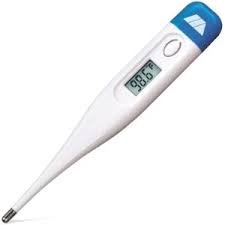
Accuracy at Home: Choosing the Best Digital Thermometer
Maintaining a reliable digital thermometer in your medicine cabinet is one of the most basic yet essential steps for household health management.1 Whether you are tracking a child’s fever or monitoring your own health, having a device that provides quick and precise readings is vital.2 As technology has advanced, the market has moved beyond simple contact probes to include sophisticated infrared and non-contact options.3
The Different Types of Digital Thermometers
Understanding the pros and cons of each type of thermometer will help you decide which one fits your family’s needs best.
Oral and Rectal Probe Thermometers
These are the most traditional digital options. They use electronic heat sensors to record body temperature.4 While they are often the most affordable, they are also highly accurate. Rectal readings remain the gold standard for infants, while oral use is preferred for older children and adults.5
Infrared Forehead Thermometers (Non-Contact)
Non-contact infrared thermometers (NCITs) have become incredibly popular because they allow for temperature checks without physical contact.6 This is ideal for sleeping children or for quickly screening multiple family members without needing to sanitize the device between every single use.
Tympanic (Ear) Thermometers
Ear thermometers measure the infrared heat wave inside the ear canal.7 They are very fast and generally comfortable, but they require proper positioning to get an accurate reading.8 If there is significant earwax buildup, the accuracy can be affected.
Key Features to Consider
When shopping for a digital thermometer on Amazon, look for these specific features to ensure ease of use and reliability.
- Reading Speed: In a high-stress situation with a fussy child, every second counts. Look for models that offer readings in 1 to 5 seconds.
- Backlit Display: A large, glowing screen is essential for taking temperatures in a dark bedroom at night without waking the patient.
- Memory Recall: Many modern thermometers store the last 10 to 30 readings. This is incredibly helpful for tracking whether a fever is breaking or rising over time.
- Fever Alerts: Look for devices that use color-coded systems (Green, Yellow, Red) to instantly signal whether a temperature is within a normal or concerning range.
How to Get the Most Accurate Reading
Even the best technology can provide false data if used incorrectly.9 For oral thermometers, ensure the patient hasn’t consumed hot or cold liquids for at least 30 minutes prior to the test. For forehead thermometers, make sure the skin is clear of sweat, hair, or hats, as these can insulate the skin and provide a falsely high reading.
It is also a good practice to take two readings to ensure consistency. If the results differ significantly, wait a few minutes and try a third time.
Conclusion
A digital thermometer is a small investment that provides significant peace of mind. While non-contact infrared models offer the most convenience, a high-quality oral digital probe is often the most cost-effective way to get laboratory-level accuracy. Regardless of which style you choose, prioritizing a model with a clear display and memory storage will make health tracking much easier for your household.