Steel Seamless Tubing
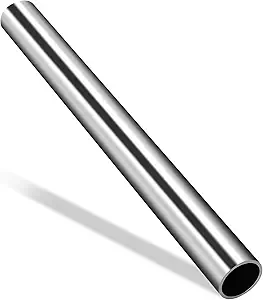
Stainless Steel Seamless Tubing: A Comprehensive Guide
Stainless steel seamless tubing is a versatile, durable, and high-performance material used in a variety of industries, from construction to medical applications. Unlike welded tubes, seamless tubing is created without any joints or seams, offering superior strength and reliability. Whether you’re in need of tubing for structural purposes, fluid systems, or specialized applications, stainless steel seamless tubing is a top choice for durability and corrosion resistance.
In this guide, we’ll dive into what stainless steel seamless tubing is, its benefits, and where it’s commonly used. We’ll also take a look at what to consider when purchasing stainless steel tubing.
What is Stainless Steel Seamless Tubing?
Seamless tubing is made from a single piece of stainless steel that has been extruded and shaped into a tube without any welds or seams. The process involves taking a solid billet of stainless steel, heating it, and then forcing it through a die to form a hollow tube. Because there are no joints or welds, seamless tubing is able to withstand higher pressures and is less prone to failure from cracking or stress fractures.
Key characteristics of stainless steel seamless tubing:
- Durability: Resistant to rust, corrosion, and general wear
- Strength: Excellent tensile and yield strength
- Cleanliness: Often used in applications that require high hygiene standards, such as medical or food-grade environments
- Versatility: Can be produced in various grades and sizes for different applications
Types of Stainless Steel Grades for Seamless Tubing
Stainless steel is available in various grades, each offering different properties that make it suitable for specific applications. Here are the most common grades used in seamless tubing:
1. 304 Stainless Steel
The most commonly used grade, 304 stainless steel, is known for its good corrosion resistance and strength. It’s ideal for:
- General industrial use
- Food and beverage processing
- Pharmaceutical and cosmetic industries
2. 316 Stainless Steel
316 stainless steel has superior corrosion resistance compared to 304, making it ideal for more aggressive environments, such as:
- Chemical processing
- Marine environments (resistant to saltwater)
- Medical equipment
3. 304L and 316L Stainless Steel
These are low-carbon versions of 304 and 316, offering better weldability and reduced risk of carbide precipitation. They are often used in:
- Welding applications
- Construction (particularly in high-temperature environments)
Benefits of Stainless Steel Seamless Tubing
1. Corrosion Resistance
One of the standout features of stainless steel is its ability to resist corrosion, particularly in harsh environments such as chemical processing, coastal areas, or high-temperature applications.
2. High Strength and Durability
Seamless tubing can handle high levels of pressure without failure, making it perfect for applications that require strength and longevity. The absence of seams means the tubing is less likely to crack under stress.
3. Smooth Surface Finish
The process of creating seamless tubing results in a smooth interior surface, which is particularly important in systems that require the controlled flow of fluids or gases (e.g., hydraulic systems).
4. Hygienic Properties
Stainless steel’s non-porous nature makes it ideal for applications in the food, pharmaceutical, and medical industries, where hygiene and cleanliness are crucial.
5. Versatility in Applications
Seamless stainless steel tubing is used across a wide range of industries, including:
- Automotive: Exhaust systems, fuel lines, and structural components
- Construction: Handrails, staircases, and framing
- Oil and gas: Pipelines, hydraulic systems
- Medical: Surgical instruments, catheter tubes
- Aerospace: Aircraft hydraulic systems, instrumentation
Common Applications of Stainless Steel Seamless Tubing
1. Fluid Transport Systems
Seamless stainless steel tubing is often used in fluid transport because of its ability to withstand high pressures. It’s commonly found in:
- Hydraulic systems
- Pneumatic systems
- Oil and gas pipelines
2. Medical and Pharmaceutical Industries
In the medical industry, seamless stainless steel tubing is used to manufacture surgical instruments, catheters, and medical devices. Its resistance to corrosion and ease of sterilization make it ideal for these critical applications.
3. Food and Beverage Processing
For applications in food and beverage production, stainless steel tubing is used for:
- Conveyor systems
- Processing lines
- Tanks and piping
The material’s resistance to rust, ease of cleaning, and sanitary properties make it perfect for maintaining hygiene in food production environments.
4. Aerospace
In aerospace applications, seamless stainless steel tubing is used in:
- Fuel lines
- Hydraulic systems
- Aircraft instrumentation
Its strength and ability to perform under extreme temperatures and pressure conditions make it invaluable in this industry.
How to Choose Stainless Steel Seamless Tubing
When purchasing stainless steel seamless tubing, here are the key factors to consider:
1. Application Requirements
The specific requirements of your application (e.g., pressure, temperature, and corrosion resistance) will dictate the right material grade and size of tubing you need.
2. Size and Length
Stainless steel tubing is available in a wide range of diameters, wall thicknesses, and lengths. Ensure the size of the tubing you select matches the requirements of your system or project.
3. Compliance and Standards
Ensure the tubing meets the required industry standards for your application, such as ASTM (American Society for Testing and Materials) or ISO (International Organization for Standardization) certifications.
4. Surface Finish
Different surface finishes can affect the tubing’s performance, especially in applications that require smooth flow or cleanliness. Consider whether you need a polished, brushed, or matte finish depending on the intended use.
Final Thoughts
Stainless steel seamless tubing is an indispensable material in various industries, known for its strength, durability, and resistance to corrosion. Whether you’re looking for tubing for fluid systems, medical devices, or structural applications, seamless stainless steel offers unparalleled performance. When selecting the right tubing, make sure to consider the grade, size, and specific needs of your application to ensure you choose the best option for your project.
If you need high-quality stainless steel seamless tubing for your next project, it’s worth taking the time to find a trusted supplier who can offer reliable material with the specifications you require.