Vinyl record player
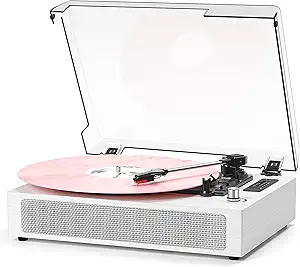
Vinyl Record Player – Detailed Buying Guide & Review
Vinyl record players have seen a strong resurgence as music lovers rediscover the unique audio experience offered by analog sound. Whether you are a first-time listener, a casual music fan, or an audiophile building a dedicated setup, choosing the right vinyl record player can make a significant difference in sound quality, ease of use, and long-term enjoyment.
This article is a complete guide to what a vinyl record player is, how it works, key features to look for, product types, use tips, and important comparison tables to help you select the best option for your needs.
What Is a Vinyl Record Player?
A vinyl record player (also known as a turntable) is a device designed to play vinyl records — physical discs with grooves that encode audio in an analog format. The player uses a stylus (needle) that tracks the grooves and converts the physical vibrations into an electrical audio signal, which is then amplified and played through speakers or headphones.
Vinyl listening is celebrated for its warm, rich sound and tactile experience that many listeners find more engaging than digital formats.
How a Vinyl Record Player Works
A typical vinyl record player consists of the following main components:
- Platter: The rotating platform on which the record sits.
- Tonearm: The arm that holds the cartridge and stylus.
- Stylus (Needle): Reads the grooves of the record.
- Cartridge: Converts vibrations into an electrical signal.
- Drive System: Either belt-drive or direct-drive that keeps the platter rotating at a consistent speed.
- Output: Sends sound to speakers or an amplifier.
When the record spins and the stylus tracks the grooves, the movement is transformed into sound. Proper setup and calibration help ensure accurate playback and minimal wear on both records and stylus.
Types of Vinyl Record Players
Vinyl record players are available in a variety of configurations to suit different needs:
| Turntable Type | Description | Best For |
|---|---|---|
| Entry-Level Turntables | Basic models with simple operation | First-time users |
| Turntables with Built-in Speakers | Integrated speaker system | Casual listeners |
| Bluetooth Turntables | Wireless connectivity to Bluetooth speakers | Modern convenience |
| Audiophile Turntables | Precision components and superior sound | Serious listeners |
| Portable / Retro-Style Players | Compact or nostalgic design | Style-oriented buyers |
Key Features to Consider
Understanding key features will help you choose a player that matches your listening goals:
Drive System
| Drive Type | Characteristics |
|---|---|
| Belt-Drive | Reduces motor vibration and noise |
| Direct-Drive | Stable speed and quick start-up |
Belt-drive systems are preferred for home listening, while direct-drive is often used by DJs.
Speed Formats
A quality turntable should support the following standard record speeds:
| Speed | Record Type |
|---|---|
| 33 1/3 RPM | Standard LP albums |
| 45 RPM | Singles and EPs |
| 78 RPM | Older shellac records |
Check that the turntable supports the formats you plan to play.
Preamp – Built-in or External
A phono preamp is required to amplify the turntable’s output to line-level for speakers. Some players have a built-in preamp, allowing direct connection to powered speakers or a stereo system without extra equipment. Others require an external amplifier or receiver.
Cartridge and Stylus Quality
The cartridge and stylus are critical to playback quality. High-quality cartridges provide more accurate sound reproduction. Some turntables allow cartridge upgrades, offering room for future improvement.
Connectivity Options
| Feature | Function |
|---|---|
| RCA Outputs | Connect to external speakers or stereo systems |
| Bluetooth | Wireless streaming to compatible speakers |
| USB Output | Digitize vinyl to a computer |
| Headphone Jack | Personal listening without external speakers |
Choose connectivity that matches your preferred listening setup and equipment.
Setting Up Your Vinyl Record Player
Proper setup ensures optimal performance and longevity:
- Place on a Stable Surface: Avoid vibrations that can affect playback.
- Connect to Speakers or Amplifier: Use appropriate cables or Bluetooth.
- Balance the Tonearm: Follow manufacturer instructions for tracking force.
- Select the Correct Speed: Match the record’s speed format.
- Lower the Stylus Smoothly: Avoid dropping the needle abruptly.
Careful setup protects both your records and the stylus from premature wear.
Maintenance Tips
To maintain performance and extend the life of your vinyl setup:
- Clean records before playing to reduce dust and static.
- Replace the stylus as recommended by the manufacturer.
- Keep the dust cover closed when not in use.
- Store records upright in a cool, dry environment.
Consistent maintenance preserves sound quality and protects your investment.
Pros and Cons
| Pros | Cons |
|---|---|
| Warm, rich analog sound | Requires setup and occasional calibration |
| Tangible music format with artwork | Records and accessories cost extra |
| Wide range of products for different budgets | Sensitive to dust and handling |
| Potential for future upgrades | Beginners may need learning time |
Price and Value Guide
| Price Range | Typical Features | Ideal For |
|---|---|---|
| Economy Models | Basic playback and optional built-in speakers | Casual listeners |
| Mid-Range Turntables | Better sound, external speaker support | Everyday users |
| High-End Turntables | Premium components and upgrade options | Audiophiles |
This table helps understand what features to expect at different price points.
Choosing the Right Vinyl Record Player
To select the best vinyl record player:
- Define your listening goals (casual vs audiophile).
- Evaluate speaker setup (built-in, wired, Bluetooth).
- Examine connectivity options.
- Consider cartridge quality and upgrade potential.
- Set a realistic budget based on long-term plans.
Choosing a turntable that aligns with your priorities ensures a satisfying listening experience.
Feature Comparison Table
| Feature | Importance |
|---|---|
| Drive System | Affects noise and speed stability |
| Record Format Support | Determines compatibility with various vinyl sizes |
| Preamp | Affects ease of connection to speakers |
| Connectivity Options | Determines system flexibility |
| Cartridge Quality | Influences sound reproduction |
Disclaimer
This article contains general informational content about vinyl record players and does not constitute professional advice. As an Amazon Associate, we may earn from qualifying purchases made through affiliate links in this blog. Product prices, availability, and features may change without notice. Always review product details on the official Amazon product page before making any purchase.