Vinyl record player
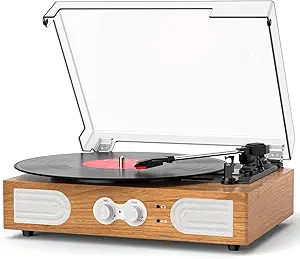
Vinyl Record Player Buying Guide and Recommendations
Vinyl records have made a major comeback in recent years as music lovers rediscover the rich, warm sound that only analog playback can provide. Whether you are a longtime collector or just getting into vinyl for the first time, choosing the right vinyl record player is essential for an enjoyable listening experience.
This guide will walk you through what a vinyl record player is, how it works, the key features to look for, and recommendations based on different needs and budgets.
What Is a Vinyl Record Player?
A vinyl record player, also commonly called a turntable, is a device that plays music from vinyl records. The record spins on a platter while a stylus (needle) traces the grooves on the surface, converting physical vibration into sound. Quality players preserve clarity, reduce distortion, and protect your records from damage.
There are several types of record players available:
- All-in-one units with built-in speakers – ideal for beginners and casual listeners
- Turntables with preamps built in – connect directly to powered speakers
- Hi-fi turntables – for audiophiles with separate amplifiers and speakers
Unlike digital formats, vinyl playback offers an immersive analog sound that many listeners find more natural and dynamic.
How Vinyl Record Players Work
A vinyl record player has several key components:
- Platter – the rotating platform where the record sits
- Tonearm – the arm that holds the stylus and guides it across the record
- Stylus (needle) – tracks the vinyl groove and picks up audio information
- Cartridge – houses the stylus and converts mechanical vibrations into electrical signals
- Preamp/Amplifier – boosts the signal to a level that speakers can use
Some models include Bluetooth, USB recording, or built-in speakers, while others require external audio equipment.
Many models support the three main vinyl speeds: 33 1/3, 45, and 78 RPM for playing different sizes and types of records.
Key Features to Consider Before Buying
Built-In Speakers or Separate System
Entry-level record players often have built-in speakers, so you can start listening right away. This is convenient for casual users. Higher-end turntables usually require external powered speakers which deliver better fidelity and stereo separation.
Drive Type: Belt vs Direct Drive
- Belt-drive systems reduce vibration and provide smoother playback for most home listeners.
- Direct drive players offer stable speed and quick start/stop, preferred by DJs and professionals.
Preamp Included
A built-in preamp lets you connect directly to powered speakers without needing an external amplifier. If a player does not include a preamp, you will need one to hear audio at standard volume levels.
Bluetooth or USB Connectivity
Some modern players can stream playback to Bluetooth speakers or allow you to digitize your vinyl via USB. While Bluetooth offers convenience, wired connections generally provide better sound quality.
Build Quality
A solid platter, stable base, and good tonearm mechanics improve sound performance and longevity. Poor-quality players can cause skipping or even damage your vinyl over time.
Best Uses for a Vinyl Record Player
Vinyl record players are suited for:
- Enjoying music with rich, warm analog sound
- Listening to classic albums and rare pressings
- Home audio setups and hi-fi systems
- Curated music listening sessions rather than background streaming
Many collectors also enjoy the tactile process of handling records, cleaning them, and preserving album artwork.
Record care matters too. Cleaning records with an anti-static brush or vinyl cleaning solution removes dust and improves sound quality. Proper storage (vertically, in sleeves, away from heat) helps prevent warping.
Common Beginner Questions
Do All Records Fit All Players?
Most modern turntables support common sizes like 12-inch and 7-inch records. Some also handle 78 RPM discs, but not all models support every speed or size.
Do I Need Bluetooth?
Bluetooth can be useful for wireless playback on compatible speakers. Keep in mind that Bluetooth compresses audio slightly, so wired connections usually offer the best fidelity.
Are Suitcase Record Players Good?
Portable suitcase-style record players are convenient but often have lower sound quality and weaker components than dedicated turntables. Many serious listeners prefer dedicated players with better tonearms, stable platters, and room for upgrades.
Recommended Vinyl Record Players
Here are some popular options across different use cases:
Beginner and All-in-One Players
- Entry-level record players with built-in speakers and easy setup are great for casual listeners who want instant vinyl playback.
Bluetooth and Portable Options
- Some models include Bluetooth, USB recording, and portable suitcase designs for flexibility and modern convenience.
Classic and Hi-Fi Turntables
- More advanced players without built-in speakers focus on sound quality, requiring separate speakers. Many audiophiles prefer these for deeper listening experiences and upgrade paths.
For example, some highly rated models currently popular with listeners include:
- Audio-Technica turntables praised for reliable performance and sound quality
- Mid-range belt-drive turntables that offer balanced cost and audio fidelity
- Stylish retro units that blend vintage looks with modern features
Community recommendations often highlight Audio-Technica and similar reliable brands as solid choices for beginners seeking both quality and longevity.
Tips for Best Vinyl Playback
To get the most out of your vinyl experience:
- Clean records before playing to reduce pops and static.
- Store records vertically to avoid warping.
- Use proper speakers or amplifiers for the best sound.
- Replace stylus needles regularly to protect your records.
- Avoid cheap portable players if you want long-term listening quality.
Final Thoughts
A vinyl record player is more than just a music device. It’s a gateway to experiencing music the way artists originally intended, with depth and analog warmth that digital formats often lack. Whether you choose a simple all-in-one unit or a high-fidelity turntable setup, understanding the features and options available will help you make the best purchase for your listening needs.