Vinyl record player
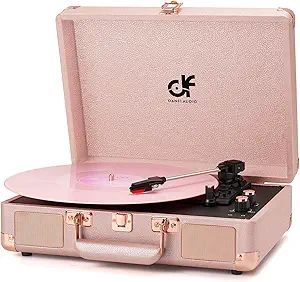
Vinyl Record Player – Complete Buying Guide & Review
Vinyl record players have made a remarkable comeback as one of the most beloved ways to enjoy music. Whether you are a first-time listener, a casual music fan, or a dedicated audiophile, choosing the right vinyl record player can greatly improve your listening experience. This detailed affiliate blog explains what a vinyl record player is, how it works, important features, types of models, setup advice, and comparison tables to help you decide with confidence.
What Is a Vinyl Record Player?
A vinyl record player (also called a turntable) is a device that plays vinyl records. It converts the grooves on analog records into sound through a combination of mechanical and electronic components. Vinyl playback is celebrated for its warm, rich, and natural sound — a quality that many music lovers say digital formats cannot fully replicate.
How a Vinyl Record Player Works
A vinyl record player consists of several key parts:
- Platter: The circular platform that spins the record.
- Tonearm: Holds the cartridge and allows the stylus to track grooves.
- Stylus (Needle): Reads the grooves and generates an audio signal.
- Cartridge: Houses the stylus and converts vibrations into electrical signals.
- Drive System: Mechanism that controls how the platter spins.
- Output Connections: Sends audio to speakers or an amplifier.
When you place a record on the platter and the stylus tracks its grooves, vibrations are produced and turned into electrical signals that become audible music through connected speakers or sound systems.
Why Choose Vinyl Playback?
Vinyl offers several unique benefits:
- Authentic analog sound with warm tones
- Physical, tactile interaction with music
- Large-format album art and liner notes
- Growing cultural and collectible appeal
- Wide range of albums available on vinyl
For many listeners, these qualities create a deeper musical experience than digital files alone.
Types of Vinyl Record Players
Different vinyl players are designed for different needs and listening styles. Understanding these types will help you choose the right one:
| Type | Description | Best For |
|---|---|---|
| Basic Turntables | Simple and affordable models | Beginners |
| Bluetooth Turntables | Wireless audio streaming to Bluetooth speakers | Modern convenience |
| Turntables with Built-In Speakers | Self-contained systems | Casual listening |
| Audiophile-Grade Turntables | High-end sound with premium components | Serious listeners |
| USB Turntables | Digitize records to computer | Archive and digital conversion |
Each type has strengths and suits different listening goals.
Key Features to Consider
When selecting a vinyl record player, consider the following important features:
Drive System
| Drive Type | Characteristics |
|---|---|
| Belt-Drive | Motor isolated from platter to reduce noise |
| Direct-Drive | Motor directly spins platter for stable speed |
Belt-drive systems are preferred for home listening due to lower noise, while direct-drive systems provide consistent speed, useful in professional or DJ applications.
Speed Formats
Most turntables support these standard speeds:
| Speed | Record Type |
|---|---|
| 33 1/3 RPM | LP albums |
| 45 RPM | Singles and EPs |
| 78 RPM | Older shellac records (supported on select models) |
Ensure the record player you choose supports the speeds used in your vinyl collection.
Cartridge and Stylus
The quality of the cartridge and stylus affects sound clarity and tracking accuracy. Higher-quality components typically produce clearer sound and better frequency response. Some models allow cartridge upgrades for future enhancement.
Connectivity Options
| Connection | Use |
|---|---|
| RCA Outputs | Wired connection to speakers or amplifiers |
| Bluetooth | Wireless streaming to compatible speakers |
| USB Output | Digitize record audio to a computer |
| Headphone Jack | Private listening without external speakers |
Choose based on your preferred setup and available equipment.
Setup and Use
To get the best performance from a vinyl record player:
- Place on a Stable Surface: Avoid vibrations that affect playback.
- Connect to Speakers or Receiver: Use cables or Bluetooth as appropriate.
- Balance the Tonearm: Follow manufacturer instructions for correct tracking force.
- Select the Correct Speed: Match the record’s RPM.
- Lower the Stylus Gently: Avoid abrupt drops to protect your records.
Proper setup ensures optimal sound and preserves both records and stylus life.
Maintenance Tips
- Clean records before each play to reduce dust and wear
- Replace the stylus periodically as recommended
- Keep the dust cover closed when not in use
- Store records upright in a cool, dry place
These steps will keep your vinyl collection and record player in great condition.
Pros and Cons
| Pros | Cons |
|---|---|
| Authentic analog sound | Requires regular setup and care |
| Engaging listening experience | Records and accessories add ongoing costs |
| Many styles and price points | Sensitive to dust and handling |
| Potential for future upgrades | Learning curve for optimal setup |
Price Guide and Value
| Price Range | Typical Features | Best For |
|---|---|---|
| Budget Models | Basic belts or built-in speakers | Casual users |
| Mid-Range Turntables | Better build and connectivity | Everyday listeners |
| **High-End Audiophile | Premium components and upgrade options | Dedicated collectors |
Choosing a model that fits both your listening style and budget ensures a satisfying purchase.
How to Choose the Right Vinyl Record Player
To select the best vinyl record player, consider:
- Your main use (casual listening vs serious playback)
- Speaker setup (built-in vs external)
- Connectivity needs (Bluetooth, USB, etc.)
- Record formats you plan to play
- Budget for initial purchase and future upgrades
This ensures that the player you choose aligns with your expectations and space.
Feature Comparison Table
| Feature | Why It Matters |
|---|---|
| Drive System | Affects speed accuracy and noise |
| Supported Speeds | Determines record compatibility |
| Connectivity Options | Affects device and speaker integration |
| Cartridge & Stylus Quality | Influences sound clarity |
| Build Quality & Materials | Impacts longevity and performance |
Disclaimer
This article contains general informational content about vinyl record players and does not constitute professional advice. As an Amazon Associate, we may earn from qualifying purchases made through affiliate links included in this blog. Product prices, features, and availability may change without prior notice. Always review product details on the official Amazon product page before making a purchase.