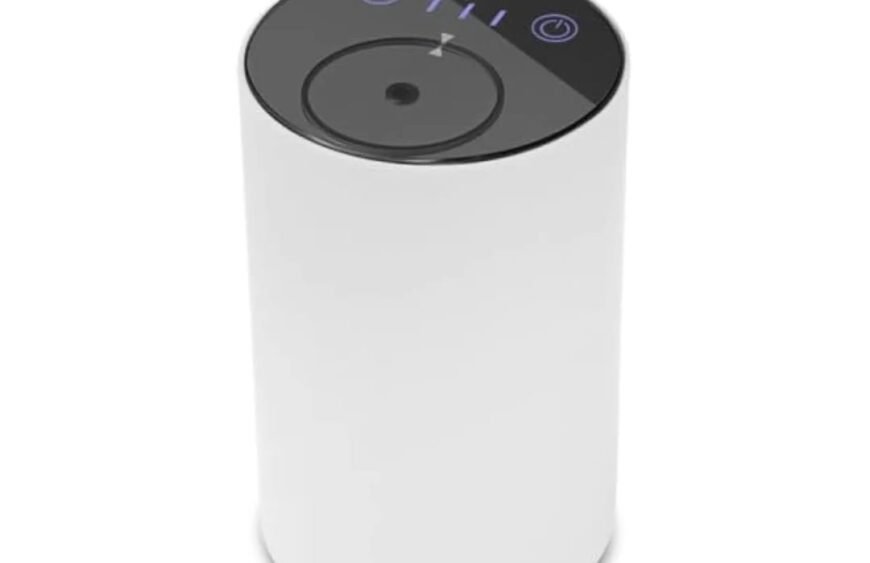
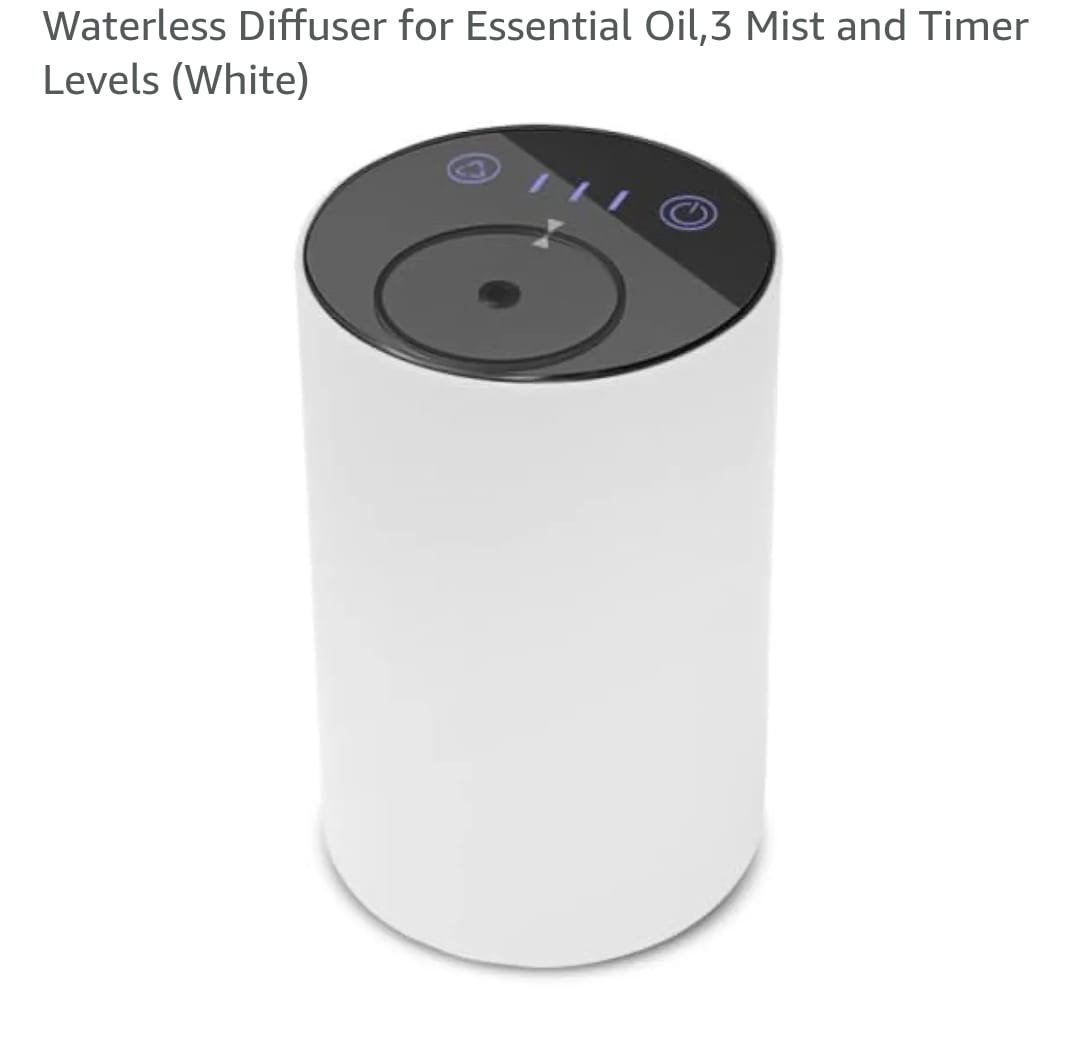
Waterless Diffuser for Essential Oils — What It Is and Why It’s Great
A waterless diffuser for essential oils is a type of aromatic diffuser that disperses pure essential oil into the air without mixing it with water. Unlike traditional ultrasonic diffusers that use water as a medium, waterless diffusers often use heat, nebulizing technology, or air pressure to break oil into micro‑particles and distribute them throughout a room.
These devices are ideal if you want stronger fragrance, pure oil diffusion, and more effective aromatherapy benefits without dilution.
How a Waterless Diffuser Works
There are several common technologies used in waterless diffusers:
1. Nebulizing Diffusers
Nebulizing diffusers use air pressure to atomize essential oil into tiny particles, releasing them directly into the air in a pure, concentrated mist.
- No water or heat used
- Strongest scent and therapeutic intensity
- Great for large rooms or high‑impact aroma
2. Heat Diffusers
These use gentle heat to evaporate oil from a reservoir or pad into the air.
- Quiet and simple
- Diffusion strength varies with heat level
- Not as intense as nebulizing, but still waterless
3. Evaporative Diffusers
A fan blows air through a pad or cartridge that has essential oil on it, allowing the oil to evaporate into the air naturally.
- Lightweight and portable
- Moderate scent output
- Works well for small areas
All three types avoid using water, which means the scent is stronger and undiluted compared with ultrasonic diffusers.
Benefits of Waterless Diffusers
Pure Aroma Experience
You get the full potency of essential oils without water dilution, so the scent fills the space more effectively and quickly.
No Cleaning of Water Tanks
Waterless diffusers don’t have reservoirs that need frequent draining or cleaning, which many users find easier to maintain.
Stronger Therapeutic Effects
For aromatherapy practices — such as stress relief, focus enhancement, or sleep support — the concentrated mist can be more effective at delivering benefits.
Versatile Placement
They’re often compact and portable, so you can use them in living rooms, bedrooms, offices, yoga spaces, or meditation areas.
No Risk of Mineral Buildup
Since there’s no water, you don’t get mineral deposits or mold growth in a tank — a common issue with ultrasonic diffusers.
Where to Use a Waterless Essential Oil Diffuser
Waterless diffusers are suitable in many spaces:
- Living rooms and common areas — for welcoming fragrance
- Bedrooms — to support restful sleep with calming essential oils
- Workspaces — to encourage focus or reduce stress
- Yoga studios or meditation spaces — for a calm, centered environment
- Bathrooms and closets — to quickly freshen spaces
Because the scent is strong, waterless diffusers are especially good in spaces where you want noticeable aroma without having to run the device continuously.
Tips for Using a Waterless Diffuser
1. Use High‑Quality Essential Oils
Pure, therapeutic‑grade oils provide the best aroma and potential benefits. Avoid synthetic fragrances if you’re diffusing for wellness purposes.
2. Start with Short Sessions
Because diffusion is concentrated, start with 10–20 minutes and see how your space responds before longer use.
3. Ventilate If Needed
In small or enclosed spaces, open a window briefly after diffusing just to balance air quality.
4. Clean Regularly
While waterless models don’t have tanks, you should wipe any oil residue from the diffuser’s components as recommended by the manufacturer.
5. Pair Oils Thoughtfully
Some blends (like lavender with bergamot) can be calming, while others (like peppermint with lemon) can be uplifting. Always keep safety in mind and avoid oils that may be irritating if you have sensitivities or health conditions.
How to Choose a Waterless Diffuser
When selecting a waterless diffuser, consider:
Diffusion Technology:
- Nebulizing models are best for maximum scent dispersion and therapeutic effects.
- Heat or evaporative units are lighter, quieter, and simpler for everyday use.
Coverage Area:
Look at the manufacturer’s recommended room size — larger living areas may need a more powerful diffuser.
Noise Level:
Some air‑pressure nebulizers make a slight sound, while heat and fan models are usually quieter.
Size & Design:
Compact units are easier to place around the home; decorative designs can complement decor.
Ease of Maintenance:
Check how easy it is to access internal parts for wiping oil residue.
Everyday Use Examples
Morning Routine:
Diffuse citrus or mint essential oils for an energizing start to the day.
Productivity Focus:
Use rosemary or peppermint during work sessions to promote alertness.
Relaxing Evenings:
Diffusing lavender or chamomile before bed can create a calming atmosphere.
Hosting Guests:
A strong, pleasant aroma from a waterless diffuser makes shared spaces feel inviting.
Final Thoughts
A waterless diffuser for essential oils is a powerful, convenient way to enjoy the full scent and potential benefits of essential oils without water dilution. Whether you use it for aromatherapy, home fragrance, or everyday mood support, this type of diffuser offers strong aroma, easy maintenance, and flexible use across rooms and routines.
If you want, I can help you compare different waterless diffuser technologies (nebulizing vs heat vs evaporative) based on your space size and how you plan to use it. Just tell me your priorities!