Waterproof Hiking Boots
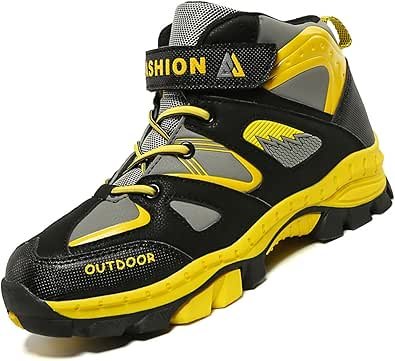
Waterproof Hiking Boots — Durable, Comfortable Footwear for All Trails
Waterproof hiking boots are essential footwear for outdoor enthusiasts who explore trails, mountains, forests, or wet terrain. Designed to keep feet dry and supported, these boots combine waterproof materials, rugged soles, ankle support, and long‑lasting construction to handle a variety of outdoor environments. Whether you’re hiking muddy paths, crossing streams, or walking in rain, waterproof hiking boots help ensure comfort, stability, and protection on every adventure.
This blog explains what waterproof hiking boots are, how they work, key benefits, what to look for, and tips for making them last.
What Are Waterproof Hiking Boots?
Waterproof hiking boots are outdoor shoes built with materials and construction techniques that prevent water from entering the boot while still allowing moisture (sweat) to escape. This keeps your feet dry, warm, and comfortable, which is especially important on long hikes or in wet conditions.
These boots typically use technologies like:
- Waterproof membranes (e.g., Gore‑Tex, eVent)
- Sealed seams and gusseted tongues
- Water‑resistant uppers (leather, synthetic)
This combination creates a barrier against water while helping manage internal moisture.
How Waterproofing Works
Waterproof hiking boots use a combination of design and material:
- Waterproof Membrane
A thin breathable layer inside the boot blocks water from entering but lets vapor escape. - Sealed Seams
Stitching is sealed so water can’t seep through needle holes. - Gusseted Tongue
The tongue is connected to the boots’ sides to keep water out. - Water‑Resistant Uppers
Materials like treated leather or high‑performance synthetics repel water.
Together, these elements keep feet dry without making the boot hot or clammy.
Key Benefits of Waterproof Hiking Boots
| Benefit | Why It Matters |
|---|---|
| Keeps Feet Dry | Essential for comfort and blister prevention |
| Improves Traction | Durable outsoles grip wet and uneven terrain |
| Ankle Support | Reduces risk of sprains on uneven trails |
| All‑Weather Use | Great for rainy, muddy, snowy conditions |
| Durable Construction | Built to handle harsh outdoor environments |
What to Look For in Waterproof Hiking Boots
1. Fit and Comfort
A good hike begins with a proper fit. Look for boots with comfortable toe room, secure heel fit, and support around the arch.
2. Waterproof Membrane
Choose boots with a trusted waterproof liner such as Gore‑Tex or similar tech for reliable water protection and breathability.
3. Material
- Leather: Excellent durability and water resistance
- Synthetic: Lighter weight, quicker drying
- Combination: Balanced performance and durability
4. Sole and Traction
Deep, multi‑directional lugs provide grip on slippery and uneven terrain. A sturdy rubber outsole helps with stability and longevity.
5. Weight
Lightweight boots reduce fatigue over long hikes, while heavier boots offer more rugged durability — choose based on terrain and trip length.
6. Cushioning and Support
Good midsoles (EVA or PU foam) absorb shock and provide comfort on rocky trails.
How to Choose the Right Pair
- For day hikes and light trails, choose lightweight waterproof boots
- For backpacking or rough terrain, choose sturdier boots with ankle support
- For multi‑day hikes, consider boots with durable midsoles and enhanced support
- For wet, muddy, or snowy conditions, waterproofing and aggressive tread are key
Fit boots with hiking socks and test walk in store or at home before long trips.
Everyday Use and Care Tips
Break Them In
Wear boots around the house or on short walks before a long hike for comfortable performance.
Waterproof Treatment
Even waterproof boots may benefit from occasional application of water‑repellent sprays or wax (depending on material).
Keep Clean
Rinse mud and debris after hikes; use a brush for stubborn dirt.
Dry Properly
Air‑dry at room temperature; avoid direct heat (heater or fire) which can dry leather and damage materials.
Check Soles and Seams
Inspect for wear and tear to keep them performance‑ready.
Everyday Scenarios
- Rainy Day Hikes: Stay dry and confident in soggy conditions
- Stream Crossings: Waterproofing prevents water seepage while crossing shallow water
- Cold Weather Trekking: Dry feet help retain warmth and reduce cold discomfort
- Mountain Trails: Rugged soles offer grip on rock, dirt, and roots
- Urban Commute on Rainy Days: Comfortable and dry on city sidewalks too
Final Summary
Waterproof hiking boots are a versatile, durable, and essential piece of gear for outdoor adventurers. Their combination of waterproof membranes, supportive design, and rugged outsoles provides comfort and protection on wet, uneven, and challenging terrain. Whether you’re taking a short trail walk or planning a multi‑day trek, choosing the right waterproof boots helps ensure dry feet, better traction, and a more enjoyable outdoor experience.
Affiliate Disclaimer
This blog contains affiliate links. If you click and make a purchase through these links, we may earn a small commission at no extra cost to you. We recommend products that offer quality, performance, and value for readers.